
With its majestic reliefs, secret valleys, waterfalls, lakes, and deep forests, Auvergne-Rhône-Alpes embodies better than anywhere else the call of nature and the promise of varied landscapes. Trekking the region’s trails means diving into an ecosystem of rare richness, where escape meets physical challenge. But this adventure also requires constant vigilance: safety above all. Hiking in the mountains requires thorough preparation, knowledge of risks – from sudden changes in weather to surprises from wildlife or flora – and adopting the right gestures to protect oneself. In 2026, as enthusiasm for outdoor activities continues to grow, prevention becomes central to new practices, through increased awareness and recommendations aimed both at beginners and seasoned hikers eager to discover spectacular panoramas, sometimes off the beaten path. Between local initiatives, sporting events, and equipment innovations, hiking is enriched, provided one always keeps a fundamental principle in mind: anticipating danger guarantees pleasure.
Hiking safety: discovering the natural diversity of the Auvergne-Rhône-Alpes region and its benefits
The varied landscapes and their appeal for safe hiking
France ranks among the most attractive terrains for hiking, and the Auvergne-Rhône-Alpes region is a shining example. Hiking here means roaming volcanic high plateaus, crossing wooded trails around Lake Geneva, admiring the Mont Blanc range, or venturing to spectacular suspended footbridges, such as those featured in this family itinerary. Each trail offers a different experience and invites exploration, from family circuits to the most technical loops. Local communities multiply events, providing opportunities to feel the sporting excitement, as with the Annecy marathon which attracts walkers and runners every year. However, this diversity requires carefully choosing your route and preparing methodically, as the variety of environments also holds unpredictable challenges not to be underestimated.
Physical and mental benefits of hiking in the great outdoors
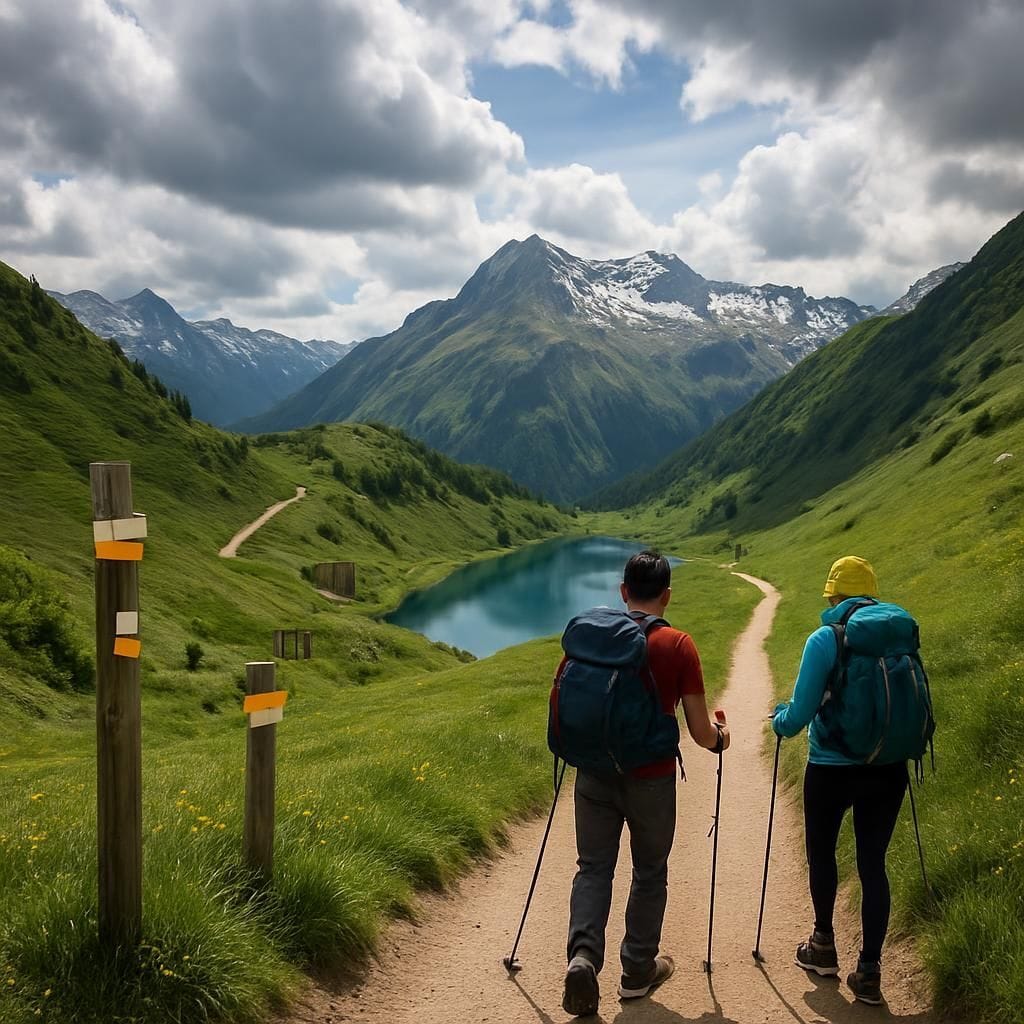
Walking at altitude, crossing forests, pausing by a clear stream, or ascending a summit… These experiences bring many benefits. Physically, hiking builds endurance, works the heart and muscles, and promotes balance. Over the kilometers, it also helps to reconnect with oneself, reducing stress and anxiety—a fact confirmed by numerous studies in 2026 on the virtues of returning to nature. Haute-Savoie, in particular, attracts varied profiles, as discussed in a dedicated article about this new population of hikers. Thus, the modern walker seeks both performance and relaxation, but cannot do so without integrating safety as an ally of their well-being.
Why incorporate safety right from your hiking preparation
When setting off on an unknown path, ignoring the importance of safety exposes you to sometimes serious accidents, even on so-called easy hikes. Planning is primarily about guaranteeing a serene and pleasant experience for the group or yourself. For example, take Camille’s case, a Tour du Mont-Blanc enthusiast: thanks to careful preparation and respecting simple rules – checking the weather, up-to-date map, first aid kit –, she was able to face a sudden fog on the ridge with full control. This sense of anticipation makes all the difference between an unforgettable memory and an adventure that could have gone wrong. This principle applies for every season and practice, as recalled by the growing popularity of the major hikes of Chamonix.
Main hiking risks: understanding to better prevent
Climatic and geographical dangers in mountain environments
One of the major traps in the Alps lies in the rapidity of weather changes. It is not uncommon for bright sunshine to give way to a sudden storm. The Mont Blanc range or the Mer de Glace are emblematic examples, where drops in temperature, strong wind, and showers can occur at any time (visit this page for an overview). Hypothermia threatens at altitude, while sunstroke lurks at valley bottoms, hence the importance of regularly checking the weather. Soils become slippery under rain or frost; snowfields and scree demand absolute caution. On this subject, knowing the approach to take when crossing a snowfield is essential, as detailed in this practical advice.
Consequences of insufficient preparation and inadequate equipment
Neglecting the preparation of your hike can have dramatic consequences. Extreme fatigue, dehydration, injuries, or disorientation creep in from the first mistakes. Too light equipment leads to shivering in case of cooling, or sunburn and heatstroke during hot spells. Forgetting provisions, charging ahead blindly without noticing warning signs, neglecting one’s physical level: all these errors, often committed from overconfidence or lack of knowledge, are among the main causes of accidents recorded by the region’s rescue services during various hikes. In some cases, even the absence of a light or whistle prolongs the wait for help.
Risks related to local fauna and flora: insects, animals, and plants
In forests or wetlands, biodiversity is fascinating, but beware of ticks, bees, vipers, mosquitoes, horseflies, or stinging plants. Bites and stings are not myths: a simple stop on tall grass or hasty picking of misidentified mushrooms can prove dangerous. Several Haute-Savoie reserves remind us of the importance of respecting wildlife and never approaching wild animals, both for species preservation and personal safety. A site like Explore nature in autumn clearly illustrates the seasonal evolution of envenomations and potential allergies.
Essential preparation measures for a safe hike
Plan a route suited to your physical abilities
Adapting your outing to your level is fundamental. To avoid overestimating, analyze the distance, elevation gain, access and fallback points. Consider breaks, as well as the possibility of shortening the route if needed. Several sites now offer interactive calculators allowing the crossing of topographical data and personal capacities, such as those found in the best Chamonix hikes. Family or sporting walks, depending on the season and events (such as Rock the pistes), require precise adjustments.
Use a map and compass in addition to GPS
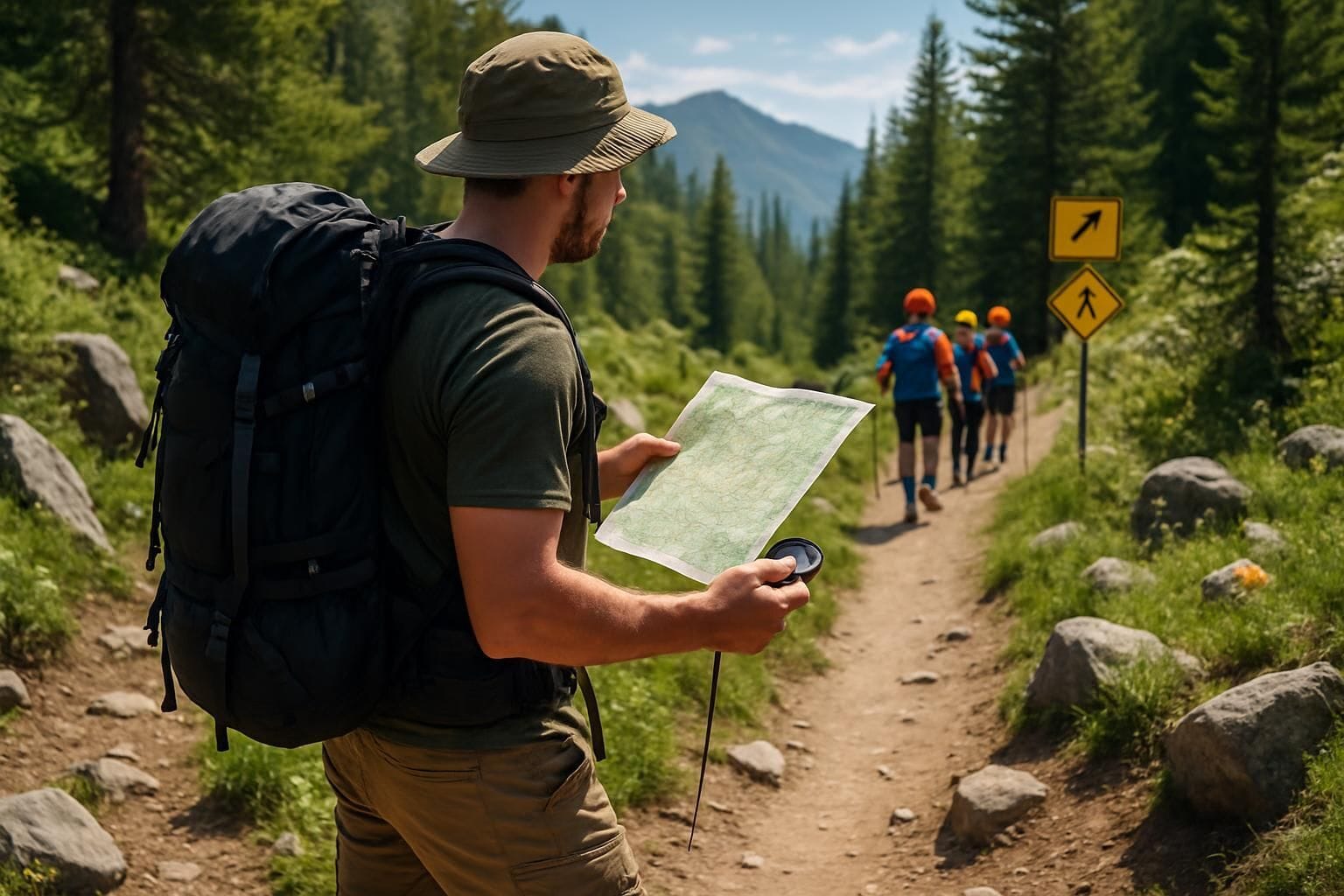
Nothing replaces the reliability of a paper map and compass, to be used alongside a GPS, which sometimes becomes useless without network coverage. Learning to read relief, orient oneself in forests or mountains offers reassuring autonomy, especially during tricky sections, sudden fog, or loss of marked trail. Orientation workshops are highly recommended to master these tools, far from outdated despite technological hazards.
Stay on marked trails to avoid getting lost
Marked trails are designed to limit risks. Straying exposes you to disorientation or even dangerous areas (rockfalls, cliffs, unsecured pastures). Haute-Savoie has many perfectly identified circuits; using these routes avoids many traps while preserving sensitive flora. You’ll find the recommended equipment list for a successful day in guides like these: hiking checklist.
Choose appropriate equipment to protect yourself effectively
Proper equipment is an investment in your safety. Choose clothing suited to weather fluctuations: layer up, favor breathable materials. Accessories such as hats, visors, gloves, or sunglasses with a high UV index become essential regardless of the season or altitude. Bright or reflective colors increase your visibility in low light situations, in forests or morning mist.
Layered clothing and sun protection accessories
Layering three layers: thermal (close to the body), insulating (fleece), protective (windbreaker or waterproof) ensures maximum comfort. Additionally, think of sunscreen, lip balm, wide-brimmed hat, and sunglasses to prevent any skin or eye incidents. This principle also applies to feet: high shoes provide stability and prevent sprains or bites.
Essential gear: first aid kit, lamp, whistle, and more
A must for every hiker: the first aid kit, updated every six months. Don’t forget a headlamp, whistle, multitool knife, spare clothing, survival blanket: all light items that can make a difference in case of incident. Here is a table summarizing the typical contents of a backpack:
Equipment | Use |
|---|---|
Rain gear | Protection against damp and cold |
Map and compass | Reliable orientation, independent of battery |
Walking poles | Stability and fatigue reduction |
First aid kit | Immediate care in case of injury or malaise |
Water and energy snacks | Maintain hydration and energy intake |
Whistle and survival blanket | Emergency signaling, heat retention |
Manage nutrition, hydration, and effort to maintain alertness
Effort management starts at breakfast: avoid heavy foods and favor slow-releasing sugars and proteins. During the walk, drink regularly (minimum 1.5 to 2 liters of water per day) as dehydration acts insidiously, weakening concentration. Prefer several energy snacks spread over the outing: cereal bars, compotes, dried fruits. Moderate pace, frequent breaks, and use of poles drastically reduce accident risks induced by fatigue (hydration remains the keyword). Keeping a pace suitable for all group members strengthens cohesion and overall expedition safety.
Vigilance towards fauna and flora: gestures and precautions to avoid accidents
Preventing bites and stings: targeted advice for each threat
To protect yourself effectively, adopt simple but proven strategies: wear light-colored pants to detect ticks quickly, remove any tick without delay using a tick remover, disinfect thoroughly. In case of bee sting, remove the stinger using a rigid card, apply cold and monitor any allergic signs. Vipers generally flee at noise: avoid walking in thick grass and never handle snakes. Mosquito and horsefly bites can be prevented by regularly applying suitable repellents. As for mushroom picking, only take those whose identity is certain, and ask a mycologist for advice if necessary.
Apply a suitable repellent on clothing and exposed skin before leaving.
Beware of wild roses or nettles on trail edges, frequent causes of skin irritation.
Consult a professional in case of a bite or intense allergic reaction without delay.
Adopt good behaviors in case of incident with fauna or flora
Calmness is your best ally: in case of snakebite, immobilize the area, call for help, and keep the victim at rest. Facing multiple wasp or bee stings, especially in children, do not hesitate to seek medical help quickly. For irritations due to plants, rinse abundantly with clear water and monitor developments in the following hours. Last summer’s report shows that more than half of interventions are linked to inappropriate gestures after the first alert.
The importance of prevention for a hike without unpleasantness
Anticipating is already protecting yourself. Prevention includes prior information, equipment checks, knowledge of first aid gestures, and review of specific risks linked to the season and the visited area. Awareness campaigns led by associations or during events such as weekend activities multiply their messages so that no walk becomes a source of trauma or regret.
Practical advice for a safe hike until return
Inform a close person of your route and expected return time
Before leaving, always give your detailed route and estimated return time to a trusted person. This simple reflex allows rescue services to be engaged more quickly in case of problems, especially when you move in areas without phone reception, which is common in some Haute-Savoie massifs. Taking five minutes for this information sharing offers precious peace of mind to your loved ones and yourself.
Regular weather monitoring and adjusting outings according to warnings
Check the local weather the day before and just before departure on reliable sites. Mobile applications offering real-time alerts are valuable, especially during day trips or more ambitious attempts like a Tour du Mont-Blanc. Never hesitate to postpone an outing if instability or storm risk is announced – caution always takes precedence over the frustration of a last-minute cancellation.
Respect regulations, vaccinations, and the environment
Complying with regulations is not a trivial matter. The hiking federation updates its memo annually, accessible online and gathering all rules to follow according to contexts. Keep your vaccination record up to date, especially for tetanus, and adapt to local adjustments. Moreover, always stay on marked trails, carry back your waste, and adopt the leave no trace philosophy: preserving the beauty of places means protecting their future and ensuring their openness to future generations.
Federal memo and essential rules to know
The federal memo groups updated obligations and advice, including signage, cohabitation with livestock, and the use of bivouac areas (see golden rules for bivouac). Regular reference prevents unnecessary sanctions and contributes to a serene practice for all, beginners as well as experts.
“Leave no trace” philosophy and waste management
Always carry a plastic bag for your packaging and food leftovers, and leave each site cleaner than when you arrived. Encourage those around you to adopt these simple and responsible gestures: it is everyone’s business so that hiking remains a pleasure without impact on biodiversity, today and tomorrow.
Recommendation | Purpose |
|---|---|
Inform a close person of your route | Facilitate rescue in case of incident |
Monitor the weather evolution | Anticipate dangers and plan changes |
Be up to date with vaccinations | Limit health risks |
Respect nature and others | Preserve sites, share peacefully |
How to choose a route adapted to your abilities ?
Evaluate your endurance level, difficulty (elevation gain, length), and consult official trail descriptions. Prefer marked and tested routes first, and gradually increase difficulty as you gain experience.
What are the essential safety equipments for hiking ?
A backpack containing layered suitable clothing, first aid kit, sufficient water, map, compass, secondary GPS, survival blanket, headlamp, whistle, and energy snacks forms the basis of any safe hike.
What to do in case of sudden weather change in the mountains ?
First step: seek shelter quickly, even temporarily, then adjust your clothing (insulation, waterproofing). Stay together if you are several, contact rescue if necessary, and only resume once conditions are safe again.
How to prevent accidents related to fauna and flora ?
Wear covering clothes, use repellents, regularly check your skin for ticks, learn about the species present in the area, and learn first aid gestures to face a bite or sting.
Do I absolutely have to inform a close person of my route before leaving ?
Yes, this simple gesture allows faster rescue intervention. Specifying your route, expected times, and group composition is an essential recommendation widely promoted by all hiking federations.