
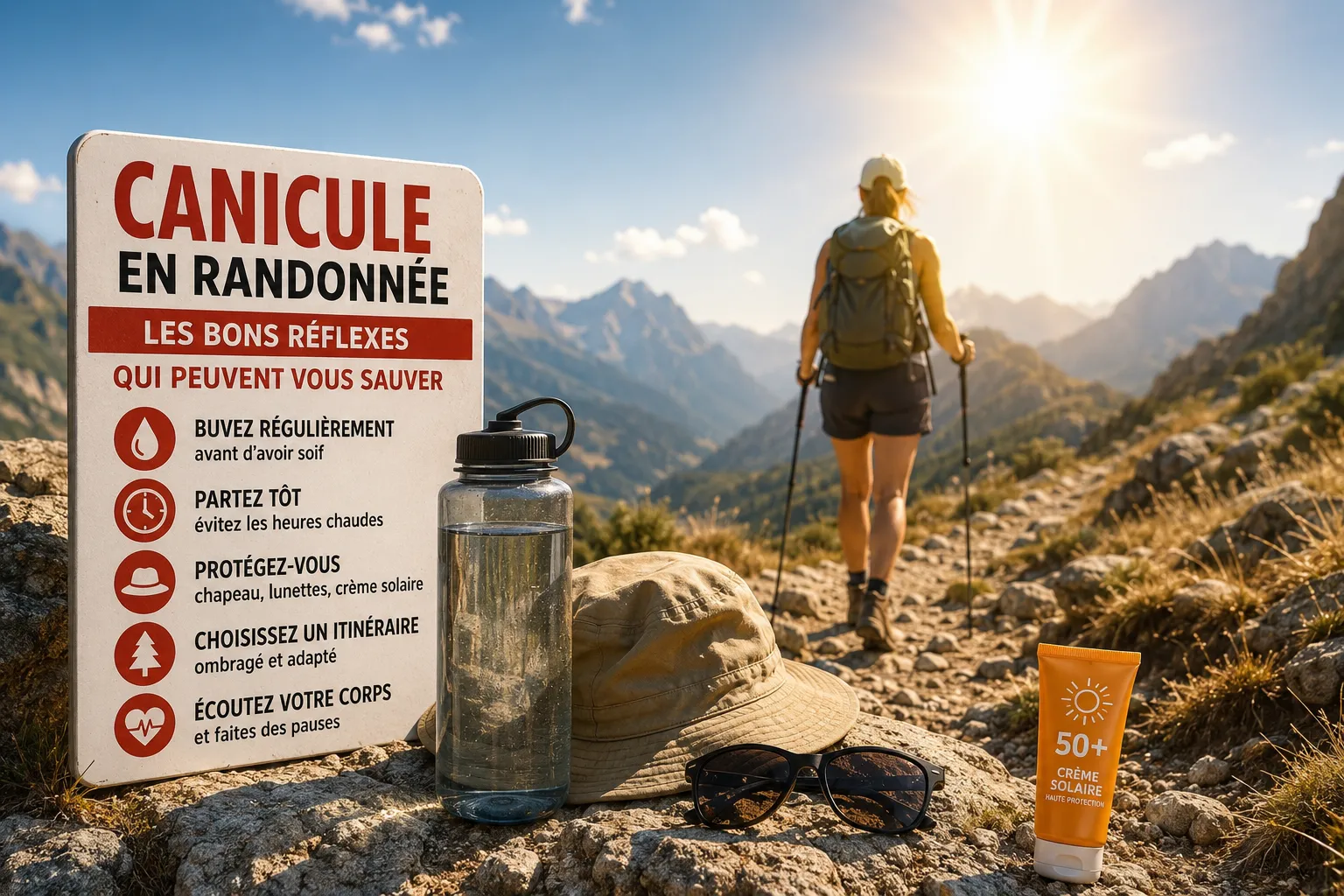
When temperatures rise dramatically, the desire to go hiking does not disappear, quite the opposite. The stifling heat of a heatwave turns a simple walk in nature into a true challenge for the human body. Under a scorching sun, the risks related to dehydration, exhaustion, and heat stroke intensify dangerously. For several years, experts have been warning about the importance of adapting one’s practice and equipment to avoid serious incidents. In 2026, with heatwaves becoming more frequent and intense, vigilance must be at its highest.
Contrary to popular belief, hiking during a heatwave is not simply a matter of physical endurance or willpower. It is a subtle balance between awareness of dangers, methodical preparation, and absolute respect for the signals our body sends. The slightest misstep can have severe consequences, but some targeted, easy-to-apply actions can literally save lives. This cautionary alert concerns both seasoned hikers and beginners, as even a reasoned experience can falter in the face of extreme heat.
Through this article, we will explore in detail why heatwaves multiply the classic dangers of hiking, which preparations are essential before departure, the behaviors to adopt during the walk, and how to react to the first warning signs. The goal is to provide you with the keys to a successful hike, even when the mercury flirts with unprecedented highs. It is not about giving up nature, but about learning to respect it and get the best out of it safely.
Understanding how heatwaves worsen hiking risks: an underestimated danger
Hiking is a physically demanding activity that strongly challenges the body’s adaptive capacities. Normally, our body maintains its temperature around 37°C thanks to complex thermoregulation mechanisms. When effort increases, sweat is produced and evaporates, which cools the skin. However, during a heatwave, this balance is deeply weakened.
With temperatures that can exceed 35°C, sometimes even 40°C in the shade, the body’s ability to dissipate heat is considerably reduced. Sweat evaporates more slowly, especially when the air is already saturated with humidity. Moreover, ambient heat radiates directly on the skin, increasing thermal stress. The heart has to beat faster to pump blood to the skin and dissipate heat, causing premature fatigue.
Under these conditions, the risk of dehydration rises rapidly. Water and mineral salt loss through sweating is no longer effectively compensated if hydration is not optimal. This impairs muscular performance and neurological function, which can quickly lead to exhaustion. The situation becomes critical when the body can no longer cool itself, causing the hiker to fall into heat stroke, a serious medical emergency.
Additionally, heatwaves make recognizing signs of fatigue or malaise more difficult. The effect of heat can be insidious, with sweating masking deep dehydration, or fatigue manifesting as mild confusion. This gradual deterioration can catch one by surprise, especially among less experienced individuals or those with average physical condition.
In the mountains, heatwaves amplify these effects due to altitude where the air is drier but also more radiant. The lack of shade on some trails further increases thermal load. Without adapted vigilance, a hike that seemed ordinary can quickly turn into a nightmare. That is why it is essential to reassess risks as soon as temperatures rise and apply specific precautions to protect the body during the activity.
Essential preventive measures before hiking in extreme heat
Your hike preparation during a heatwave must imperatively include particular measures even before setting foot on the trail. These preventive actions preserve health, improve comfort, and reduce the risk of malaise.
Choose suitable times to limit exposure to heat peaks
During a heatwave, avoiding hiking during the hottest hours is a golden rule. For this, it is advised to start very early in the morning, ideally before 7 a.m. At this time, the temperature is usually milder, and the atmosphere more breathable. Many hikers also enjoy the beauty of the sunrise to enrich their experience.
The end of the day, after 6 p.m., is another possible window. The heat then starts to drop, the light remains sufficient to walk safely, and sensations are less harsh. This schedule is intended to avoid the critical period between 12 p.m. and 4 p.m. when the mercury reaches its maximum.
Choice of clothing: lightness, looseness, and essential protection
Clothing serves a dual function: protecting the skin from UV rays while facilitating thermoregulation. It is necessary to favor light, loose, and light-colored clothes to reflect light and limit heat absorption. Synthetic technical fabrics or natural ones like merino wool are preferable over cotton, which retains sweat and dries slowly.
Wearing a hat or cap with wide brims is essential to protect the head, face, and neck. Good protection on these sensitive areas prevents heatstroke, common among hikers exposed to the sun for prolonged periods. Finally, sunglasses of category 3 or 4 protect the eyes from UV rays and reduce eye fatigue.
Apply effective sun protection: the indispensable sunscreen
Even before leaving the house, generously apply a high-index sunscreen (SPF 50+) on all exposed areas. Do not forget sometimes neglected zones like the ears, back of the neck, and backs of the hands. Renew this application every two hours, especially if you sweat a lot.
Additionally, you can use a multifunctional wet neck gaiter to refresh and protect. This multiple approach ensures a barrier against sunburns that quickly worsen the general condition and increase the risk of heat stroke.
List of preventive actions to take before hiking in a heatwave:
- Plan the outing early in the morning or late in the evening
- Choose loose, light, clear, and technical clothing
- Wear a hat or cap with a wide brim
- Apply SPF 50+ sunscreen before departure and reapply regularly
- Provide sunglasses category 3 or 4
- Add a damp neck gaiter for a refreshing effect
Essential equipment and suitable nutrition to face hiking in high heat
The equipment you bring must be chosen based on the extreme conditions you will face. During a heatwave, packing your bag requires particular attention.
Sufficient water, a sine qua non condition to avoid dehydration
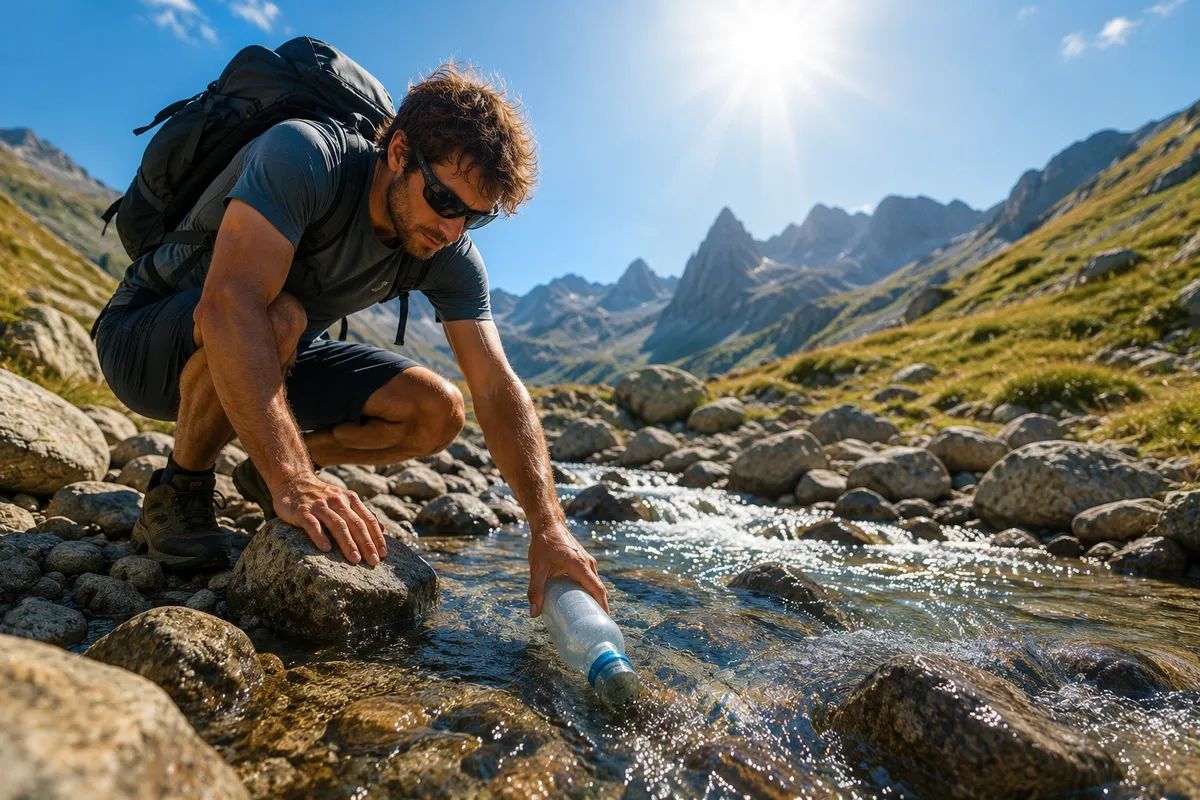
Hydration is the number one pillar during hiking under a heatwave. It is recommended to carry at least 2 liters of water per person, but this amount can easily double depending on the effort intensity and ambient heat. It is better to plan in excess than to run short, especially in the absence of reliable water points on the route.
It is wise to opt for practical containers like flasks or hydration packs which are easier to carry and use regularly. If you come across a source, always have a water purifier (filter straw, portable filter, purifying tablets such as Micropur) to safely refill.
Suitable nutrition: favor water intake and minerals
Sweating leads to a significant loss of essential mineral salts (sodium, potassium, magnesium) that must be compensated. Focus on foods rich in water and easy to digest, such as:
- Fresh fruits or fruit compote
- Dried fruits and nuts (almonds, walnuts, seeds)
- Low-sugar and low-salt energy bars
- Homemade trail mix blends
To maintain mineral balance, you can consume slightly salted water or isotonic drinks specially formulated for hiking. However, avoid heavy or fatty meals that require a lot of energy for digestion.
Communication and safety means
Never leave without a functional means of communication: charged mobile phone, external battery, or even a GPS device with SOS button in isolated areas. Cellular signal may be missing, but having suitable equipment increases your chances to alert rescue teams quickly in case of trouble.
| Equipment | Recommendations | To avoid |
|---|---|---|
| Water reserve | Minimum 2 liters, to increase depending on heat and effort | Bottles too heavy or made of non-recycled plastic |
| Food | Light, rich in water, with mineral salt intake | Fatty, sugary, and heavy foods |
| Communication means | Charged phone, external battery, GPS SOS | Leaving without any means to contact rescue |
Behaviors to adopt during the hike to preserve health under heatwave
Respecting certain actions during the hike is crucial to limit heat-related dangers. Starting with regular hydration, without waiting to feel thirsty. Thirst is a late signal occurring when the body is already dehydrated.
Step by step, the art of breaking up effort in the coolness of shade
Breaking up effort is an effective method to avoid exhaustion. After 5 to 10 minutes of walking, take a short break, 30 seconds to a few minutes. Take advantage of shaded areas for these recovery times. A break every 45 minutes to an hour is ideal to drink and refresh face or forearms by pouring water on them.
It is advised to reduce the usual pace, lengthen strides while breathing calmly. Never engage in a sustained climb without a break. These adjustments allow better energy management and prevent overheating.
Constant monitoring of bodily signals: the first shield against accidents
The body gives alerts from the first moments in the form of dizziness, nausea, unusual fatigue, or headaches. Faced with these symptoms, it is imperative to slow down immediately, or even stop. Ignoring these signals means risking a severe heat stroke.
It is also advised to stay in a group, or at least inform someone of your itinerary so that rescue can be alerted in case of disappearance or accident. Solidarity in hiking during heatwaves is essential for collective safety.
Detecting and reacting to the first signs of heat stroke or heat exhaustion
Heat strokes and heat exhaustion are frequent emergencies during hiking in heatwaves. Knowing how to recognize first signs and first aid rules can save a life.
Symptoms never to ignore
A heat stroke occurs when the body is unable to regulate its temperature and goes into overload. Symptoms include:
- A feeling of great fatigue or intense weakness
- Dizziness, nausea, persistent headaches
- Hot, red, and dry skin (sweating stopped)
- High heart rate and sometimes palpitations
- A state of confusion, agitation, or drowsiness
Heat exhaustion can appear more progressively but requires the same vigilance. Rapid recognition is the first step to prevent worsening of the condition.
Emergency actions to take immediately
At the first alarming signs:
- Find a cool, shaded place to isolate oneself
- Drink small sips of cool water without forcing yourself
- Wet your clothes, face, and arms with water or a refreshing spray
- If you have a damp cloth, place it on the neck and forehead
- Lie down and slightly elevate the legs to promote circulation
- If symptoms persist or worsen, contact emergency services immediately
In case of emergency, do not try to continue walking or wait for symptoms to pass on their own. Rapid intervention guarantees recovery without sequelae.
Behaviors to absolutely avoid
Many hikers make the mistake of waiting to feel thirsty before drinking, increasing their risk of severe dehydration. Likewise, persisting in walking despite great fatigue can cause a sudden physical collapse without possibility of quick rescue.
You must absolutely avoid:
- Sustained efforts during the hottest hours
- Alcoholic or very sugary drinks
- Wearing dark, tight, or non-breathable clothing
- Hiking without proper equipment or an emergency plan
Always respect your body’s limits and adjust your itinerary if necessary. Nature is patient, but your body is not always.
Can you hike during a heatwave?
Yes, but only by strictly respecting precautions to manage heat, notably by choosing cool times, shaded trails, and hydrating regularly.
What are the early signs of heat stroke?
Intense fatigue, dizziness, headaches, hot and dry skin, nausea, confusion. These symptoms require immediate attention and cessation of effort.
How much water should be planned for a day of hiking during a heatwave?
At least 2 liters per person, with the possibility to double the amount depending on the intensity of effort and external heat.
How to protect yourself well from the sun during a hike?
By wearing light and clear clothing, a wide-brimmed hat, sunglasses, and regularly applying SPF 50+ sunscreen.
Which behaviors should be avoided to prevent heat exhaustion?
Do not wait to feel thirsty to hydrate, avoid intense efforts in the middle of the day, and do not ignore signs of fatigue or malaise.