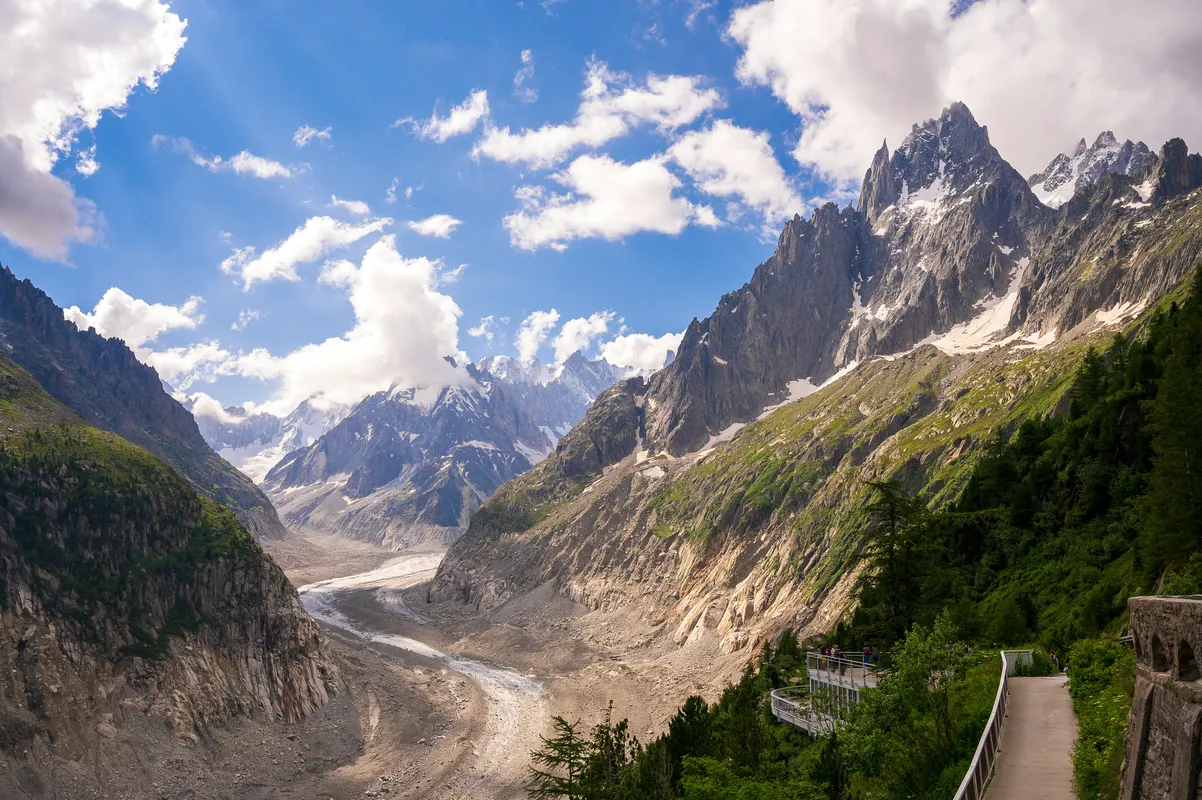
At the heart of the Mont-Blanc massif, the Mer de Glace is one of the most famous natural sites in Chamonix-Mont-Blanc. Accessible thanks to the legendary Montenvers train, this spectacular glacier has attracted travellers, mountaineers, scientists, and mountain lovers for over two centuries.
Between grandiose panorama, historical heritage, and concrete testimony of climate change, the visit to the Mer de Glace and Montenvers remains an unmissable experience in the Chamonix valley.
Where are the Mer de Glace and Montenvers located?
The Mer de Glace is located on the northern slope of the Mont-Blanc massif, above Chamonix.
- Glacier altitude: approximately 1,500 to 2,400 m depending on the area
- Altitude of the Montenvers station: 1,913 m
- Distance from Chamonix center: a few minutes by train
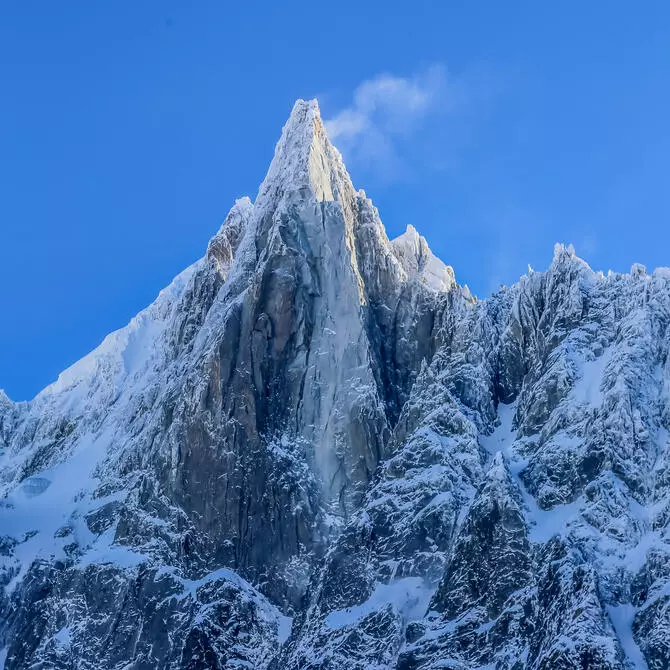
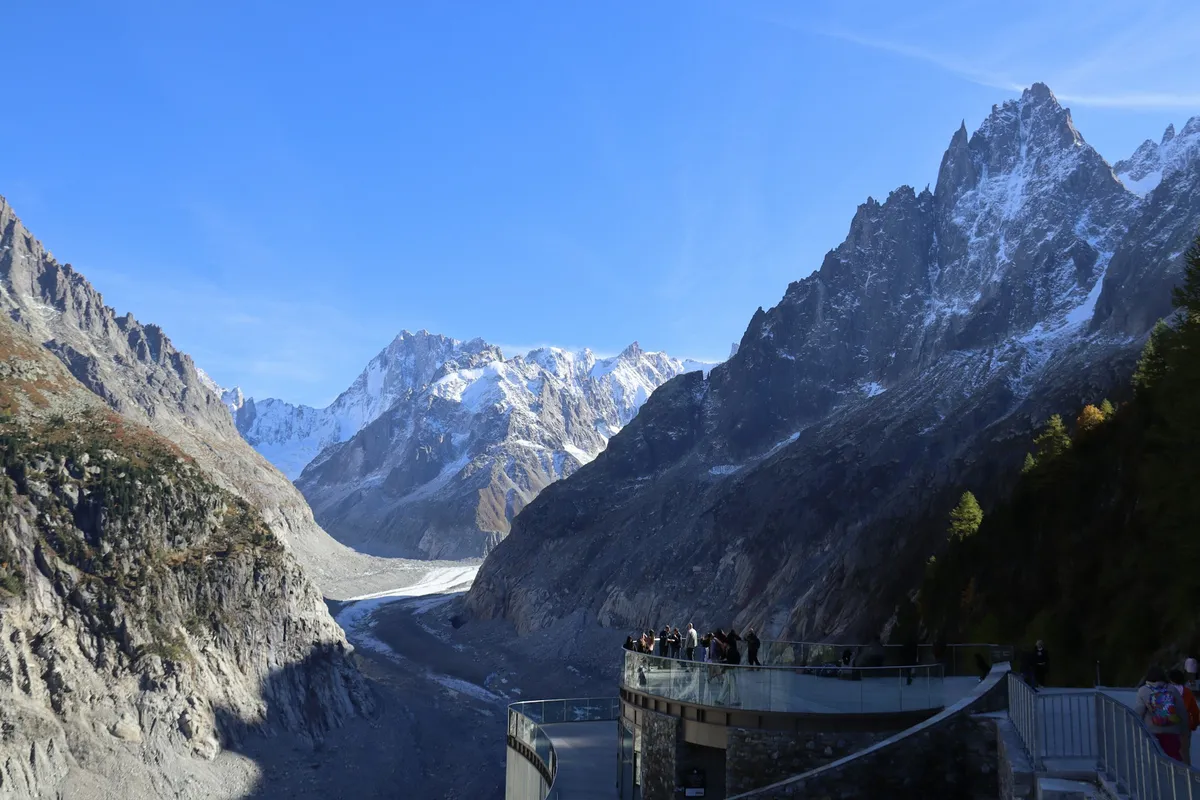
Montenvers is the historic viewpoint offering a spectacular view over the Mer de Glace from above, with an exceptional sight of:
- the Drus
- the Grandes Jorasses
- the Aiguille des Grands Charmoz
- the glacial summits of the Mont-Blanc massif
What is the Mer de Glace?
The Mer de Glace is the largest glacier in metropolitan France. Its name comes from the impressive undulating ice surface that once resembled a frozen sea. Impressive is unfortunately no longer accurate for a few years now, as global warming has taken its toll; the result is rather sad to see!
Key figures
- Length: approximately 7 km
- Surface area: approximately 30 km² (variable depending on the period)
- Historical thickness: up to 200 m in some places
- Origin: confluence of several glaciers of the Mont-Blanc massif
It is fed notably by:
- the Géant glacier
- the Leschaux glacier
- the Tacul glacier
The history of the Mer de Glace
A late discovery
Until the 18th century, glaciers were perceived with fear. The valley inhabitants saw these ice masses as hostile and threatening.
Everything changed in 1741 when British explorers William Windham and Richard Pococke discovered the site and popularized the Chamonix valley. They named this glacier Mer de Glace, impressed by its vastness.
The beginning of Alpine tourism
In the 19th century, Chamonix became a major destination of European romanticism. Aristocrats, scientists, and artists flocked to admire the glaciers. The Mer de Glace then became one of the most famous excursions in the Alps.
Construction of the Montenvers train
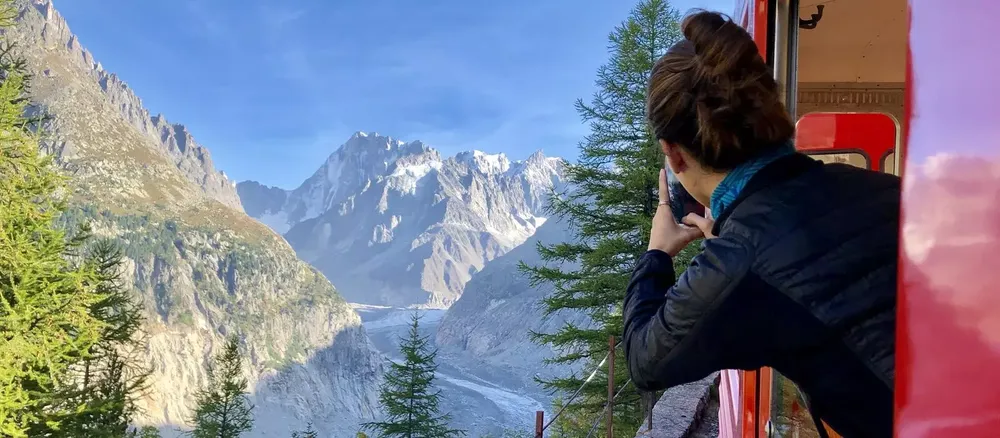
Faced with the growth of tourism, the Montenvers railway was inaugurated in 1908. This cog railway revolutionized access to the site by allowing visitors to easily reach the panorama from Chamonix.
The Montenvers train: a legendary experience
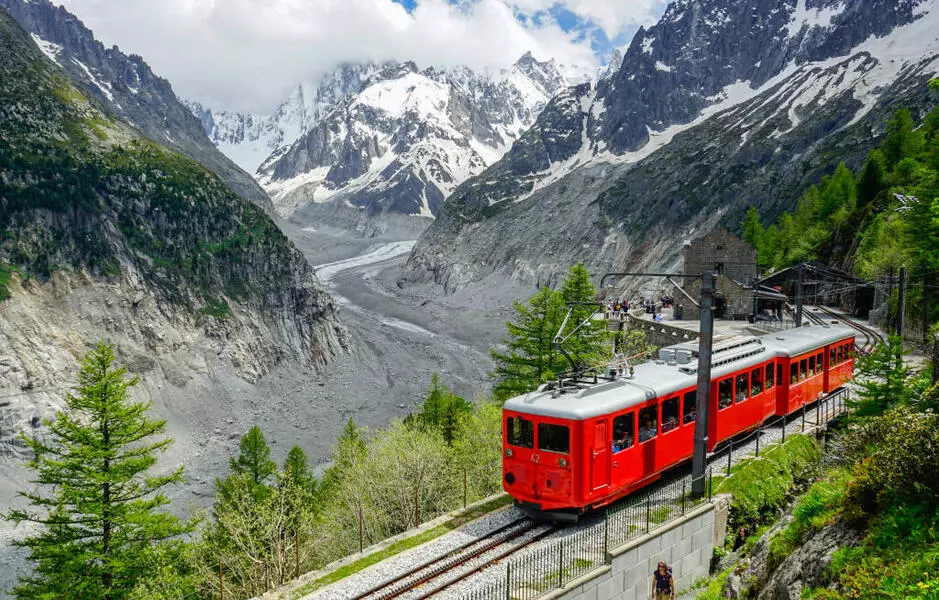
The red Montenvers train is today one of the symbols of Chamonix. You cannot come to the Chamonix valley without seeing this legendary train and, of course, taking it to go up to Montenvers.
Characteristics
- Departure from Chamonix station
- Scenic ascent through forest then higher altitude
- Travel time: about 20 minutes
- Steep incline thanks to the cogwheel system
The trip already offers an attraction in itself, with superb views of the valley and peaks.
What to see at Montenvers?
1. The panorama and the new Cable Car
From the terrace, the view of the Drus and the Grandes Jorasses is breathtaking. To access the glacier, a new panoramic cable car (commissioned at the end of 2023/2024) replaces the old installation. More efficient and better located, it facilitates access to the cave despite the glacier’s retreat.
2. The Ice Cave: a sporting challenge
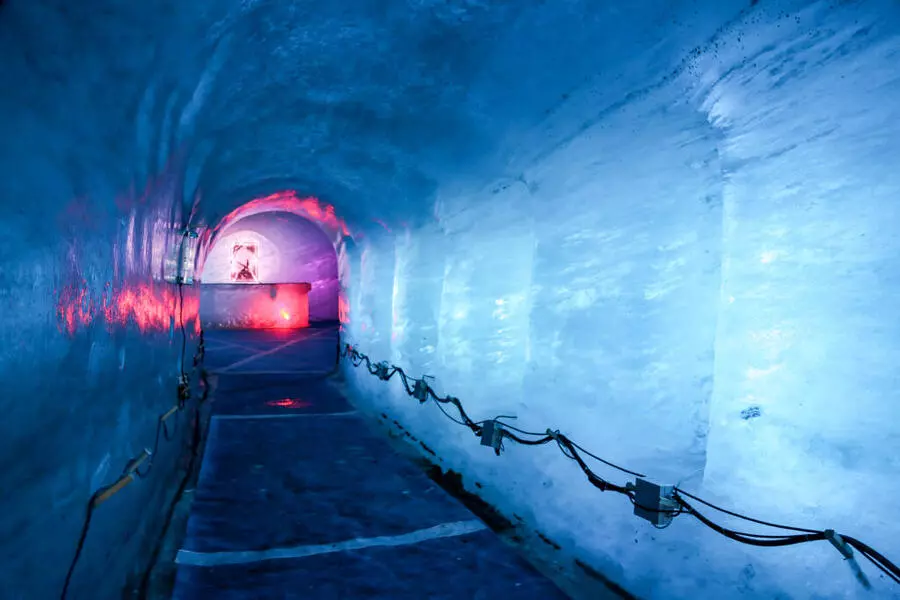
Carved each year into the heart of the glacier, it offers a deep blue journey under the ice.
Warning: Despite the new cable car, final access to the cave requires climbing approximately 580 steps. This descent (and especially the ascent) physically testifies to the glacier’s melting. It is not recommended for people with walking difficulties.
3. The Glaciorium and the new Interpretation Center
Complementing the Glaciorium, the site now hosts modernized museographic spaces. This educational center explains interactively glaciology and the direct impact of climate change on the Mer de Glace.
The spectacular retreat of the glacier
The Mer de Glace has also become one of the visible symbols of global warming.
Since the end of the 19th century:
- the glacier has significantly retreated
- its thickness is regularly decreasing
- the stairs leading to the cave get longer year after year
Signs indicate the former levels of the glacier, which often impress visitors.
The Mer de Glace has become the global emblem of global warming. It is this accelerated retreat that justified the total modernization of the Montenvers site.
- Shocking figure: Since 1850, the glacier has lost about 2 km in length.
- Visual experience: Along the staircase to the cave, chronological markers show the level of the ice in 1990, 2000, or 2010. The void left by the ice is a visual shock for each visitor.
Hikes around Montenvers
The area offers magnificent walks.
Accessible trails
Chamonix → Montenvers on foot
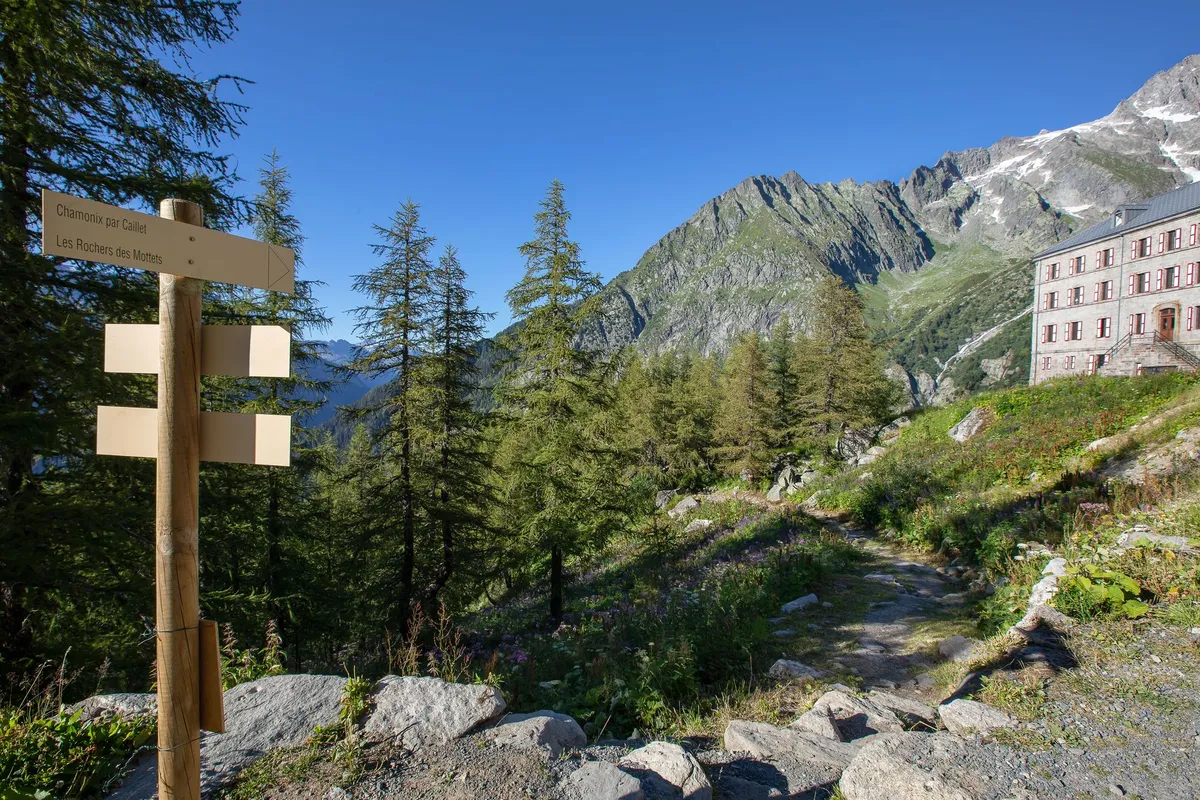
Sporty ascent through forest, ideal for avoiding the train either on the way up or back. Two options allow you to reach Montenvers on foot: the route passing by the Buvette des Caillets or the one using the Buvette des Mottets. These two routes are not accessible in winter (avalanche gullies).
In both cases, the departure is located near the Montenvers station. The trails then cross the Planards area before following a clearly marked path to the arrival.
Count about 5 kilometers of walking with nearly 900 meters of positive elevation gain. Depending on your pace, the ascent generally takes between 2 and 3 hours one way.
Good news: each of the two routes passes near a refreshment hut, ideal for taking a break and having a drink during the climb.
Montenvers → Signal Forbes
Very nice viewpoint over the Mer de Glace. Accessible from the Montenvers site, this unmissable walk in the Chamonix-Mont-Blanc valley is done via a well-marked trail, alternating steep sections and more rugged parts.
The route requires about 1h30 of walking to go up. The hike covers nearly 3.5 km round trip, with an elevation gain of about 310 meters.
Crossing to the Plan de l’Aiguille du Midi from Montenvers
This hike offers a spectacular immersion into the steep reliefs of the valley. Throughout the route, panoramas on the surrounding peaks and the alpine atmosphere make the experience particularly memorable.
From Montenvers – Mer de Glace, the trail follows a well-marked path over about 6 kilometers. The route has nearly 200 meters of elevation gain and generally takes between 2h30 and 3h of walking.
Upon arrival at the Plan de l’Aiguille, take time to enjoy the panorama, take some photos, or allow yourself a break at the refreshment hut. To extend the adventure, it is possible to take the cable car to the Aiguille du Midi, famous for its exceptional 360° view over the Alps.
To return down to Chamonix-Mont-Blanc, the cable car remains the most comfortable option. It is recommended to book in advance, as walking down is long and rather for experienced walkers.
Practical information for visiting the Mer de Glace and Montenvers
Access
From Chamonix-Mont-Blanc:
- on foot up to Montenvers station
- cog railway from downtown
- parking nearby depending on season
Ideal period
Summer (June to September)
- best accessibility
- trails open
- more stable weather
Autumn
- beautiful colors
- fewer visitors
Winter
- magical snowy atmosphere
- access variable depending on conditions
Recommended visit duration
Count on:
- minimum 2 h for train + panorama
- 3 to 4 h with ice cave and museum
- full day with hiking
Useful tips
- bring a warm jacket even in summer
- good shoes essential
- book tickets in high season
- arrive early to avoid crowds
- check weather and opening before departure
Why visit the Mer de Glace?
Because it is a rare place where combine:
- exceptional natural beauty
- great Alpine history
- emblematic railway heritage
- concrete observation of climate changes
- total immersion in high mountains without being a mountaineer
Prepare your visit to Montenvers (2026 Edition)
Hours and attendance
The Montenvers train operates year-round (except annual closure for maintenance in autumn).
- First departure: Usually around 8:30 or 9:00 AM.
- Frequency: One train every 20 to 30 minutes depending on the crowd.
- Expert tip: In summer, aim for trains before 10:00 AM to enjoy the ice cave before the groups arrive.
“Pass Montenvers” 2026 prices
Prices vary by season. The ticket includes round trip by train, the new cable car, access to the cave and museums (Glaciorium).
| Ticket type | Indicative price 2026 (Round Trip) |
| Adult (15-64 years) | approx. €38.00 to €41.00 |
| Child / Senior | approx. €32.50 to €35.00 |
| Family package | approx. €120.00 (2 adults + 2 children) |
Budget tip: If you plan to also visit the Aiguille du Midi the same day, opt for the Mont-Blanc Multi-Pass. It pays off already after two major excursions.
Accessibility and Safety
- Equipment: Even if it is 25°C in Chamonix, the temperature inside the ice cave stays close to 0°C. A jacket is essential.
- Dogs: Our canine friends are allowed on the train (leashed), but access to the cave via the metal stairs is very difficult, even impossible for them.
- Booking: Highly recommended online on the official website of the Compagnie du Mont-Blanc to avoid queues at the ticket offices => Online booking
In conclusion
The Mer de Glace and Montenvers represent one of the most beautiful excursions in France. In a few minutes from Chamonix, you go from the city center to a spectacular glacial universe dominated by the highest peaks of the Alps.
Whether you come for the first time or already know the valley, the spectacle remains breathtaking.
Last update: April 17, 2026
Photo credits: photos by Jeroen Roegist, Shalev Cohen on Unsplash