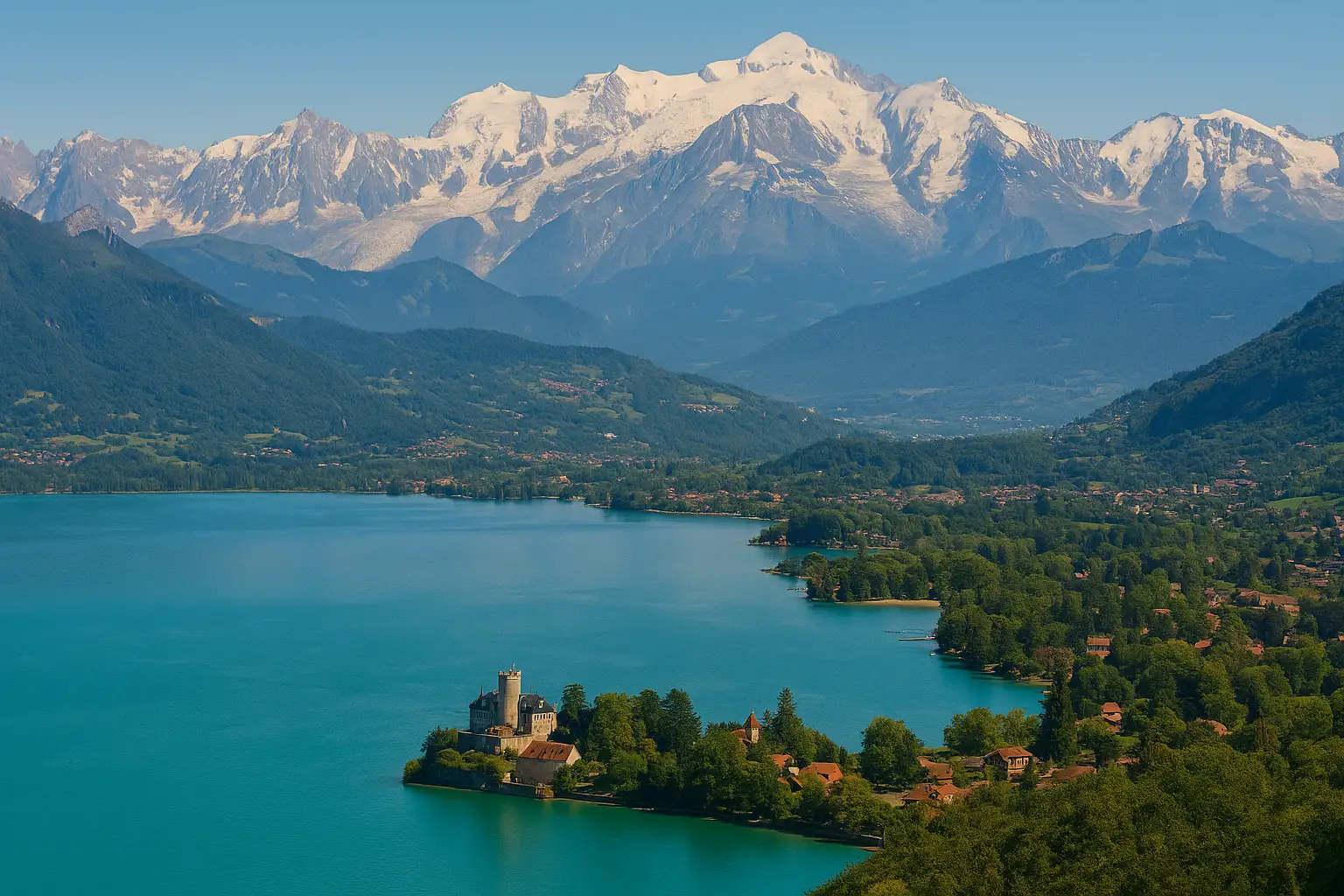
What if the most beautiful adventure of the year awaited you in the heart of the French Alps? Imagine a land where every valley, every lake, every peak tells an ancient story. Welcome to Haute-Savoie, between flowered villages, medieval castles, natural parks, and breathtaking panoramas. Here, the Aiguille du Midi touches the sky, the Cirque du Fer-à-Cheval transports hikers to the foot of the snowy peaks, and the town of Yvoire, perched on the shores of Léman, offers a timeless journey.
Are you dreaming of cultural walks, high-altitude hikes, Savoyard cuisine, beaches by the water, or alpine resorts lively in winter as in summer? This guide takes you to discover the most beautiful sites in the region: Annecy, Chamonix, La Clusaz, Sixt-Fer-à-Cheval, and the castle of Menthon-Saint-Bernard… so many jewels not to be missed.
Follow us through the stone alleyways, the turquoise canals, the baroque chapels, and the eternal glaciers… Haute-Savoie is waiting for you.
Among the jewels of this department, if there is one place that captures the very essence of Savoyard romance, it is undoubtedly the medieval town of Yvoire. Before browsing our complete selection, if your heart leans toward an escape between lake and ancient stones, discover our complete guide to visit Yvoire and don’t miss any of its hidden treasures. It is an essential stop for any successful stay on the shores of Lake Léman.
Are you preparing your stay and wondering what to do in Haute-Savoie? Between mythical peaks, turquoise alpine lakes, and charming villages, this Alps department is an inexhaustible destination. Whether you come for a romantic weekend or a sporty vacation, here is our selection of the 10 must-visit places in Haute-Savoie, as well as some “bonus” must-see sites, a little less known but equally interesting.
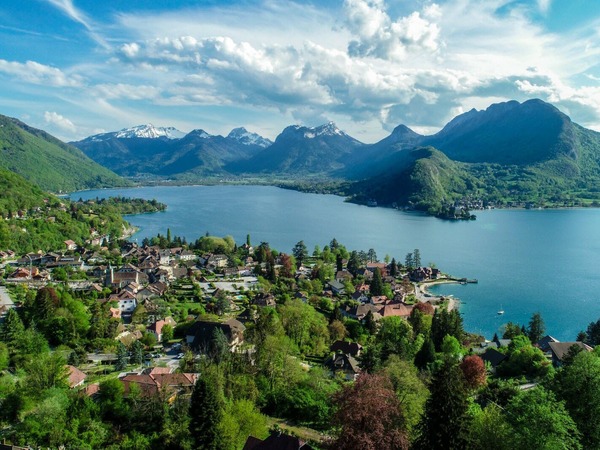
Lake Annecy :
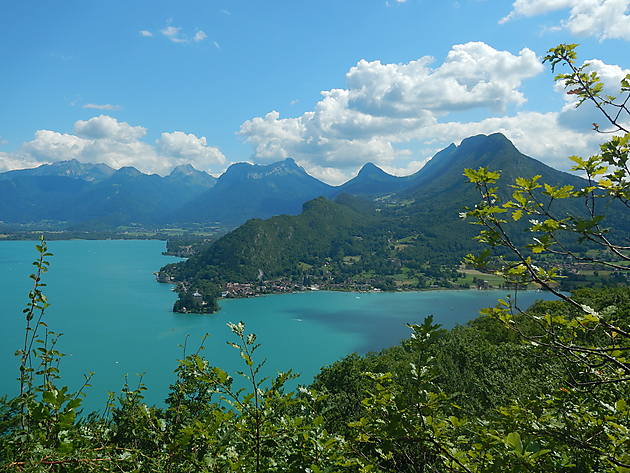
It is truly one of the most unmissable places in Haute-Savoie. This natural site is the second glacial lake in France after Lake Bourget in Savoie. It is located at 445m altitude and covers an area of about 27 km². For bike ride enthusiasts, a 33 km cycling path called “the Greenway of Lake Annecy,” located on the west bank of the lake, allows you to enjoy a pleasant time near the lake, then to discover the town of Annecy.
Annecy and its old town :
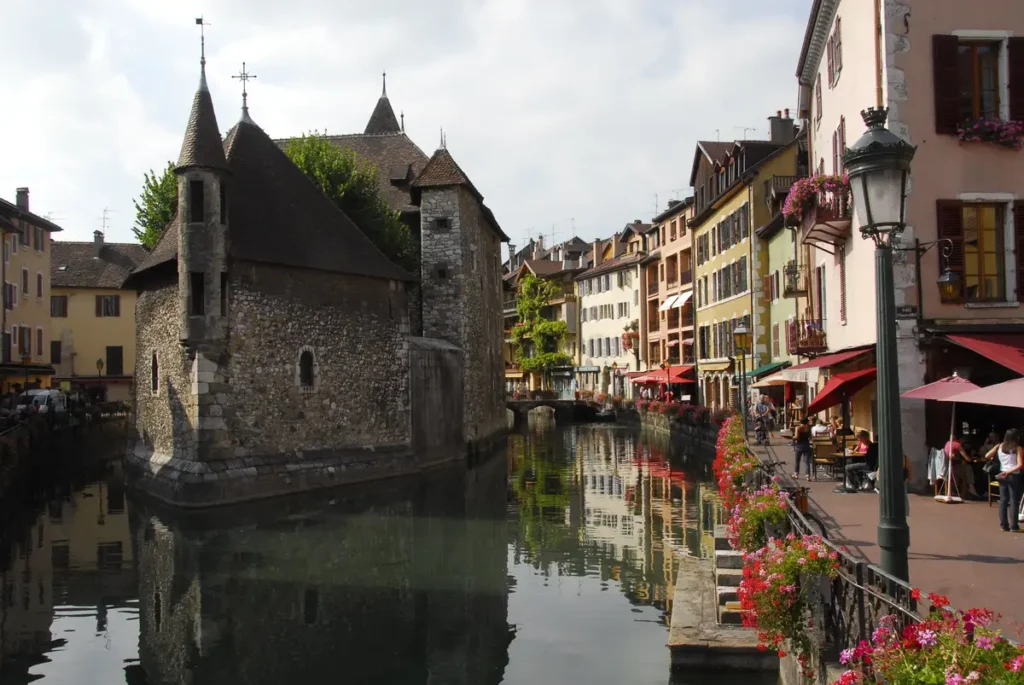
Of course, a visit to Haute-Savoie involves visiting Annecy’s old town. Wander through the narrow streets of the old town, perhaps with a visit to the Annecy Castle. Annecy offers several facets to discover: a medieval aspect with its old town and castle, its alleys and bridges. And a romantic aspect with its famous Bridge of Love connecting the Gardens of Europe to the esplanade of Pâquier, favorite walking spots for locals and visitors alike.
Be aware that driving and parking in the old town have become extremely complicated. Plan to arrive early if you want to find parking nearby (for example, at the town hall parking or Place de la Tournette).
Best season to visit Annecy and Lake Annecy
- Spring: the best time to cycle around the lake without the crowds. Cherry trees and flowering trees beautify the shores and gardens.
- Summer: swimming, paddleboarding, family beaches, and cruises aboard the green boats. This is the high season and also the liveliest.
- Autumn: a more peaceful atmosphere, blazing colors on the mountains, and golden light perfect for photographers.
- Winter: ideal for a lakeside walk in the morning mist, or to combine a visit to Annecy with skiing at nearby resorts such as Le Semnoz.
Chamonix :
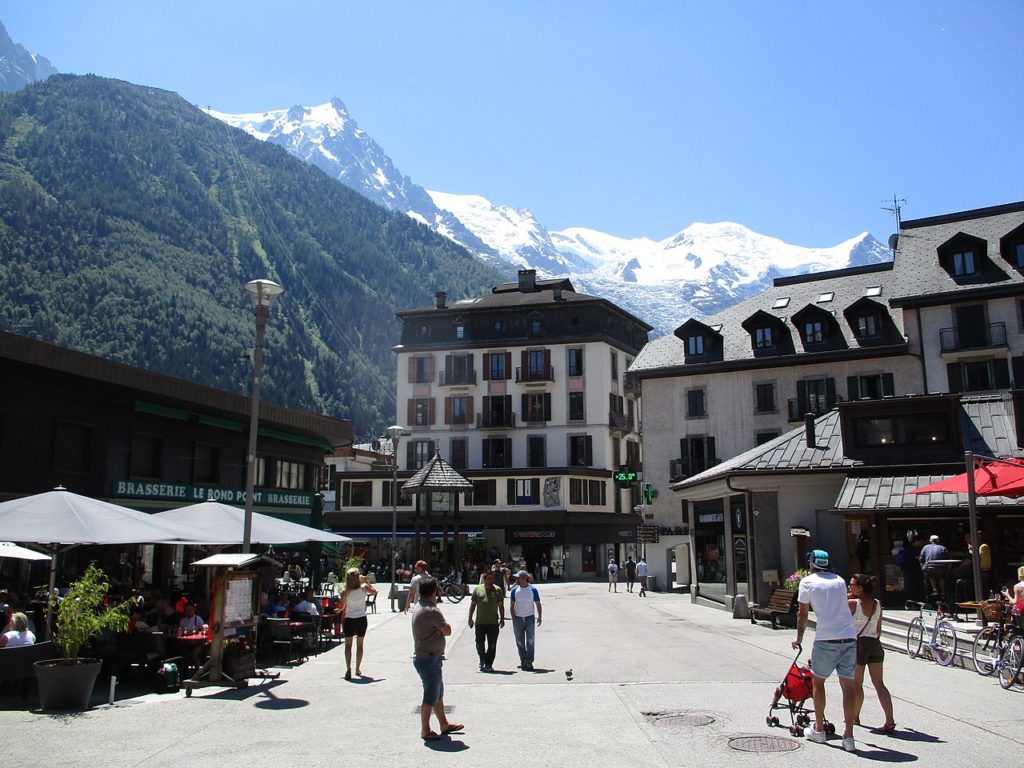
The undeniable capital of mountaineering, Chamonix Mont Blanc is a must-visit place. This town of Chamonix-Mont-Blanc comprises sixteen villages or hamlets: Le Tour, Montroc, Le Planet, Argentière, Les Chosalets, Le Lavancher, Les Tines, Les Bois, Les Praz de Chamonix, Chamonix-Mont-Blanc, Les Pècles, Les Mouilles, Les Barrats, Les Pélerins, Les Gaillands, Les Bossons. Nestled between the mountain ranges of the Aiguilles Rouges and Mont Blanc, Chamonix shares with Saint-Gervais-les-Bains the record for the highest altitude municipality in France and Western Europe, thanks to the presence of Mont Blanc’s summit at 4810m. Chamonix is very (too) popular with mountaineering enthusiasts and mountain sports lovers in general, which is beginning to cause overcrowding problems, especially on the normal route of Mont Blanc.
Best season to visit Chamonix and Mont Blanc
- Winter: world capital of skiing and winter mountaineering, Chamonix buzzes between legendary descents and a chic resort atmosphere.
- Summer: access to the Aiguille du Midi, hiking to Lac Blanc, paragliding from Plan de l’Aiguille. Spectacular views of the cleared glaciers.
- Autumn: intense colors in the forests, more changeable weather but much fewer people.
- Spring: ideal for ski touring enthusiasts or to observe the lingering snow on Mont Blanc’s summit without the summer crowds.
Aiguille du Midi :
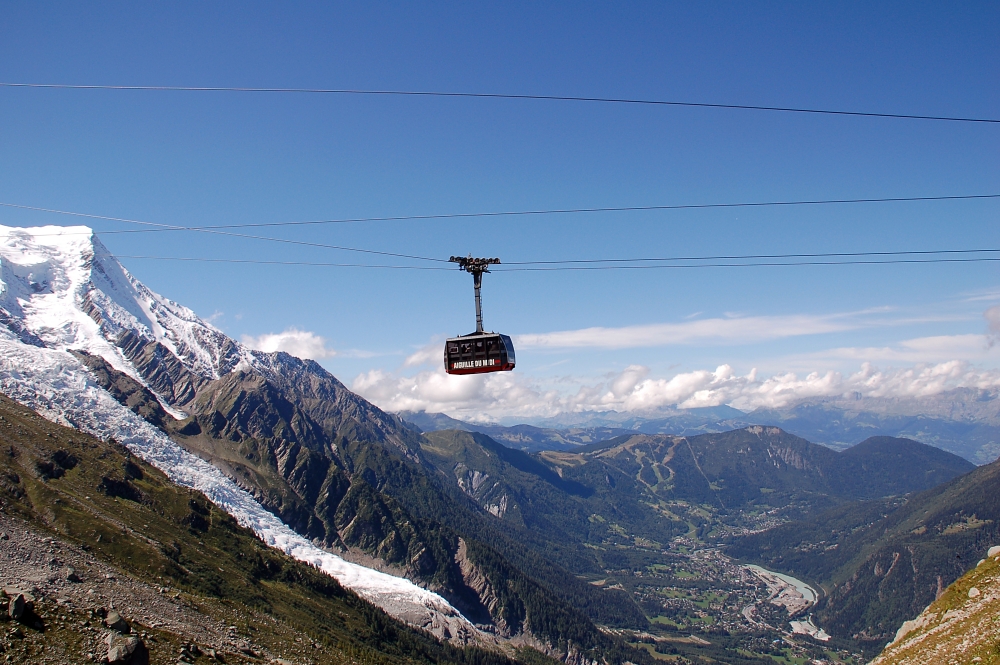
Still in the municipality of Chamonix, the ascent to the Aiguille du Midi is an activity not to be missed. The viewpoint at the summit of the needle is absolutely magnificent. From the center of the village of Chamonix, the Aiguille du Midi cable car transports you in 20 minutes to the gates of High Mountain at 3,842 m. At the height of its 3,777m (arrival station of the gondola), the Aiguille du Midi and its equipped terraces offer a 360° view over all the French, Swiss, and Italian Alps. Thanks to an elevator, you can access the upper terrace at 3,842m, to discover a breathtaking view of Mont Blanc.
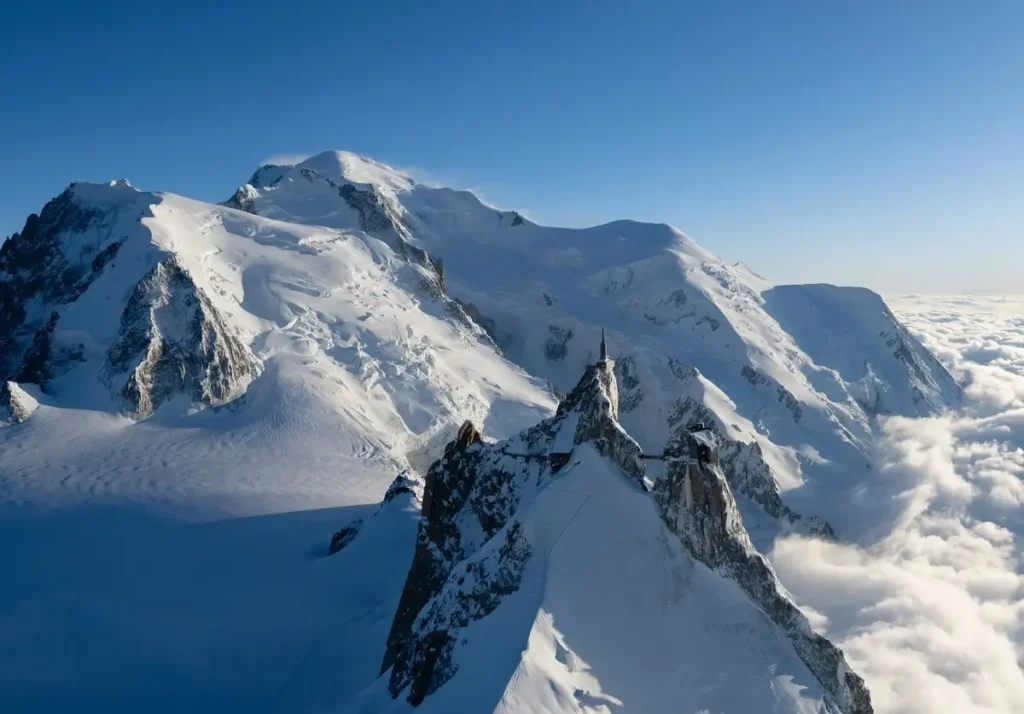
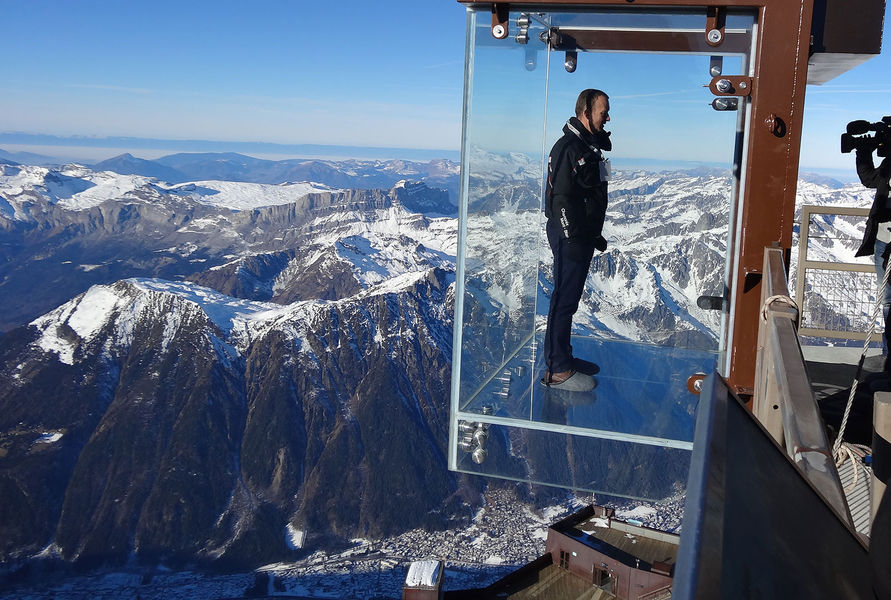
But thrill seekers will appreciate the site’s new attraction, the step into the void. Step into this glass box on 5 sides and find yourself more than a thousand meters of emptiness beneath your feet. Breathtaking!
However, beware, the Aiguille du Midi site is extremely busy, and we strongly advise you to book in advance: https://www.montblancnaturalresort.com/fr/billetterie. The only downside is the price, which is quite high and not affordable for everyone (Round trip adult: €81 / Round trip child: €68.90 / family rate: €251.20 for 2 adults + 2 young people & 3rd, 4th, and 5th young person of the same family free).
We also advise you to bring warm clothes, even if the weather is clear. It is very common to have negative temperatures at the summit of the Aiguille du Midi, even in midsummer. See the map of the Aiguille du Midi.
Best season to visit the Aiguille du Midi
- Winter (December to March): the cable car ascent turns into a polar journey. The panoramas of the glaciers, Mont Blanc, and the Vallée Blanche are breathtaking. In clear weather, the atmosphere is magical, but beware of the icy wind at 3,842 m altitude. Unforgettable for thrill seekers, off-piste skiing fans, or simply lovers of extreme beauty.
- Spring (April to June): an excellent period to avoid the summer crowds, while enjoying good visibility. The lingering snow still offers a wintery scene, but the air becomes milder. Ideal to combine the Aiguille with a walk in Chamonix or an ascent to Montenvers.
- Summer (July to September): very busy, but the conditions are the most stable to fully enjoy the panoramic terraces, the Step into the Void, and the connections to Italy via Pointe Helbronner. Prefer early morning or late afternoon to avoid the crowds.
- Autumn (October to early November): the most contemplative season. Fewer tourists, low sunlight, and sometimes the first snowfalls. A spectacular pause before the annual technical closure (usually in November for maintenance).
The Mer de Glace :
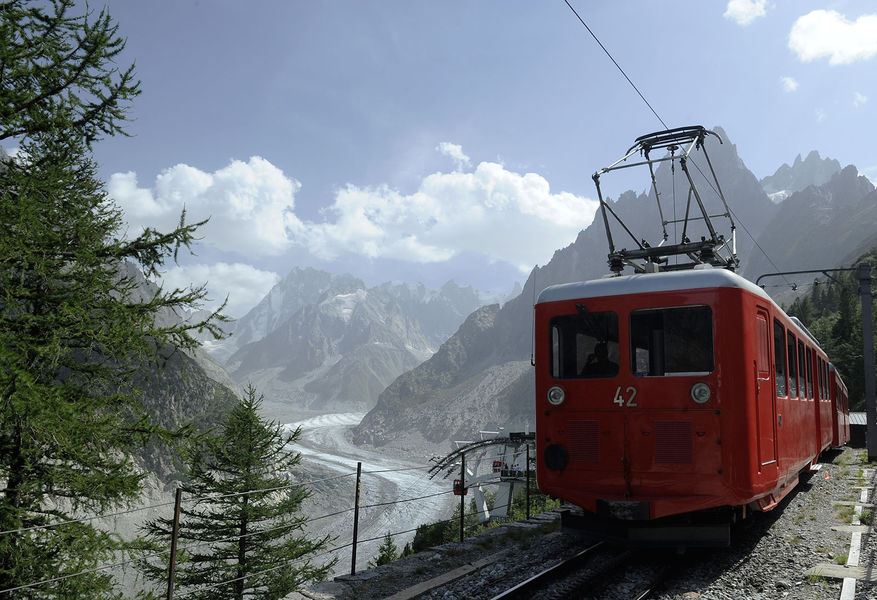
Despite the current climate warming, set out to discover the Mer de Glace in the Chamonix Valley. At 7 km long, 200 m thick, and with a width varying between 700 and 1950 m, the Mer de Glace is the largest glacier in France. To explore the heart of the glacier, you can visit the ice cave, which is carved anew every year (the glacier advances about 90 m per year on average). This cave is accessible on foot or by cable car. The Mer de Glace itself is accessible either on foot (allow 2 hours uphill), or by the Montenvers train (a small, historic red train that takes you to the Montenvers refuge in 20 minutes through an exceptional walk, ascending through the forest, brushing the surrounding peaks before emerging onto the ice giant).
Read: Visiting the Mer de Glace and Montenvers: the complete guide
Best season to visit the Mer de Glace
- Winter (December to March): a striking, almost lunar atmosphere. The Montenvers cog railway crosses the snow-covered forests to reach a frozen, monumental set, where silence reigns. The ice cave is accessible, as is the crystal gallery and the mountaineering museum. Warning: some activities close temporarily during heavy snowfall.
- Spring (April to June): a transitional period, ideal for those seeking to avoid crowds. The glacier remains visible, conditions are generally stable, and the light is exceptional. Access to the Montenvers refuge becomes possible for those wanting to extend the experience.
- Summer (July to September): it’s the high season. All tourist facilities are open, including ladders and stairs to descend to the cave. The glacier is very recessed, but the view of crevasses, seracs, and needles remains impressive. Prefer early morning or late afternoon to avoid crowds.
- Autumn (late September to November): the atmosphere becomes more austere but also more intimate. Fewer visitors, golden hues on the surrounding peaks, and a strong contrast between rock, ice, and forests. Before the annual closure of the train for maintenance, the place offers a more raw, less arranged beauty.
Yvoire :
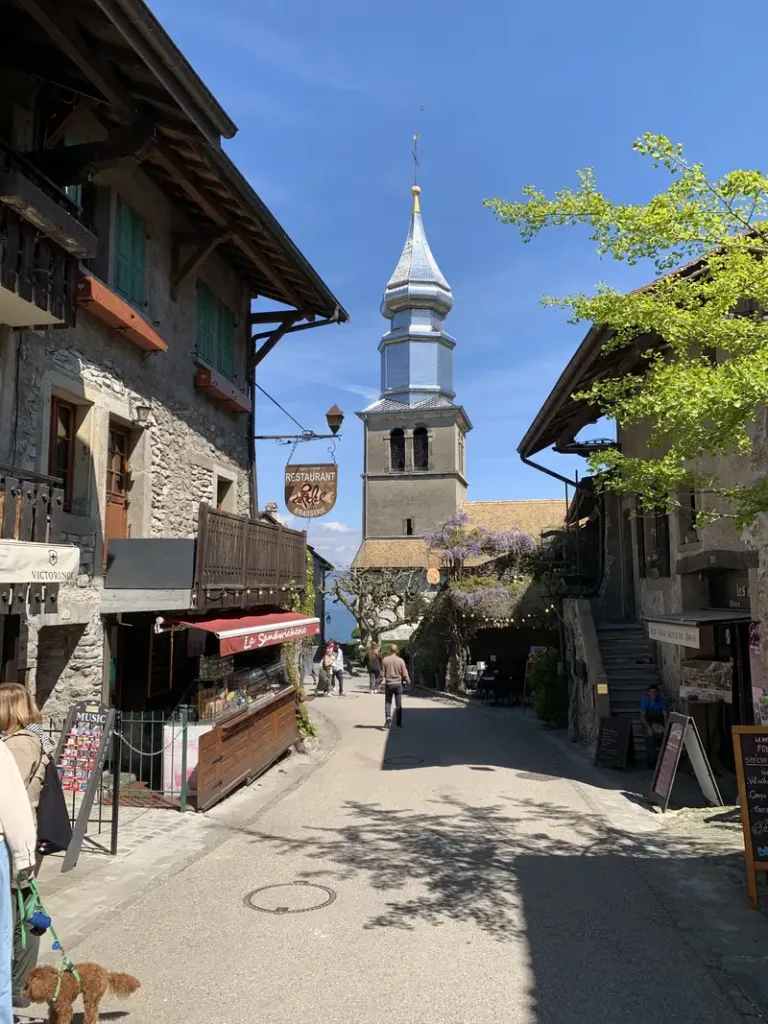
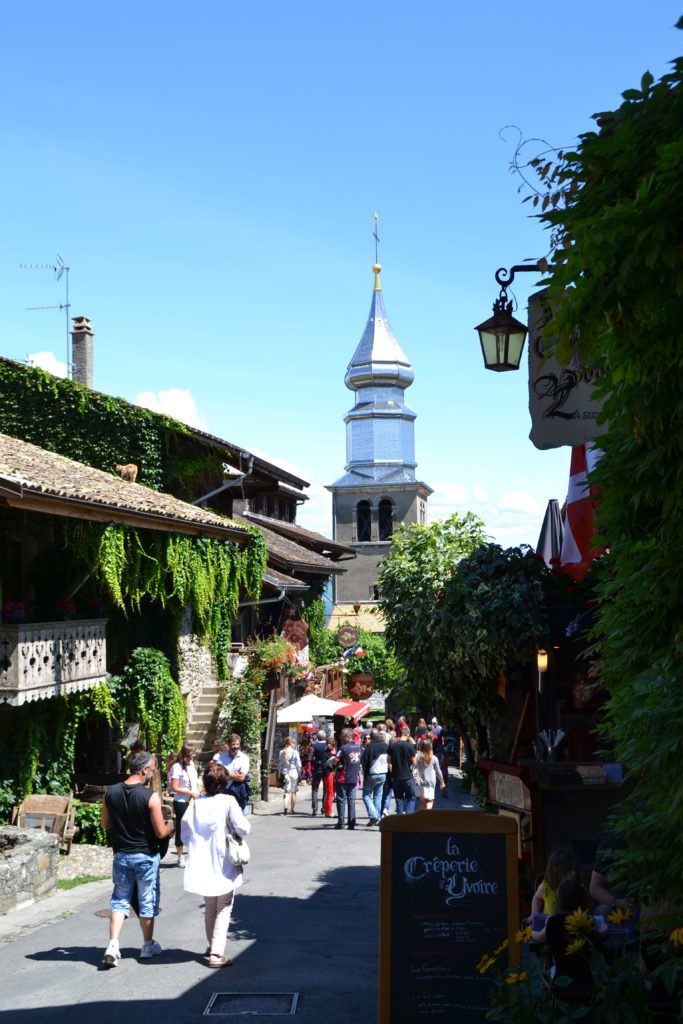
Overlooking Lake Léman, the fortified medieval village of Yvoire, a former fishing village on the shores of Lake Léman, is now an unmissable tourist site. It is, in fact, listed among the Most Beautiful Villages of France. Wander its streets with your loved one or family and enjoy the lake shores.
Best season to visit Yvoire
- Late April to June: ideal period to enjoy the Garden of the Five Senses in full bloom and the flowered streets.
- Summer: very touristic but also very lively: open terraces, outdoor events, boat trips on the Léman.
- September: the light on the lake and the returned calm give Yvoire a more romantic atmosphere.
- Winter: many shops close, but it is the perfect time for a timeless contemplative visit, between mist and silence.
The Garden of the Five Senses :
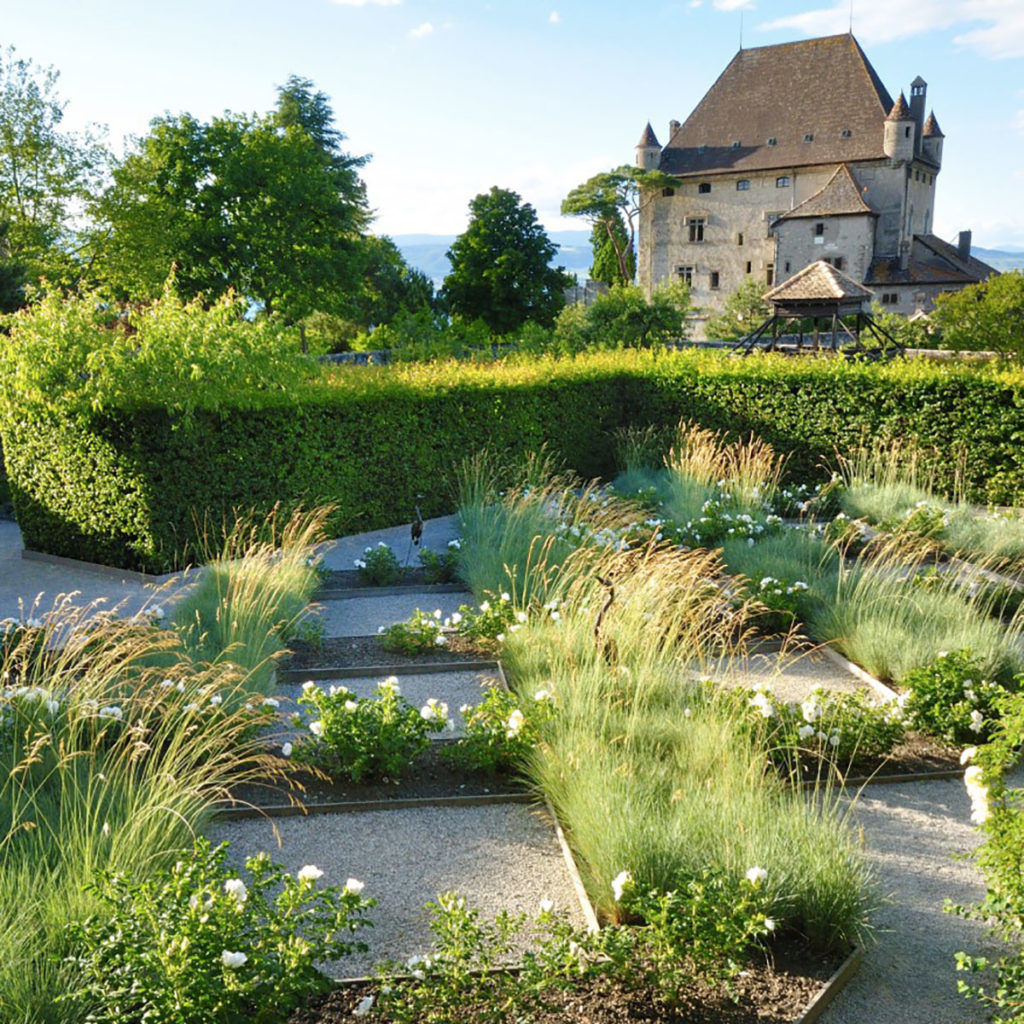
Still in the municipality of Yvoire, the Garden of the Five Senses is a living work carefully crafted for over 30 years, inviting discovery of the plant world. The Garden of the Five Senses consists of two parts, a first half hosting green rooms with diverse themes: an alpine meadow echoing the surrounding Alps, a shaded woodland adorned with shade plants, a weaving inspired by the Renaissance, and a hornbeam cloister, a true place of meditation. The lower part forms a labyrinth of four small charming gardens, separated by hornbeam and espalier apple tree hedges, dedicated to the senses of sight, touch, taste, and smell. The 5th sense, hearing, is represented by the murmur of water and birdsong. The garden is open every day from mid-April to early October, from 10:00 to 18:30. The visit ideally continues, a few dozen kilometers away, with the discovery of a secret garden of Haute-Savoie combining Eastern and Western influences.
The Rouget Waterfall :
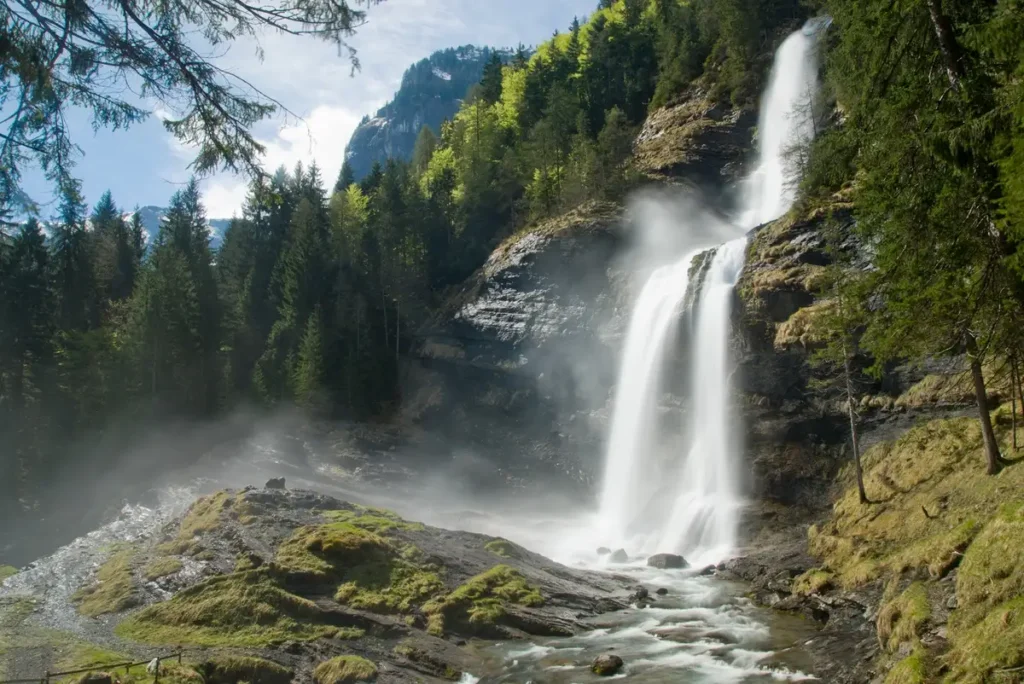
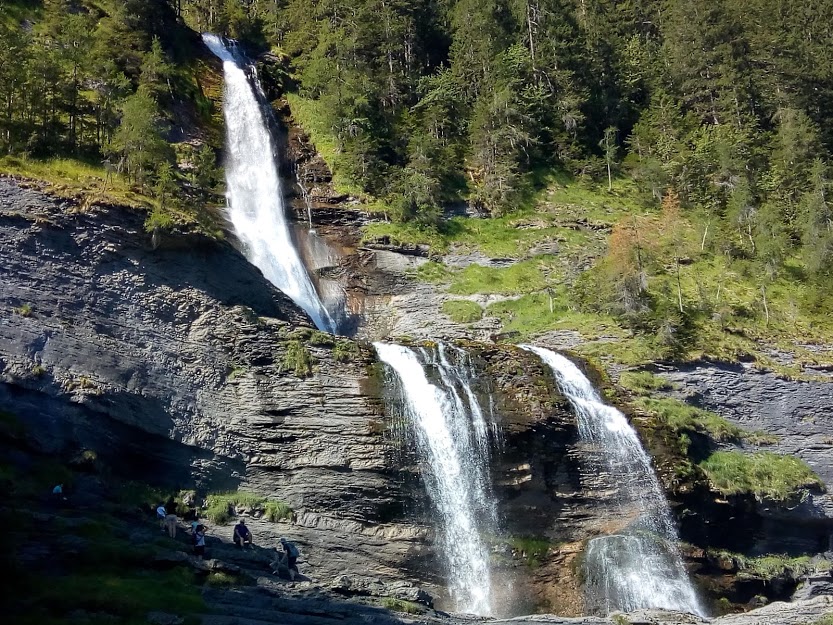
The Rouget waterfall, nicknamed the “Queen of the Alps,” is a waterfall in the Giffre Valley that flows year-round from the Salles torrent upstream and joins the Giffre des Fonds downstream to form the Petit Giffre within the municipality of Sixt-Fer-à-Cheval. It consists of two drops and gushes from more than eighty meters high.
It is very easy to reach the Rouget waterfall by car (it is located 6 km from the village of Sixt, beyond the hamlet of Salvagny). It is also accessible by hiking, via a 1h30 round-trip trail. Altitude: 1000 m. Be careful near the waterfall, a slip can happen quickly and leave no chance.
Best season to visit the Rouget Waterfall
- Spring (May to early July): it is the most spectacular period to admire the so-called Queen of the Alps. Thanks to snowmelt, the waterfall displays its full power. The roar of the water, the mist in the air, the dripping walls… the experience is raw, intense, and wild.
- Summer (July – August): accessible by car, the waterfall attracts many visitors, especially on sunny days. Prefer a visit during weekdays or early mornings to enjoy the freshness and calm. The site is also an excellent starting point for hikes to the Cirque du Fer-à-Cheval.
- Autumn (September – October): the atmosphere changes: the waterfall remains active but gentler. The fiery foliage of the surrounding forests adds a magical touch. A perfect moment for photographers or those seeking serenity.
- Winter: the road is often closed, but the more adventurous can reach the waterfall by snowshoes or ski touring. The fall may be partially frozen, creating a fairy-tale natural sculpture… provided you are well equipped!
The Gorges du Fier :
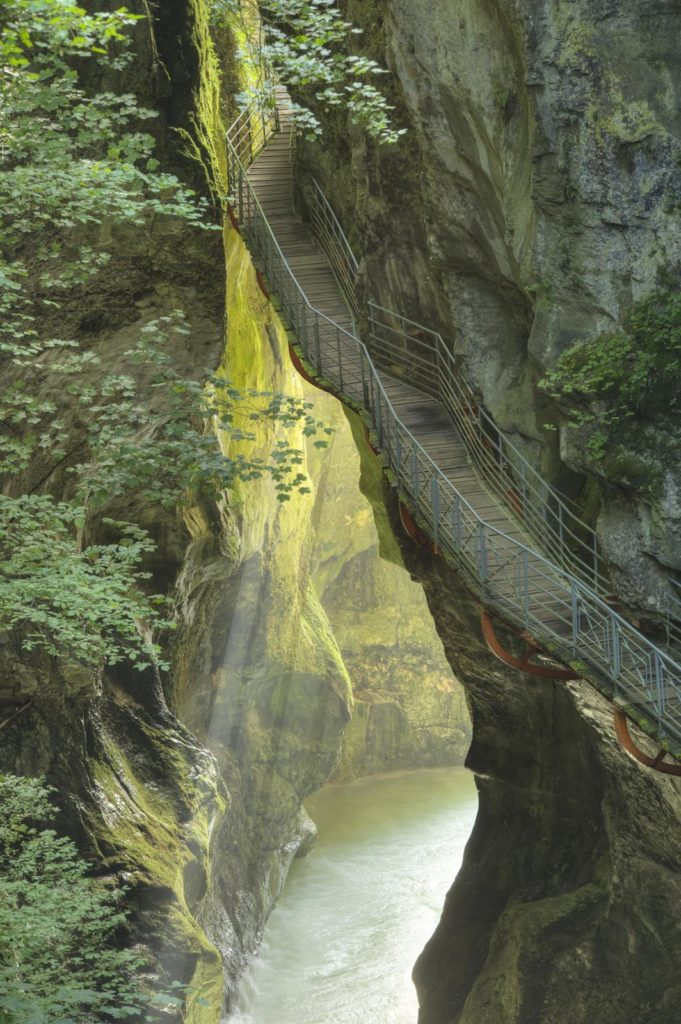
The Gorges du Fier are a remarkable natural curiosity of Haute-Savoie: a very narrow and deep gorge that can be visited via a footbridge fixed to the rock face, suspended 25m above the river, built in 1869 by the Annecy architect Marius Vallin and classified since 1943. This footbridge allows visitors to enter a gigantic defile inside which flows the Fier river and where one can admire piles of rocks of the most varied shapes, but also countless Giant’s Cauldrons carved by the river over millennia. The gorges are open from March 15 to October 15.
The Gorges de la Diosaz :
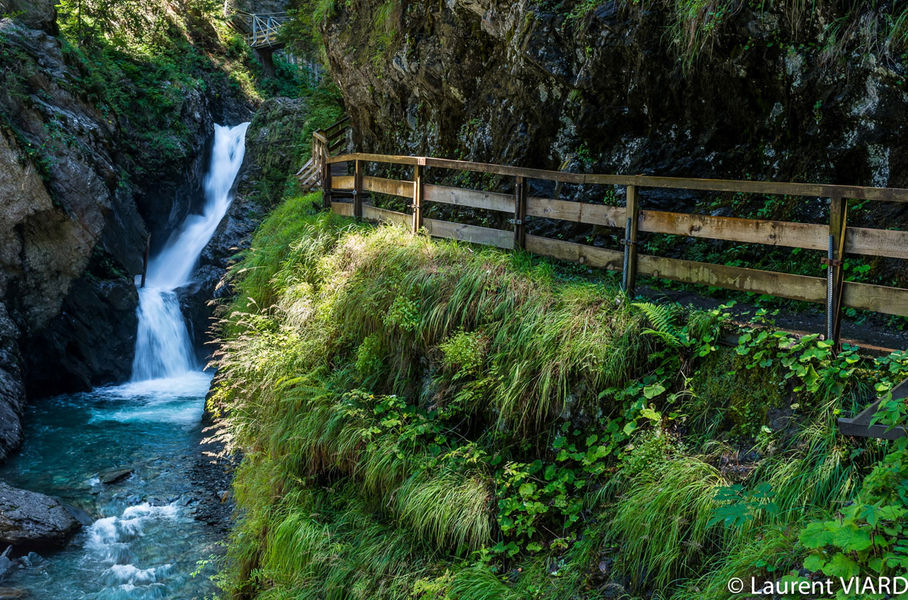
A curiosity in the Chamonix valley, the suspended path through the Gorges de la Diosaz offers, in a wild and natural site, a magnificent and unusual spectacle. This developed gorge is one of the must-see visits of the Mont-Blanc area and is said to be one of the most beautiful in France! A moderately difficult, shaded, well-equipped trail, firmly anchored, sometimes clinging to steep walls or crossing the torrent on pleasant footbridges, allows you to admire the erosion work of the Diosaz, contemplate the majesty of untamed nature, and shudder before the bubbling waterfalls.
Best season to visit the Gorges de la Diosaz
- June to September: the gorge is only accessible in summer. The developed trail allows you to hike up the waterfalls in a cool and spectacular environment.
- July-August: maximum waterfall flow, ideal after a storm or melting period. Plan an early arrival to avoid crowds.
- Late September: last chance to visit before the annual closure, with a wilder and quieter atmosphere.
- Closed in winter and spring: access is impossible for safety reasons.
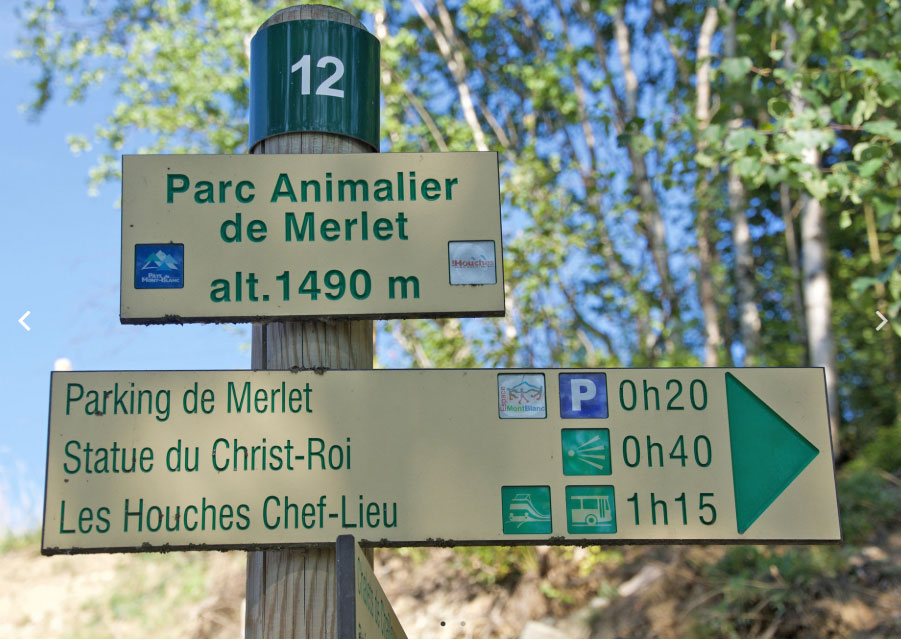
The Merlet animal park :
In the Chamonix Mont-Blanc valley, the Merlet animal park allows you to observe mountain animals living in their natural habitat. Ibex, chamois, marmots, deer… live in this 21-hectare space among meadows, rocks, and spruce forests. Two routes are proposed to visitors, an easy one (about 1 hour), and one for more fit people (count 2 to 3 hours minimum). Be careful, the Merlet park parking lots are located 300 to 1000m below the park, so you will have to walk to reach the park entrance. Avoid very busy periods (August in particular).
To these essential places, we can also add these other visits which also have great interest:
The Cirque du Fer à Cheval in Sixt :
A few kilometers from the village of Sixt, this cirque will allow you to stroll in a magnificent setting, surrounded by steep mountains and waterfalls. On the way back, a stopover in the village of Samoëns is a must for a little refreshment in the linden tree square.
Best season to visit the Cirque du Fer-à-Cheval
- May to July: waterfalls are at their peak thanks to the snowmelt. The contrast between cliffs, greenery, and residual snow is striking.
- August: ideal conditions for hiking to the refuges, but more visitors.
- Late September: explosion of colors on the limestone walls, peaceful atmosphere and still accessible.
- Winter: site closed to hiking, but accessible by snowshoes from Sixt, for a grand and silent atmosphere. Beware of significant avalanche risks in winter in this sector.
Lake Léman :
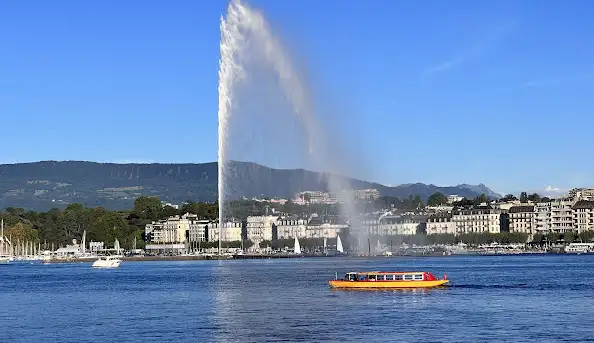
It is the largest lake in Europe! Along its shores, between France and Switzerland, typical towns and villages and beautiful beaches follow one another. Yvoire, of course, but also Thonon-les-Bains or Evian are to be discovered. You can also take a trip to our Swiss neighbors, visiting Geneva, but above all, from Yvoire, take the boat on Lake Léman heading to Nyon. Or visit Lausanne or Montreux from Thonon and Evian. Preferably on a sunny day to enjoy a magnificent view of the Alps.
Best season to visit Lake Léman and its thermal towns
- Summer: swimming, cruises, water activities in Thonon, Évian, or Sciez. The cultural calendar is very rich.
- Spring: the thermal baths of Évian and Thonon are less crowded, nature is reborn around the lake.
- Autumn: subdued atmosphere, calm lakes, romantic landscapes. Ideal for a thermal stay or a cozy weekend.
- Winter: perfect for a wellness break, Christmas markets, and classical concerts in Belle Époque settings.
The Abondance Valley :
Located in the heart of Haute-Savoie, the Abondance Valley, with its bucolic and authentic atmosphere, is an alpine jewel famous for its grand landscapes, rich cultural heritage, and mountain traditions. Situated near the Swiss border, this valley offers a unique experience for nature, sports, and cultural discovery enthusiasts. Slightly less frequented than other valleys in the department, it is well worth the detour for a visit from a few hours to several days.
Best season to visit the Abondance Valley
- Spring: meadows awaken, herds descend to the valley, pastoral and peaceful atmosphere.
- Summer: alpine festivals, hikes to high-altitude lakes, tasting of farm cheeses in the mountains.
- Autumn: beautiful light on villages and forests, ideal period for photography and contemplation.
- Winter: family ski resorts open, Christmas traditions and markets in the villages.
The Aravis range :
From the La Clusaz ski resort. At the foot of the magnificent Aravis range, the village of Clusaz delights all its visitors whether in summer with many possible hikes, but also in winter thanks to a varied ski area. And above all, an undeniable asset, it is the homeland of Reblochon cheese!
Best season to visit the Aravis Massif
- December to March: snow-covered resorts, chalet atmosphere, alpine and cross-country skiing, sledding, Savoyard specialties by the fire.
- June to September: walks among alpine chalets, paragliding, cows in the meadows… the massif becomes a living postcard.
- Autumn: tranquility and orange colors on the reliefs. Ideal for those seeking calm and authenticity.
- Spring: not recommended for high-altitude hiking because of unstable snow, but perfect for the valleys.
The village of Combloux :
This village probably offers one of the most beautiful panoramas over the Mont-Blanc massif. Not to miss on a clear day!
Practical information
Places to visit by season
Each season transforms Haute-Savoie into a completely different setting. Shimmering lakes in summer, fiery forests in autumn, frosted peaks in winter, or flowered meadows in spring… To fully enjoy your stay, here are the best times to discover each place according to its natural assets, attendance, and available activities.
| Place | Spring | Summer | Autumn | Winter |
|---|---|---|---|---|
| Lake Annecy | Bike rides, blooms on the shores | Swimming, cruises, summer events | Autumn colors around the lake | Misty walks, combine with skiing |
| Chamonix & Aiguille du Midi | Clear views, few people | Ascents, hiking, Mont Blanc panorama | Fewer people, beautiful lights | Skiing, frosty panoramas |
| Cirque du Fer-à-Cheval | Start of waterfalls, still wild | Full-flow waterfalls, open hiking | Blazing foliage, calm | Snowshoes if open, grand atmosphere |
| Yvoire | Flower-filled streets, Garden of the Five Senses | Very touristic but lively | Romantic atmosphere, golden light | Very quiet, shops often closed |
| Mer de Glace | Low crowds visit, glacier still covered | Full access to glacier and ice cave | Rock/ice contrast, raw atmosphere | Glacial setting, panoramic train |
Travel times from major cities
| Place | From Geneva | From Lyon | From Paris |
|---|---|---|---|
| Annecy | 45 min (car/train) | 2h (direct train) | 3h45 (TGV) |
| Chamonix | 1h20 (train via St-Gervais) | 3h (train via Bellegarde) | 6h (TGV + TER) |
| Yvoire | 1h (car, boat possible) | 2h30 (car) | 5h30 (TGV + car) |
| Évian | 1h15 (train + bus) | 3h (train via Thonon) | 5h45 (TGV + bus) |
| Fer-à-Cheval | 1h30 (car) | 3h15 (car) | 6h (TGV + car) |
| La Clusaz | 1h (car) | 2h15 (car) | 5h (TGV + car) |
Which place for which visitor profile?
Whether you travel as a couple, family, seeking landscapes to photograph or trails to explore, Haute-Savoie has something to satisfy every desire. Here is a selection of emblematic places, ranked according to the type of experience you seek. The ideal to choose the right place, at the right time, for the right person.
| Place | Couples | Families | Photographers | Hikers |
|---|---|---|---|---|
| Annecy | Romantic walk, old town | Water activities, beaches | Reflections, sunrises/sunsets | Bike tour around the lake |
| Chamonix | Panoramic view, adventure | Cable car + museum | Alpine panoramas | Access to alpine hiking starts |
| Sixt-Fer-à-Cheval | Peaceful hike | Easy hike + waterfall | Waterfall & limestone walls | Many trails from the site |
| Yvoire | Garden, lakeside dinners | Fun discovery | Flowers & architecture | Walk along Lake Léman |
| Mer de Glace | Intense experience for two | Train, ice cave | Glacier, high mountain | Hike to Plan de l’Aiguille refuge |
| Lake Montriond | Quiet and natural place | Picnic, swimming | Forest, autumn reflections | Trail around the lake |
Visit Haute-Savoie without a car: 4 itineraries for a gentle and grand immersion
No need for a steering wheel to marvel in Haute-Savoie. Thanks to its train, bus, boat networks and numerous bike paths, this alpine territory is perfect for a car-free stay, more ecological and often more peaceful. Whether you’re a fan of slow tourism, a curious traveler, or a train visitor, here are 4 immersive route ideas to experience without a car, with total freedom.
Itinerary 1: Annecy – Menthon-Saint-Bernard – Talloires – Doussard (by bike + boat)
Transportation mode: bike (greenway) + cruise boat
Ideal duration: 1 day or 2 days with overnight stay
Ideal for: couples, families, photographers
From Annecy, hop on your bike and follow the greenway, perfect for a bike tour of the lake. You will follow the eastern shore, offering exceptional views of the lake, mountains, and typical villas. First stop at Menthon-Saint-Bernard, dominated by its feudal castle that looks like it’s straight out of a fairy tale. Continue to Talloires, an enchanting village with flowered streets and a peaceful beach.
To return, let yourself be carried by the Navibus boats which connect the villages and Annecy: a magical end of day on the water, with the peaks blushed by the setting sun.
Itinerary 2: Chamonix – Montenvers – Mer de Glace – Plan de l’Aiguille (train + cable car)
Transportation mode: cogwheel train + cable car
Duration: 1 day
Ideal for: nature lovers, glacier lovers, and spectacular panoramas
From Chamonix station, board the Montenvers cog railway, a historic gem that winds through the forests to reach the Mer de Glace. On site, explore the glacier-carved cave, the crystal museum, and take time to admire the landscape from the panoramic terrace.
Want to extend the magic? Reach the Plan de l’Aiguille on foot or by cable car, for a break facing the Mont Blanc Massif. Return by the Aiguille du Midi cable car to Chamonix.
Itinerary 3: Thonon – Yvoire – Évian-les-Bains (Léman Express train + bus + boat)
Transportation mode: train + bus + boat
Duration: 1 to 2 days
Ideal for: heritage, flowers, and lake lovers
Take the Léman Express to Thonon-les-Bains, a spa town overlooking Lake Léman. From there, a regular bus takes you to the medieval village of Yvoire, listed among the Most Beautiful Villages of France. Flowered streets, Garden of the Five Senses, lakeside restaurants… the atmosphere is magical.
End the day with a lake cruise on Léman to Évian, an elegant spa town, to enjoy thermal baths, beautiful Belle Époque hotels, and a sunset from the quays.
Itinerary 4: Car-free alpine pasture circuit around Abondance (multi-day hike + valley shuttles)
Transportation mode: walking + valley shuttles
Duration: 2 to 4 days
Ideal for: hikers, slow-tourism families, cheese lovers
Reach Abondance by bus from Thonon, and set off on foot to discover this valley rich in traditions. You will pass by baroque chapels, mountain villages, and alpine cheese dairies where the famous farmhouse Reblochon is made. Local shuttles allow you to reach the villages of Châtel, La Chapelle-d’Abondance, or Lake des Plagnes.
An ideal way to discover Savoyard rural heritage on foot, while sleeping in a inn, chalet, or guest farm.
Why choose a car-free stay in Haute-Savoie?
- Accessibility: Annecy, Thonon, Évian, or Chamonix are accessible by direct train from Lyon, Paris, or Geneva.
- Ecology & peace: no stress of driving, no parking search, less CO₂.
- Total immersion: the journeys themselves become experiences (boats, panoramic trains, hikes).
- Support for local economy: by favoring regional accommodations and transport.
Explore Haute-Savoie, a never-ending journey
Spectacular mountains, villages with intact charm, crystal-clear lakes, living traditions: Haute-Savoie reveals itself to those who take the time to travel it, season after season, valley after valley. Whether you are a fan of vertiginous hikes, a photographer in search of perfect light, an epicurean looking for alpine cheeses, or a history-loving wanderer, you will find here much more than landscapes: a land of character, sensations, and emotions.
And if these few places are not enough to tell it all, they are a first open door to a multitude of other treasures to discover. Continue the adventure, through the seasons, at the pace of your desires, and let Haute-Savoie surprise you, again and again. We will regularly offer you new places to visit as we discover more.
Recommended itinerary: 7 days to visit Haute-Savoie
Planning a stay can be complex given the richness of the territory. To help you, we have designed a balanced circuit combining mythical peaks, sparkling lakes, and characterful villages. This itinerary is ideal for a first discovery of the department.
- Day 1: Annecy, the Venice of the Alps. Morning in the old town, lunch by the canals, and afternoon relaxing on the lake (pedal boat or cruise).
- Day 2: Tour of Lake Annecy. Exploration of the shores, visit of the Château de Menthon-Saint-Bernard, and sunset at the Col de la Forclaz.
- Day 3: Chamonix-Mont-Blanc. Ascent to the Aiguille du Midi (3,842 m) and visit of the Mer de Glace via the famous Montenvers cog railway.
- Day 4: The Giffre Valley. Head to Sixt-Fer-à-Cheval to admire the “Queen of the Alps” (the Rouget Waterfall) and hike in the Grand Cirque.
- Day 5: Lake Léman and Yvoire. Visit the medieval town of Yvoire (listed among the Most Beautiful Villages of France) and stroll in Évian-les-Bains.
- Day 6: Aravis and traditions. Discover La Clusaz or Le Grand-Bornand. It’s the perfect time to visit a farm and taste authentic farmhouse Reblochon.
- Day 7: The Salève or the Gorges du Fier. A last spectacular panorama over Geneva and Mont-Blanc from the Salève cable car before departure.
Need more details? Find the complete guide, travel times, and our secret addresses in our dedicated article: Visiting Haute-Savoie in 7 days: the step-by-step guide.
Checklist: Essentials in your suitcase for Haute-Savoie
Whether you come to visit Haute-Savoie in summer or winter, mountain climate requires a few precautions. Here are the essentials not to forget to enjoy your stay with peace of mind:
For hiking and walks
- Hiking boots: Even for an easy walk like at Cirque du Fer-à-Cheval, good grip is essential (rocks near waterfalls are slippery!).
- “Three-layer system” clothing: a breathable t-shirt, a fleece, and a windproof/waterproof jacket. Weather can change quickly at altitude.
- Reusable water bottle: The water in our mountains is precious and excellent, avoid disposable plastic.
For lakeside (Annecy and Léman)
- Swimsuit and towel: Essentials from June to September.
- Water shoes (aquashoes): Very useful for pebble beaches or to access the rocks of Lake Annecy without slipping.
- High protection sunscreen: The reflection of water and altitude greatly increase UV index.
The little “plus” for photographers
- External battery (Powerbank): The cold (at altitude) and numerous photos/videos quickly drain smartphones.
- Binoculars: Essential for observing marmots, ibex, or mountaineers on the Mont-Blanc massif from the Aiguille du Midi.
Some photos of must-visit places in Haute-Savoie
Last update: 03/04/2026
Your turn: What is your secret spot in Haute-Savoie?
We hope this guide to the 10 must-see places helps you sketch the trip of your dreams between lakes and mountains. Haute-Savoie is a generous land that holds many more surprises for those who take the time to stray from the beaten path.
And you, what place has left the strongest impression on you? A secret summit above Annecy, an authentic mountain inn in the Aravis, or a hidden waterfall near Chamonix?
Share your gems and questions in the comments below! We read all your messages and will be happy to help you refine your itinerary for your next Haute-Savoie adventure.
Article mis à jour le 20 August 2026