
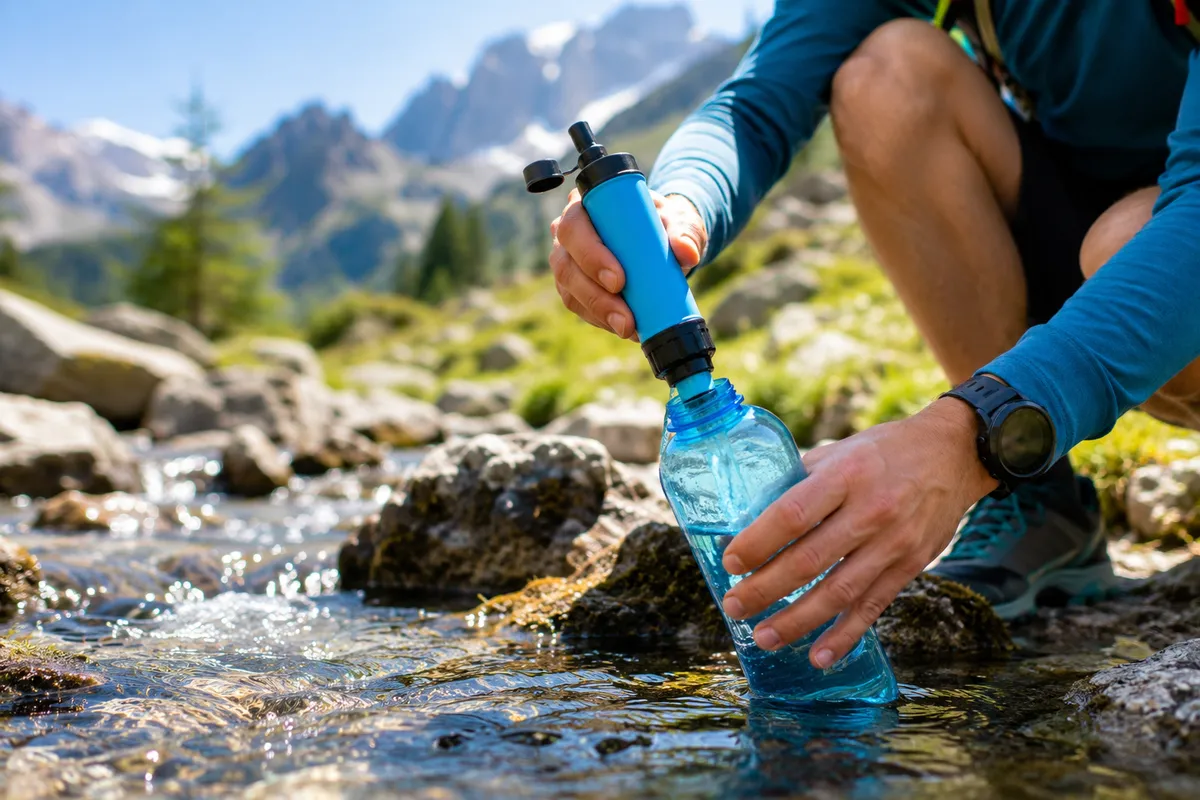
Increasingly popular with hikers, filtered water bottles help reduce the weight of the backpack while limiting the purchase of plastic bottles. But these accessories do not make all waters drinkable and their effectiveness largely depends on how they are used. Here is everything you need to know before filling your bottle in a mountain stream or lake.
Why use a filtered water bottle when hiking?
During a summer hike, water is one of the heaviest items to carry. One liter of water weighs one kilogram, which can quickly add weight to the bag on a day outing or a multi-day trek.
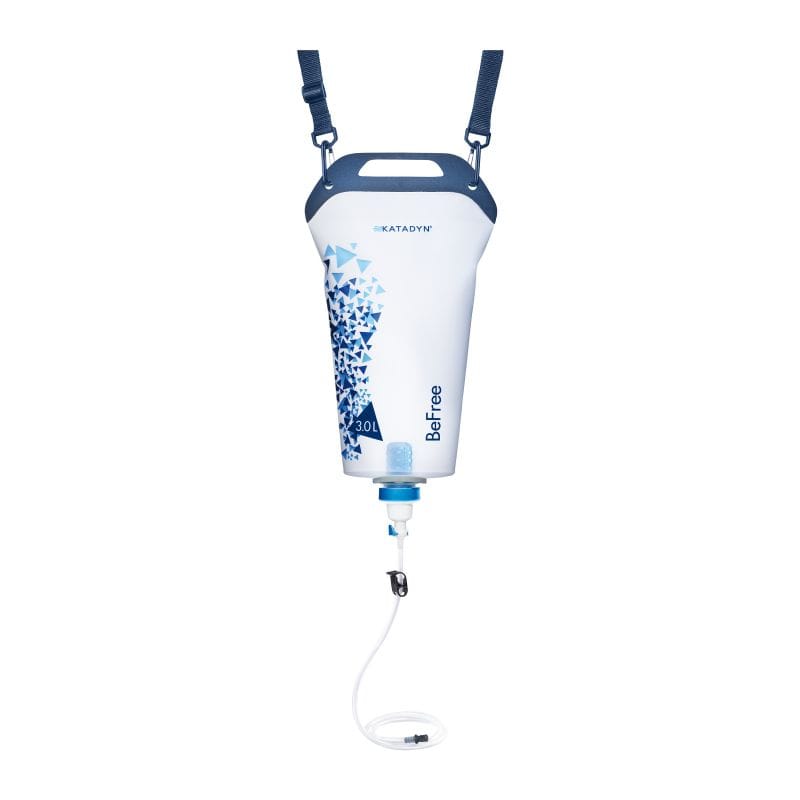
A filtered bottle allows you to replenish your supplies directly in nature, provided you choose a suitable source. It offers several advantages:
- reduce the carried weight;
- limit plastic waste;
- gain autonomy;
- avoid long stretches without water points.
Still, it is important to know what the filter is actually capable of removing.
A filtered water bottle does not make all water drinkable
This is the most common mistake. Many people think that a filtered bottle turns any water into drinking water. In reality, it all depends on the technology used.
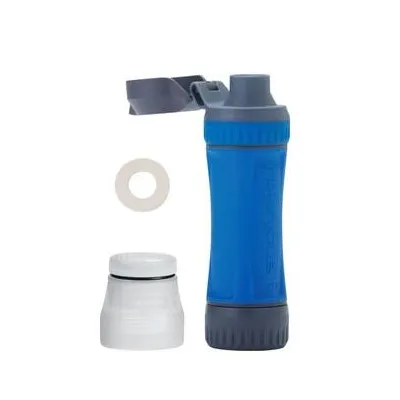
The majority of filtered bottles designed for hiking effectively eliminate:
- bacteria;
- protozoa and parasites;
- microplastics;
- sediments responsible for turbidity.
However, they usually do not filter:
- viruses (rarer in the mountains but present in some parts of the world);
- pesticides;
- heavy metals;
- chemical pollution;
- hydrocarbons.
In other words, clear water is not necessarily drinkable, and chemically polluted water will remain dangerous even after filtration.
Always choose the best possible source

Even with a filtered bottle, it is better to carefully select your refill point. The best options are:
- a captured source or a natural resurgence;
- a fast-flowing stream;
- a watercourse located upstream from frequented areas.
On the other hand, it is better to avoid:
- stagnant waters;
- pools;
- small ponds;
- puddles;
- watercourses located just below a pasture, where animal droppings can be numerous.
In the mountains, always favor flowing water rather than stagnant water.
Beware of herds and mountain pastures
In Haute-Savoie as in many Alpine massifs, herds occupy the mountain pastures all summer. Even if the water looks crystal clear, it may contain bacteria from animal droppings or a decomposing carcass.
If you fill your bottle in a stream crossing a pasture, try as much as possible to source your water well upstream of grazing areas.
Filtering does not exempt caution
A filtered bottle greatly reduces microbiological risks, but never guarantees absolute safety. Evidence includes recent poisonings in the Pyrenees where a dozen people had to be evacuated despite using filtered bottles.
Certain situations indeed require greater precautions:
- after heavy rains that make the water very turbid;
- in very frequented areas;
- near refuges or campsites;
- in agricultural zones.
On a challenging trek or abroad, some hikers combine filtration and chemical treatment to increase safety.
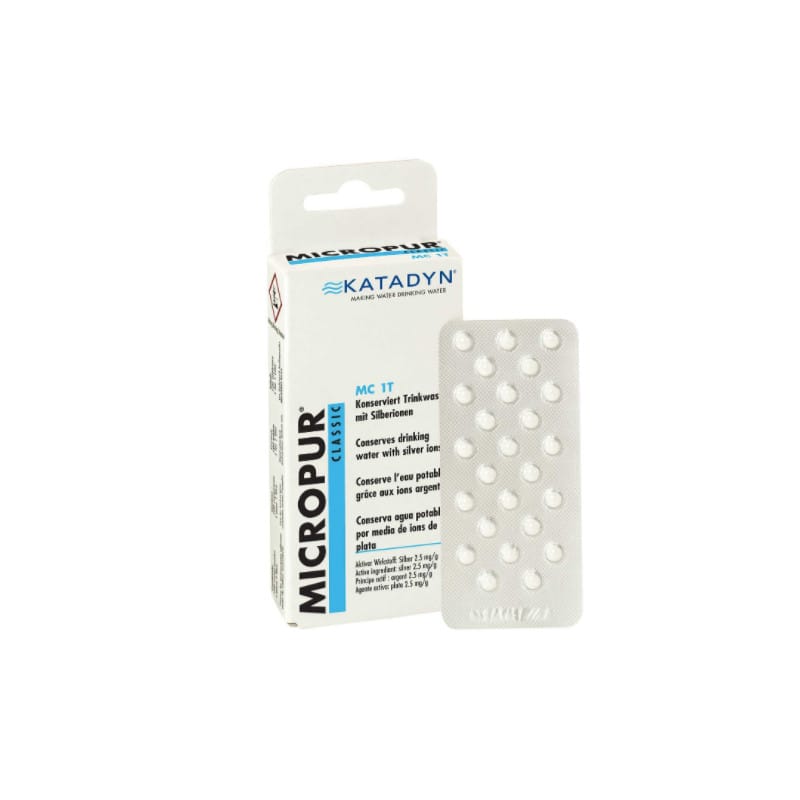
What about purification tablets like Micropur?
Purification tablets, such as those in the Micropur range, are an interesting alternative or complement to filtered bottles. They work thanks to disinfectant agents that eliminate bacteria and, depending on the model, also neutralize certain viruses present in the water. However, they do not remove suspended particles, sediments, or microplastics: cloudy water will remain so after treatment.
For optimal efficacy, it is therefore recommended to filter the water first if it is turbid, then use tablets when the microbiological risk is higher. It is also important to respect the action time indicated by the manufacturer, generally between 30 minutes and 2 hours depending on water temperature and product type used.
This solution is particularly appreciated on multi-day treks or trips to regions where water quality is more uncertain. Personally, this is the solution I adopted during the GR10 hike a few years ago, and I had no problems. You just have to get used to a slight taste in the water, but nothing too bothersome.
Properly maintain your filter
A poorly maintained filter quickly loses efficiency. A few simple rules help extend its lifespan:
- rinse the filter after each outing;
- follow the manufacturer’s cleaning procedures;
- never leave a filter damp for several weeks;
- protect the filter from freezing, which can cause invisible microcracks and render it ineffective.
It is also important to replace the cartridge when its maximum lifespan is reached.
Check the filtration flow rate
Over time, a filter naturally clogs. If water flows much more slowly than usual, it is often time to clean the filter or replace the cartridge.
Never force water flow by applying strong pressure: this can damage some models.
Filtered bottles do not replace good preparation
Before a hike, always consult the map or itinerary to spot available water points.
In hot weather, it is advisable to start with a sufficient reserve rather than relying solely on sources encountered along the way, which may be dry in late summer.
A filtered bottle is an excellent complement, but it should not be considered a miracle solution.
My advice
Even with a high-performance filtered bottle, always favor flowing water, taken upstream from mountain pastures and frequented areas. And if you have the slightest doubt about the water quality, it is better to refrain from drinking it rather than taking an unnecessary risk, or use purification tablets as a complement.
FAQ
Can you drink directly from a stream with a filtered bottle?
Yes, if the bottle is designed to eliminate bacteria and parasites, and if the water comes from a mountain stream little exposed to contamination. It is still preferable to choose a collection point located upstream from mountain pastures and inhabited areas.
Does a filtered bottle eliminate viruses?
Most models intended for hiking in Europe do not filter viruses. These are however relatively rare in French mountain waters. In some parts of the world, a complementary treatment may be necessary.
Can you filter lake water?
This is not recommended. Stagnant waters present a higher microbiological risk and may contain more suspended matter. It is always better to favor flowing water.
Should the filter be changed regularly?
Yes. Each manufacturer indicates a maximum capacity (often several hundred to several thousand liters). A worn or damaged cartridge no longer guarantees effective filtration.