A takeaway packed lunch, a socket to charge the phone, sometimes even a question about Wi-Fi: in mountain refuges, visitors’ habits have changed. And the wardens are at the forefront of observing this shift.
A booming attendance
The numbers speak for themselves. In 2025, the French Federation of Alpine and Mountain Clubs (FFCAM) recorded 348,000 overnight stays in the 120 refuges it manages, representing about 40% of the national park. A record, up nearly 9% compared to the previous peak in 2023. More than half of the network’s refuges now show attendance levels never seen before, and the appeal is no longer limited to the most well-known addresses.
Even refuges perched above 3,000 meters, long reserved for an elite of mountaineers, are seeing a broader public flock to them. At the Adèle-Planchard refuge, in the Écrins massif, attendance has jumped by more than 50% since 2020, despite six hours of walking and technical cable sections to access it.
Who are these new hikers?
The typical profile of refuge visitors has changed. According to the latest survey by the French Hiking Federation, 62% of French people say they hike, that is more than 30 million people. The most significant increase concerns the younger generations: among 18-24 year-olds, the share of hikers rose from 40% to 48% between 2021 and 2025. More than one out of two young hikers now sleeps in a refuge or bivouac as part of long itineraries.
This new public often arrives without the mountain culture previously passed down by alpine clubs, families, or experienced groups of friends. Many discover the mountains through social networks, an app, or a simple guidebook before setting out on iconic routes like the Tour du Mont-Blanc, the Stevenson Trail, or the GR20.
The wardens’ daily life turned upside down
This transformation is reshaping the work of the wardens. The seasons are lengthening significantly: attendance in June, September, and even October has increased by about 30%, according to the FFCAM. The rhythm of the days is also changing: later breakfasts, continuous presence of visitors at the refuge, midday peak times that sometimes catch the teams off guard.
Visitors’ expectations are evolving as well. Gone is the piece of sausage slipped into the bag: today, almost everyone requests a takeaway packed lunch, an additional workload that is difficult to schedule within the organization of a refuge. And electricity, precious and rationed at altitude, becomes a subject in its own right. A warden at the Durier refuge, in the Mont-Blanc massif, recounts that the first question asked by some visitors is no longer related to the meal or wake-up time, but to the possibility of “charging my mobile phone in your refuge”.
An evolution experienced rather positively
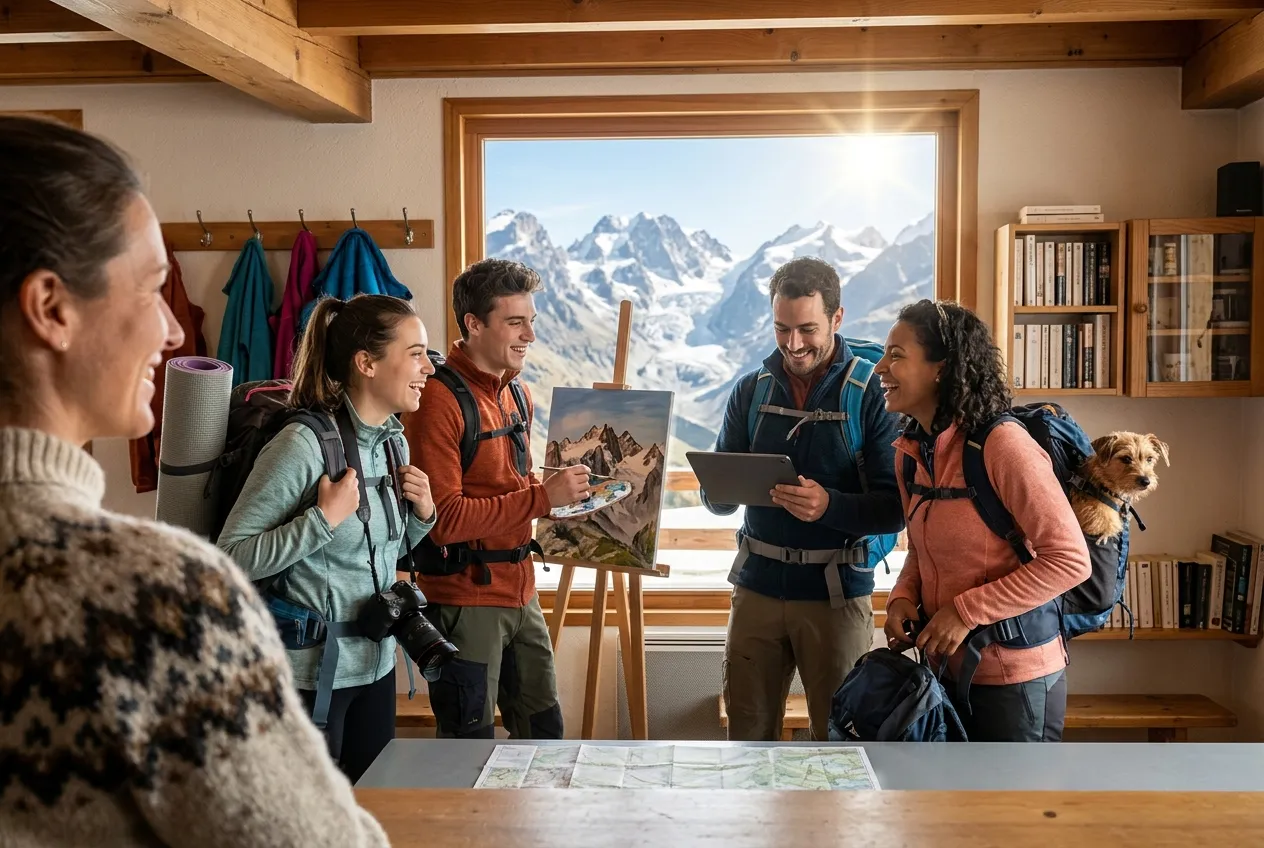
Despite these upheavals, most wardens tell of a happy coexistence between seasoned alpinists and novice hikers. The exchanges at the table, the board games of the younger ones that amuse the regular belote players, the curiosity about local fauna and flora: this diversity enlivens the evenings rather than tensing them.
The profession of warden itself is also changing deeply. It is becoming more female, younger, and attracting graduates from higher education who came to the mountains through climbing or trail running rather than through a family mountain heritage. Some refuges are even turning into small cultural venues, with storytelling evenings, concerts, or artist residencies.
One true challenge remains: transmitting the essential codes of the mountains to an audience that sometimes completely ignores them, to the point of forgetting that the primary function of a refuge is precisely to provide shelter there.