For a long time, it symbolized absolute freedom in the mountains. A tent set up facing the peaks, a night under the stars and the feeling of experiencing the mountains differently. But this very popular practice is now under scrutiny by the authorities in Haute-Savoie.
Faced with a sharp increase in visitors, growing amounts of waste, and behaviors deemed disrespectful, the prefecture has just tightened regulations in several emblematic nature reserves of the Mont-Blanc massif.
Landscapes Overrun for Several Summers
Since the health crisis, the mountains have attracted an ever-growing audience. The iconic routes, notably around the Tour du Mont-Blanc, are experiencing record numbers of visitors.
At the Contamines-Montjoie, the managers of the nature reserve have observed for several years a multiplication of wild installations. Some areas now host several dozen tents during a single night in the peak season.
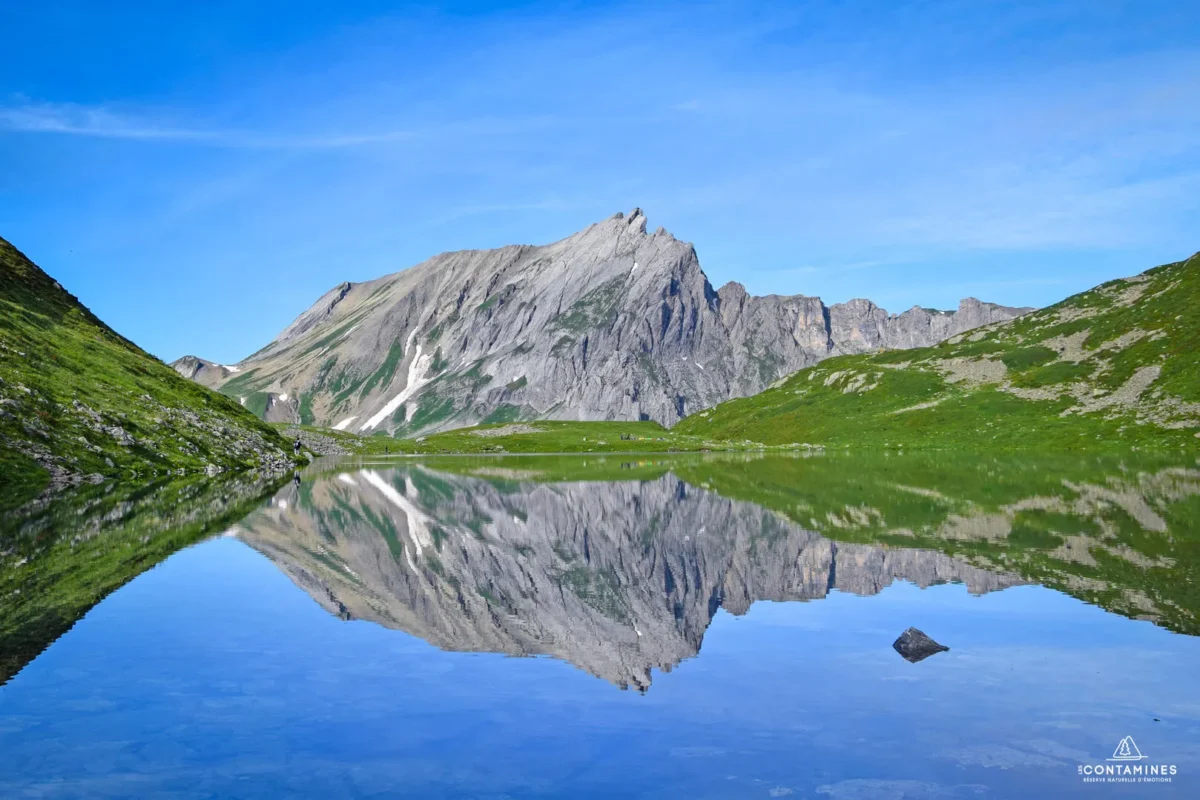
The high-altitude lakes, once relatively preserved, have become very popular stops on social networks. However, this popularity is accompanied by many abuses: abandoned waste, wild toilets, noise pollution, and degradation of fragile vegetation.
© Les Contamines Tourisme
Bivouacking Now Strictly Regulated
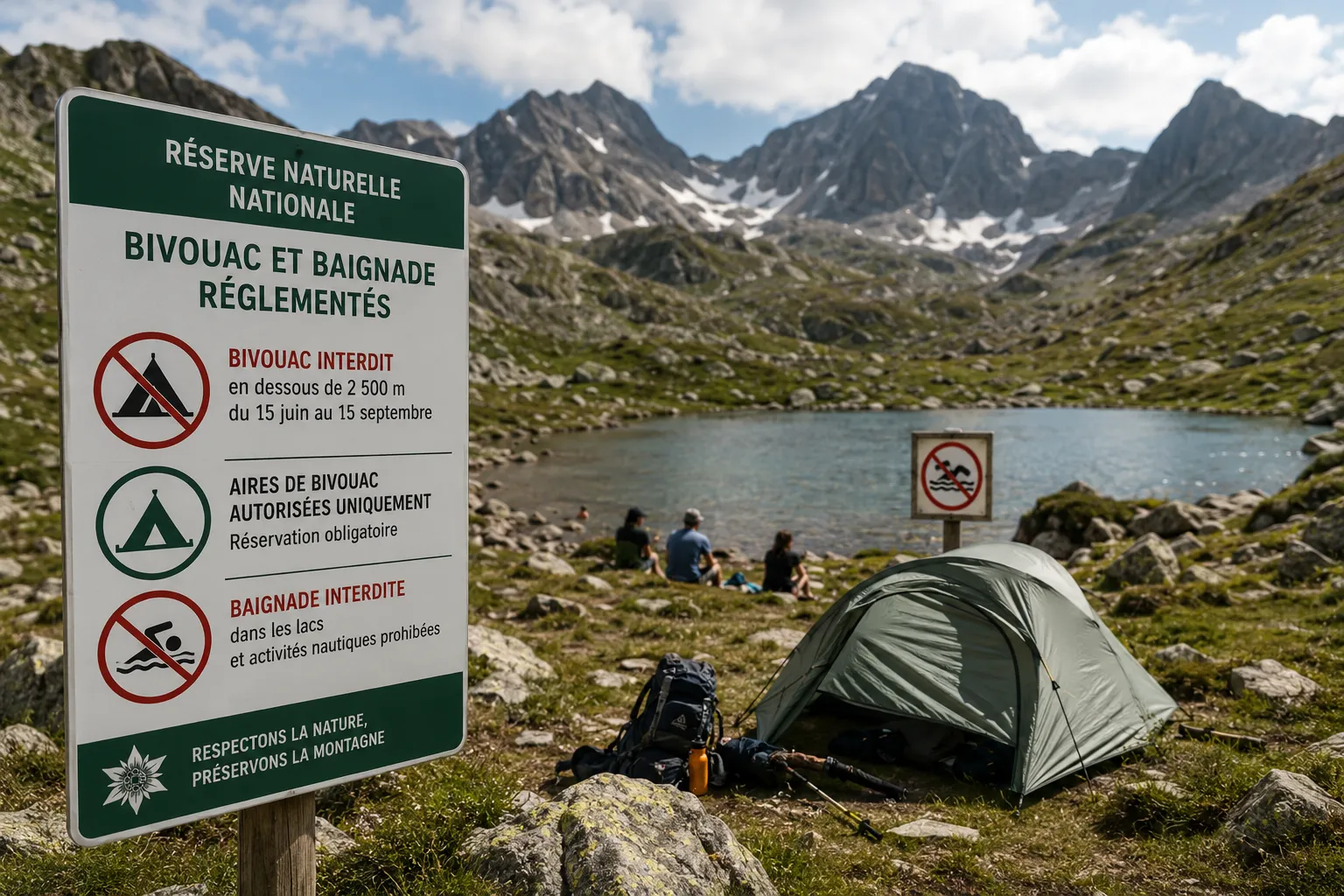
The most significant measure concerns the Contamines-Montjoie nature reserve. A prefectural decree now prohibits bivouacking below 2,500 meters altitude between June 15 and September 15.
Only certain official areas remain accessible to hikers, with a reservation now mandatory. The sectors of Giettaz, Pont de la Rollaz, and Balme are among the few zones authorized during the summer period.
Even the shelters formerly used by some hikers are now subject to this strengthened regulation.
Swimming Also Affected
Another important change: swimming and water activities are now prohibited in several mountain lakes located within the nature reserves.
This ban notably concerns the Jovet lakes, as well as certain sites in the Aiguilles Rouges, Vallon de Bérard, or Carlaveyron reserves. Authorities aim to protect particularly sensitive environments facing a very high summer visitation.
Pets are also no longer allowed to swim in certain protected sectors.
A Trend Extending Beyond the Contamines
The Haute-Savoie prefecture has extended these measures to several nature reserves in the department. In the Aiguilles Rouges or Lake Blanc sectors, bivouacking is now limited to specific zones, with defined capacities and mandatory reservations.
Authorities mention a very significant increase in visitors since 2020, making stricter management of the most sensitive natural areas necessary.
A New Way of Practicing in the Mountains
These restrictions reflect a profound change in mountain usage. Bivouacking is no longer practiced only by a few itinerant hikers, but now attracts a much larger audience, sometimes unfamiliar with the rules for protecting natural areas.
The stated objective of the reserve managers is not to ban the practice entirely but to regulate it in order to preserve particularly fragile sites. Mandatory reservations, dedicated zones, and limits on the number of tents could thus become the norm in several Alpine ranges in the years to come.
For lovers of nights under the stars, the era of impromptu bivouacking by a high-altitude lake now seems to belong to the past.
The measures mentioned in this article come from prefectural decrees published in June 2026 and information provided by the Haute-Savoie prefecture and the nature reserve managers. ==> Link to the official statement