
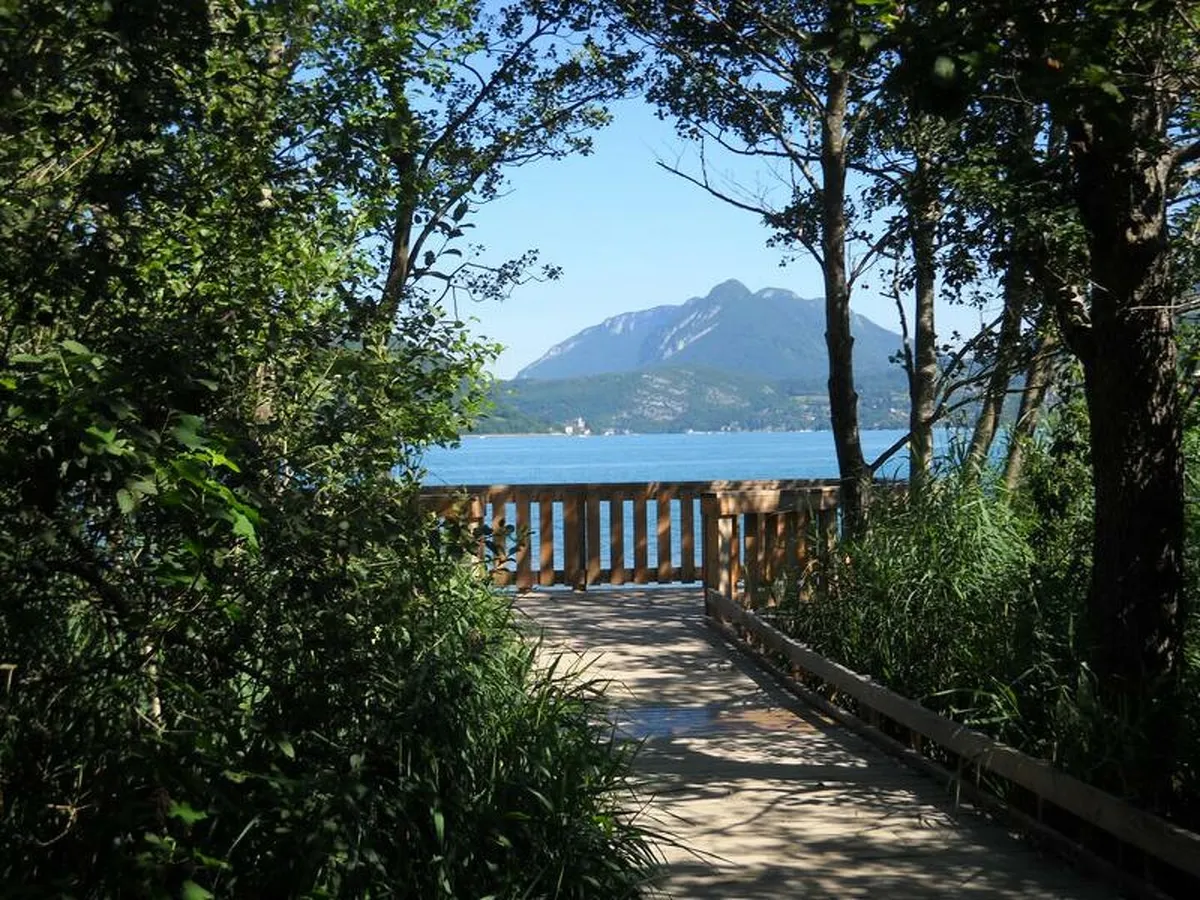
They are among the most popular spots around Lake Annecy. Shaded forests, easy trails, wetlands, coolness in summer: these natural areas attract increasing numbers of visitors each year. But behind this tourist success, the territory managers observe a trend that increasingly worries them.
Over the seasons, some natural sites have seen attendance become hard to ignore. Between walkers, athletes, dog owners, and outdoor activity enthusiasts, coexistence sometimes proves more complicated than before.
Places that have become must-visits
When temperatures rise around Lake Annecy, many visitors look for shaded and accessible areas. The nature reserves located by the lake are now among the preferred destinations.
Their success can easily be explained:
- easy-to-access trails;
- immediate proximity to the lake;
- cool areas sought after in summer;
- preserved landscapes;
- a wide variety of activities accessible to all.
This attractiveness has been increasing steadily for about ten years.
A visitation that has strongly increased
Counts conducted in certain areas show a spectacular rise in the number of visitors. In the summer period, several thousand people can frequent the same spaces in a single day. Lise Camus-Ginger, curator of natural areas for Asters, tells us: « In 2025, thanks to eco-counters installed on site, nearly 180,000 visitors were recorded at Roc de Chère and more than 190,000 at the end of the lake. Last year, we even witnessed peaks of 2,500-3,000 people during the summer».
Professionals cite several factors:
- the increase of the local population;
- the development of local tourism;
- the search for coolness during heatwaves;
- the growing popularity of outdoor activities.
This evolution is gradually transforming the experience of these natural spaces.
Multiplying uses
One of the main difficulties lies in the diversity of visitors. On the same trails, one now finds:
- families on walks;
- hikers;
- runners;
- dog owners;
- photographers;
- divers;
- climbers;
- occasional gatherers.
Each comes with their own expectations, habits, and way of enjoying nature. This diversity obviously enriches the places, but it can also cause some misunderstandings.
Trails appearing outside official routes
One of the most visible consequences concerns the multiplication of passages off marked paths. To avoid a group, reach a viewpoint, or access the lake more quickly, some visitors take shortcuts that end up creating new trails.
These repeated passages lead to:
- trampling of vegetation;
- soil erosion;
- fragmentation of natural habitats;
- increased disturbance of certain species.
In protected areas, these phenomena can quickly become problematic.
Wildlife also affected
Nature reserves are not just places for walking. They are primarily living spaces for many animal species. The periods of reproduction, nesting, or raising young make certain animals particularly sensitive to disturbance.
Managers remind that even trivial actions can have consequences:
- leaving the trails;
- letting a dog roam freely;
- approaching wild animals;
- making noise in certain areas.
The goal is not to prohibit access, but to allow sustainable coexistence between human activities and biodiversity.
Focusing on awareness rather than bans
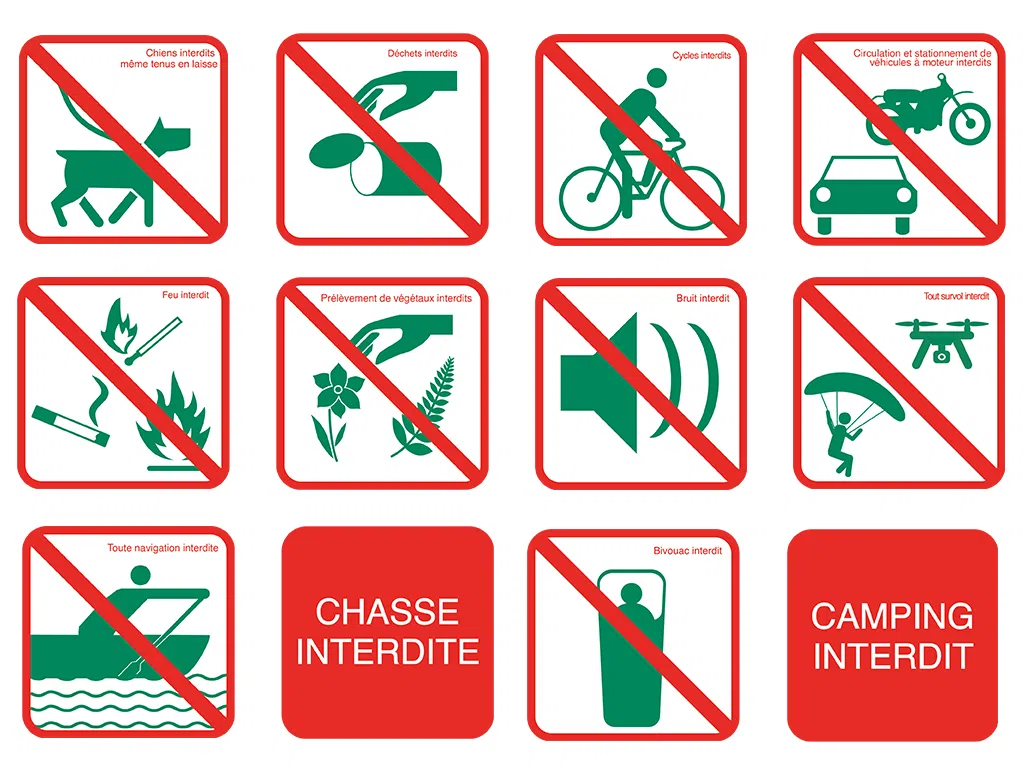
Faced with this evolution, the territory’s stakeholders now prioritize information and education. Signs, communication campaigns, nature activities, and awareness actions aim to remind visitors of a few simple rules:
- stay on marked paths;
- keep your dog on a leash when required;
- respect protected areas;
- limit noise pollution;
- preserve the tranquility of wildlife.
The challenge is to maintain access to these areas while ensuring their preservation.
A delicate balance around Lake Annecy
The success of the natural areas of the Lake Annecy reflects the attachment of residents and visitors to their environment.
But this popularity now raises a fundamental question: how to welcome ever more people without degrading what precisely makes these places beautiful?
For the managers, the answer lies primarily in a collective awareness. Because preserving these spaces today means allowing future generations to continue enjoying these rare, still preserved natural areas around the lake.