
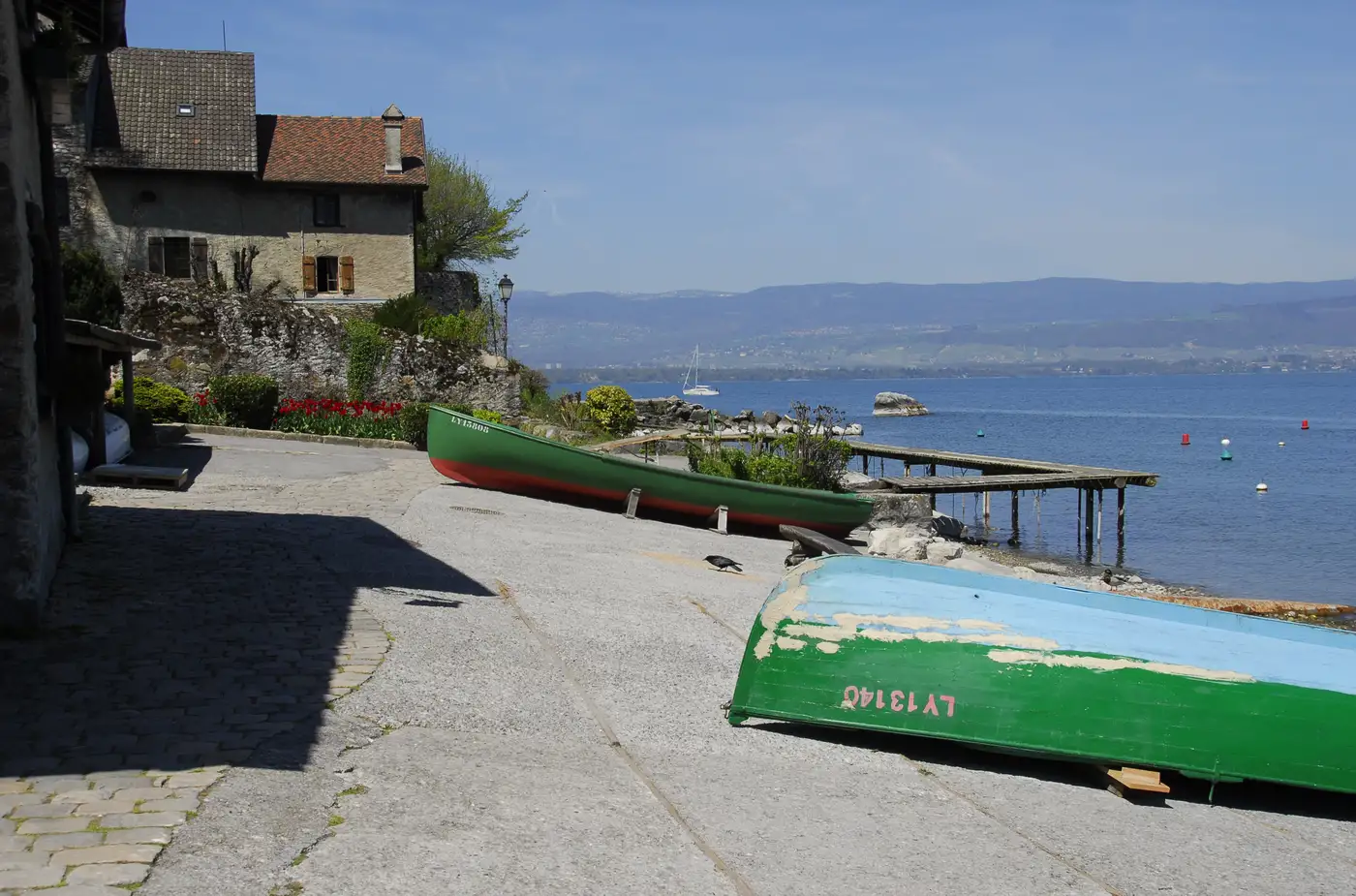
Domain of picturesque alleys and a rich historical past, the fortified medieval village of Yvoire is a true gem of the Savoie Mont Blanc region. Strolling through its streets allows you to dive into the heart of the 14th century while enjoying cultural activities and preserved nature. You’ve understood, visiting Yvoire is a must for any stay in Haute-Savoie.
Yvoire, a medieval jewel on the shores of Lake Geneva
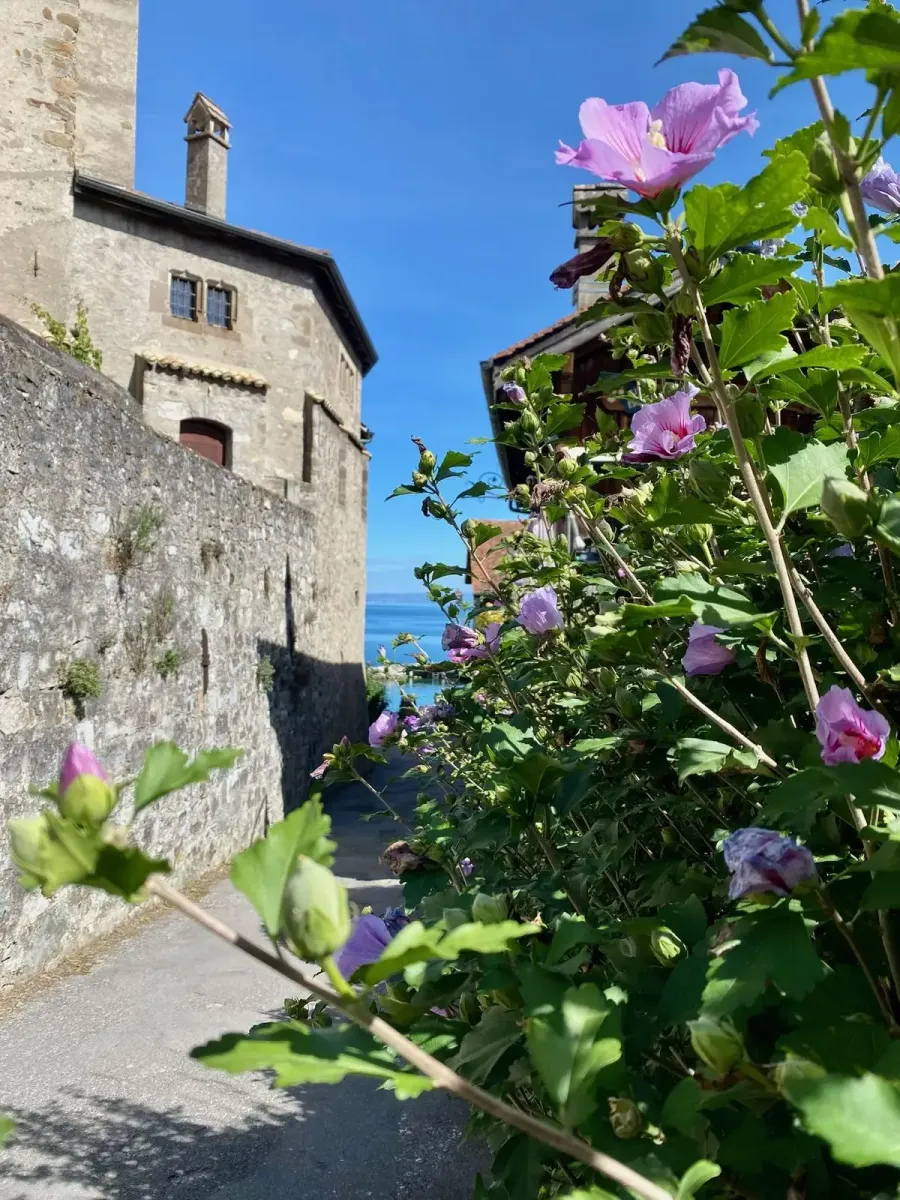
Yvoire, located on the shores of Lake Geneva in the French Chablais, is a flowered fortified medieval village whose history dates back more than 700 years. Its strategic position on a rocky point gives it a unique charm and a timeless atmosphere. Despite the disappearance of its original fortifications, it has managed to preserve its heritage and authenticity.
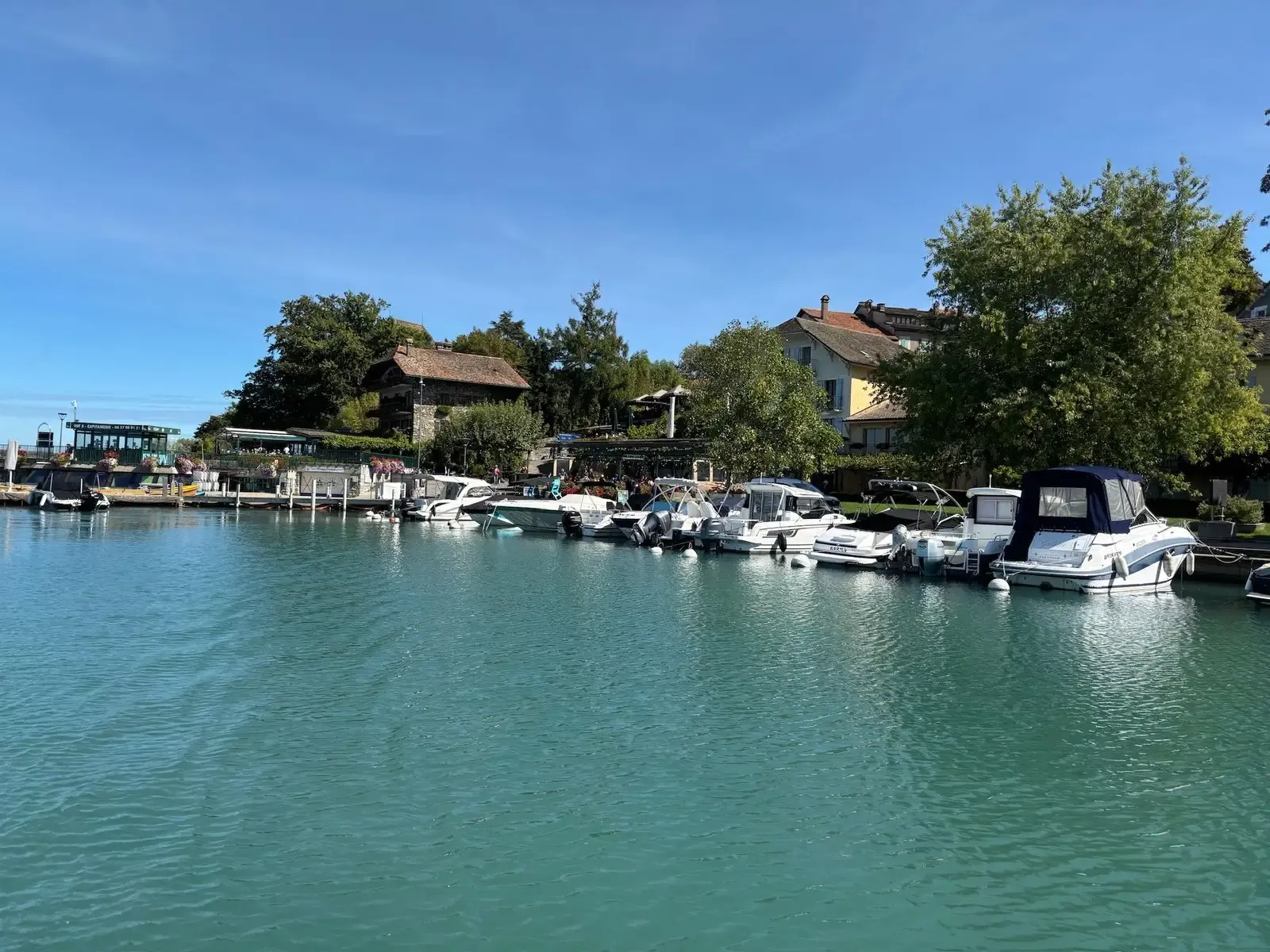
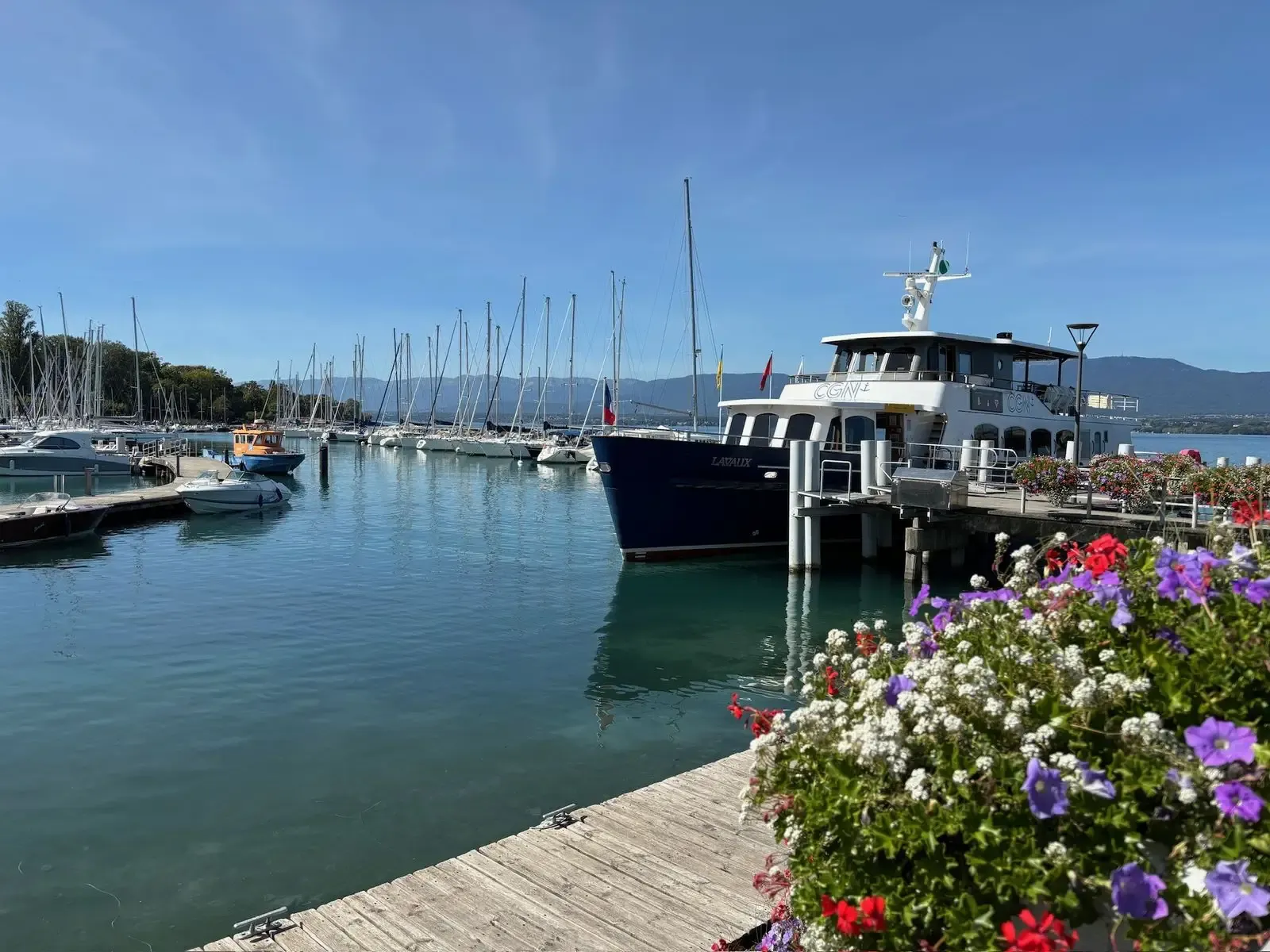
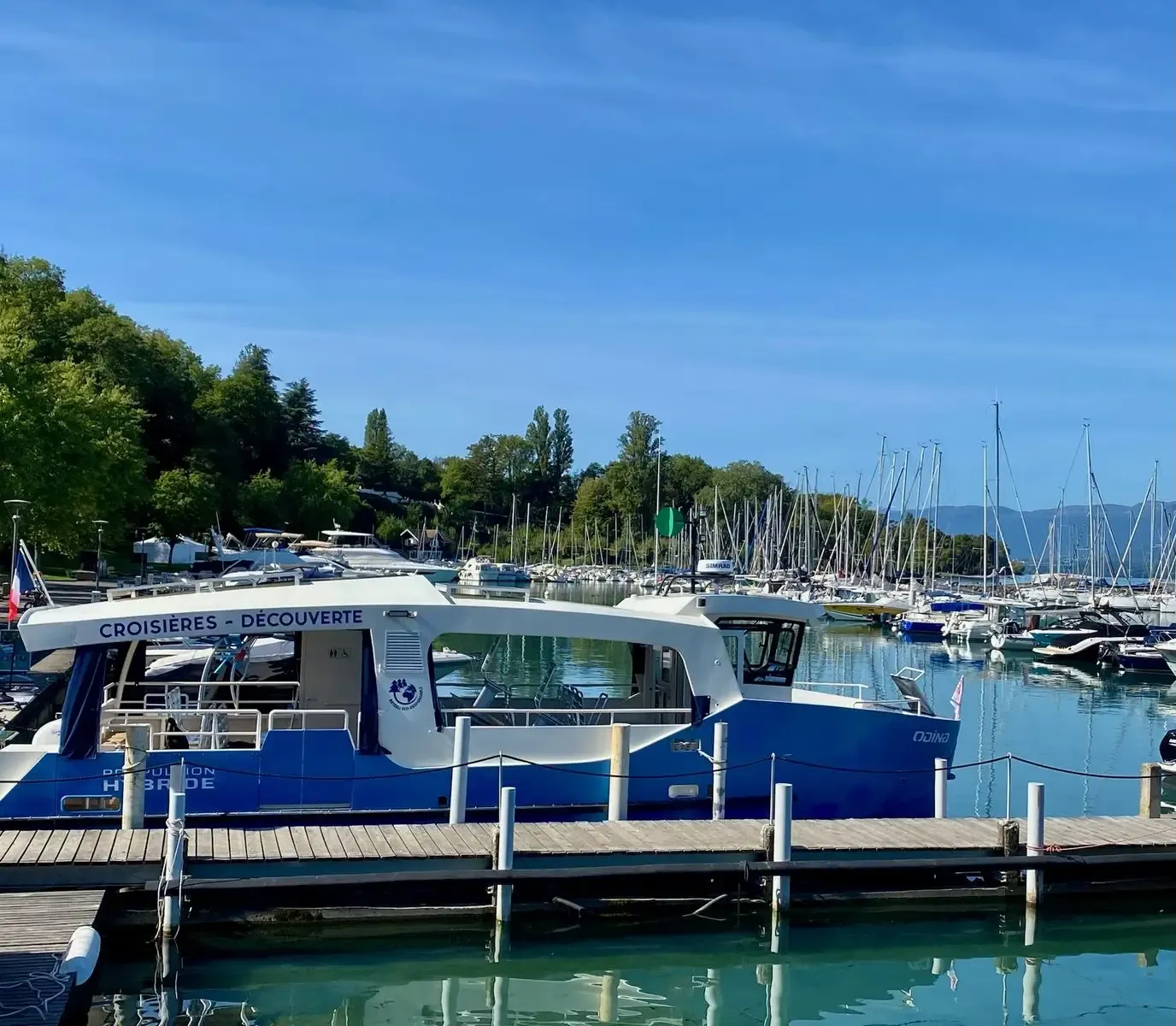
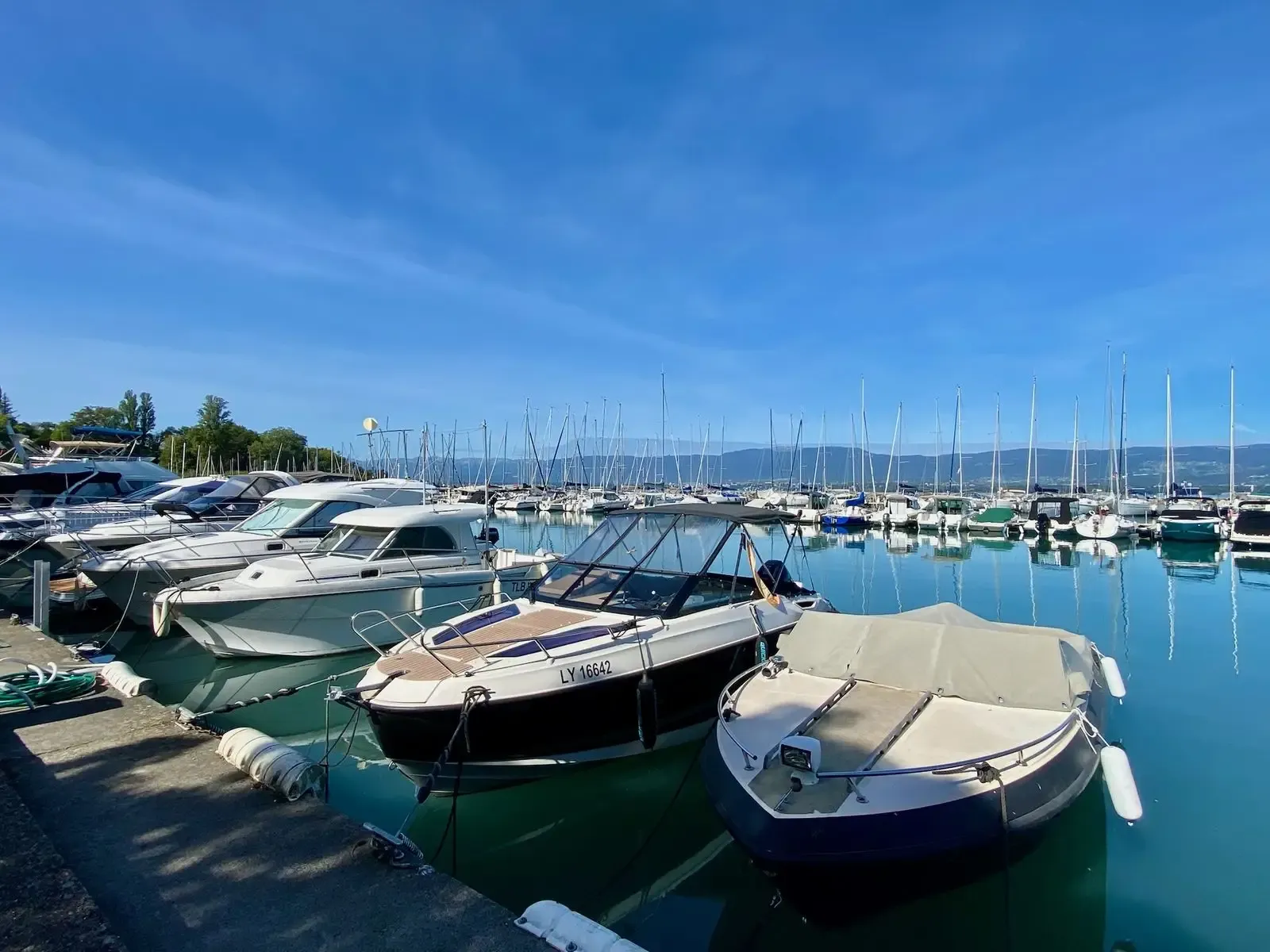
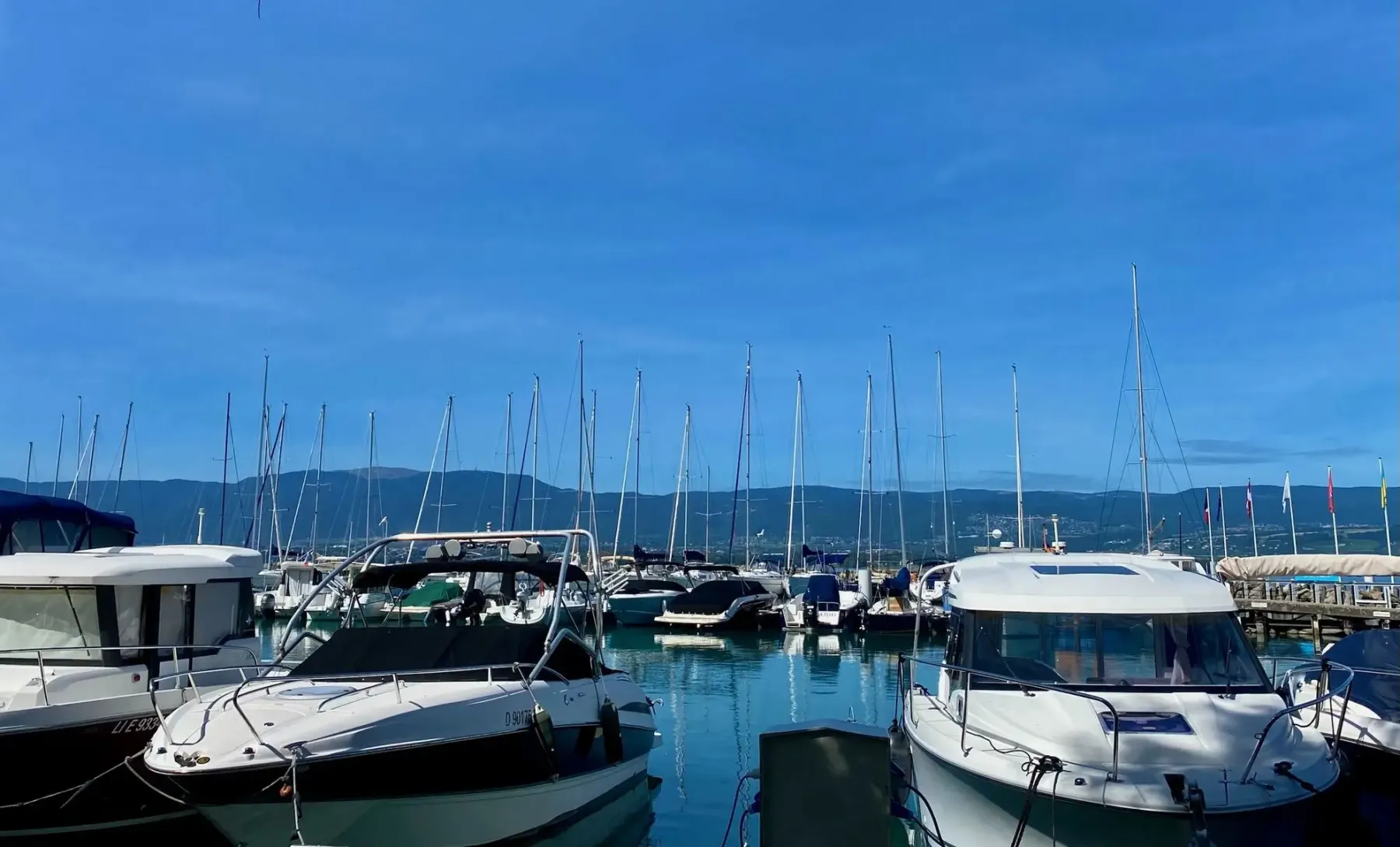
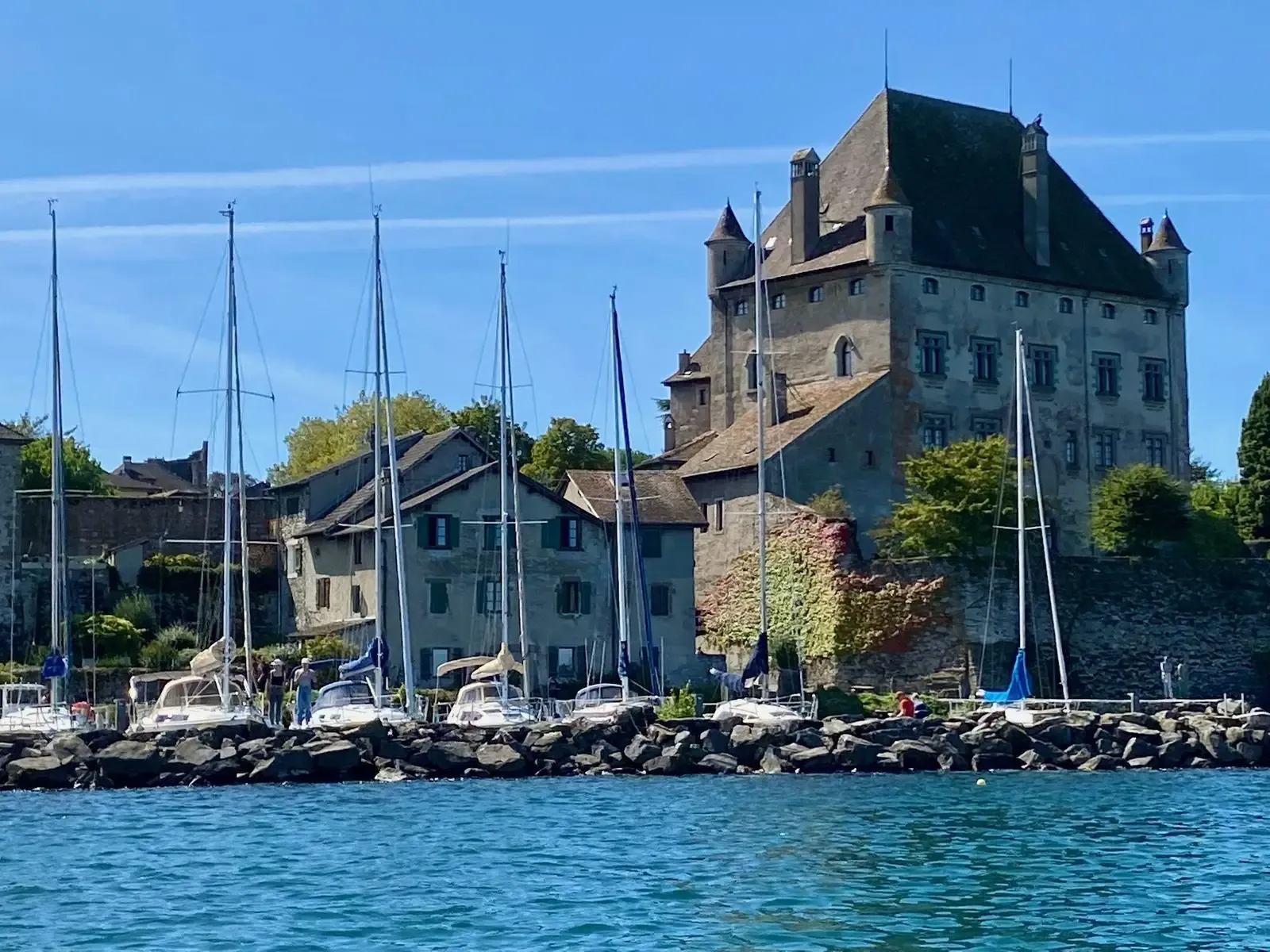
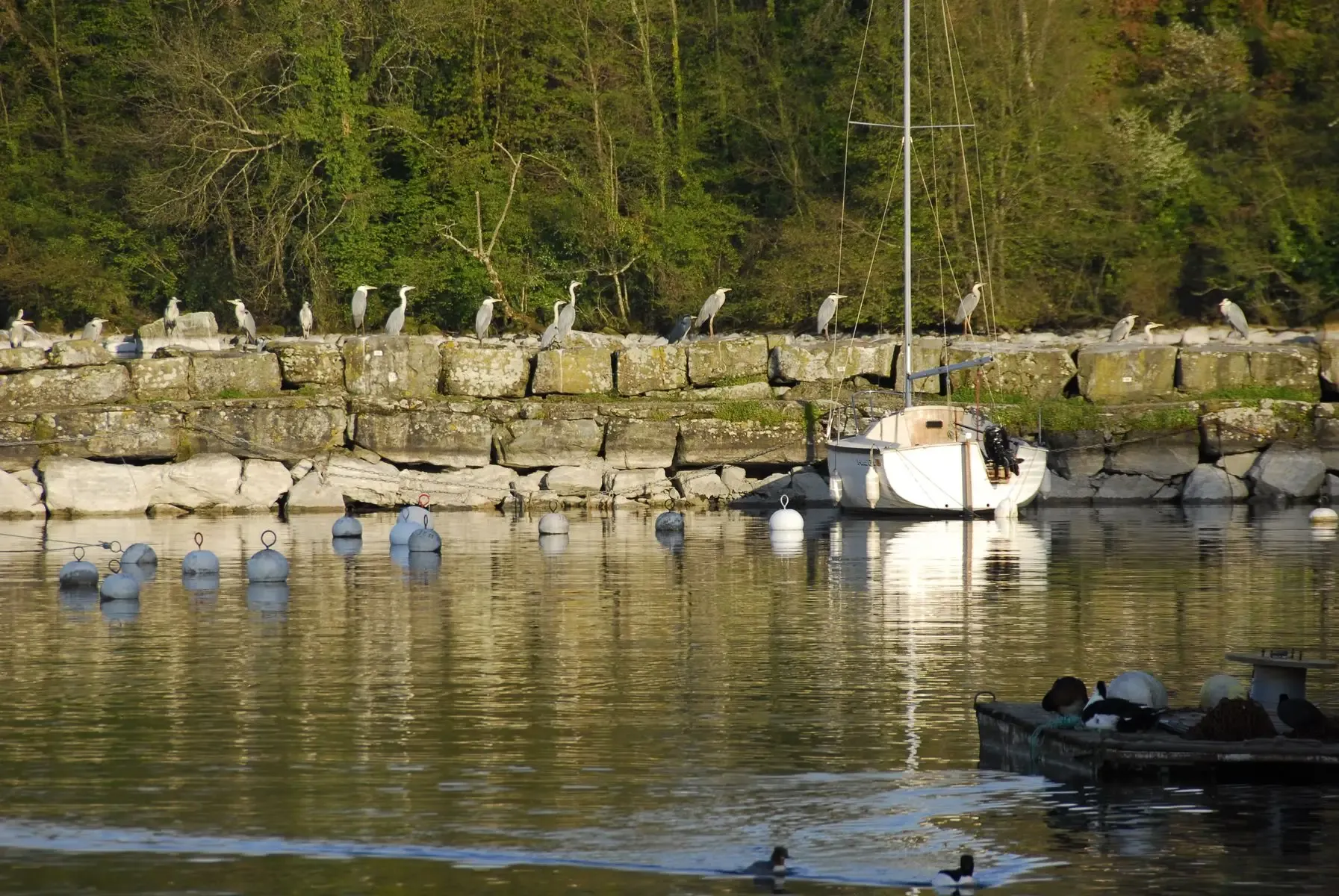
Yvoire is a village with picturesque alleys that also offers a small marina to boating enthusiasts and also serves as a starting point for boat rides on the lake.
Discovering Yvoire, a cherished historic site
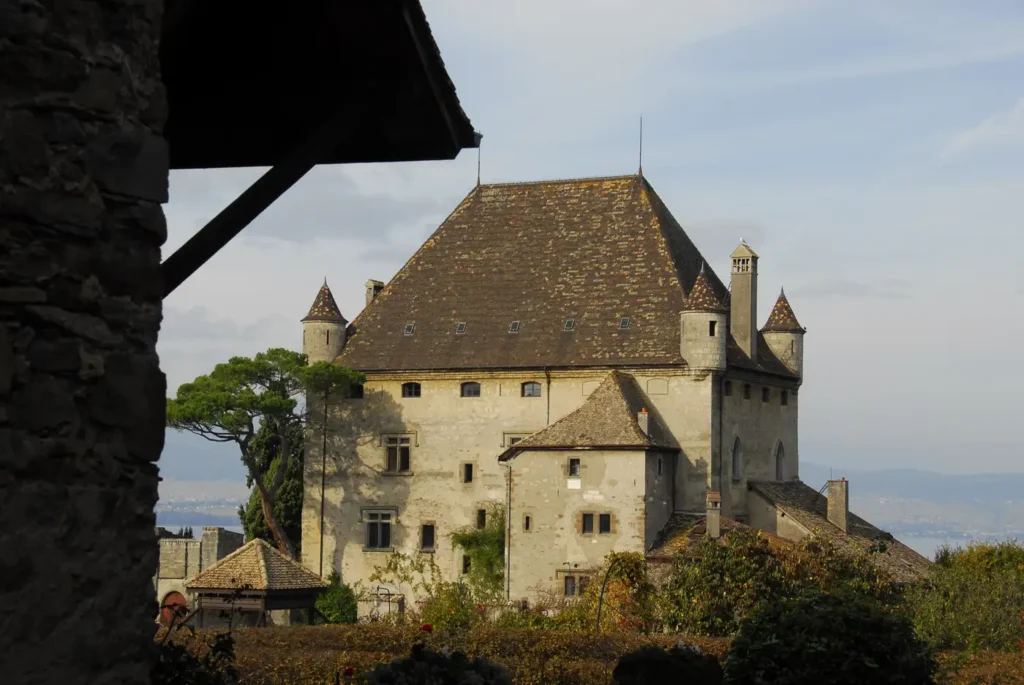
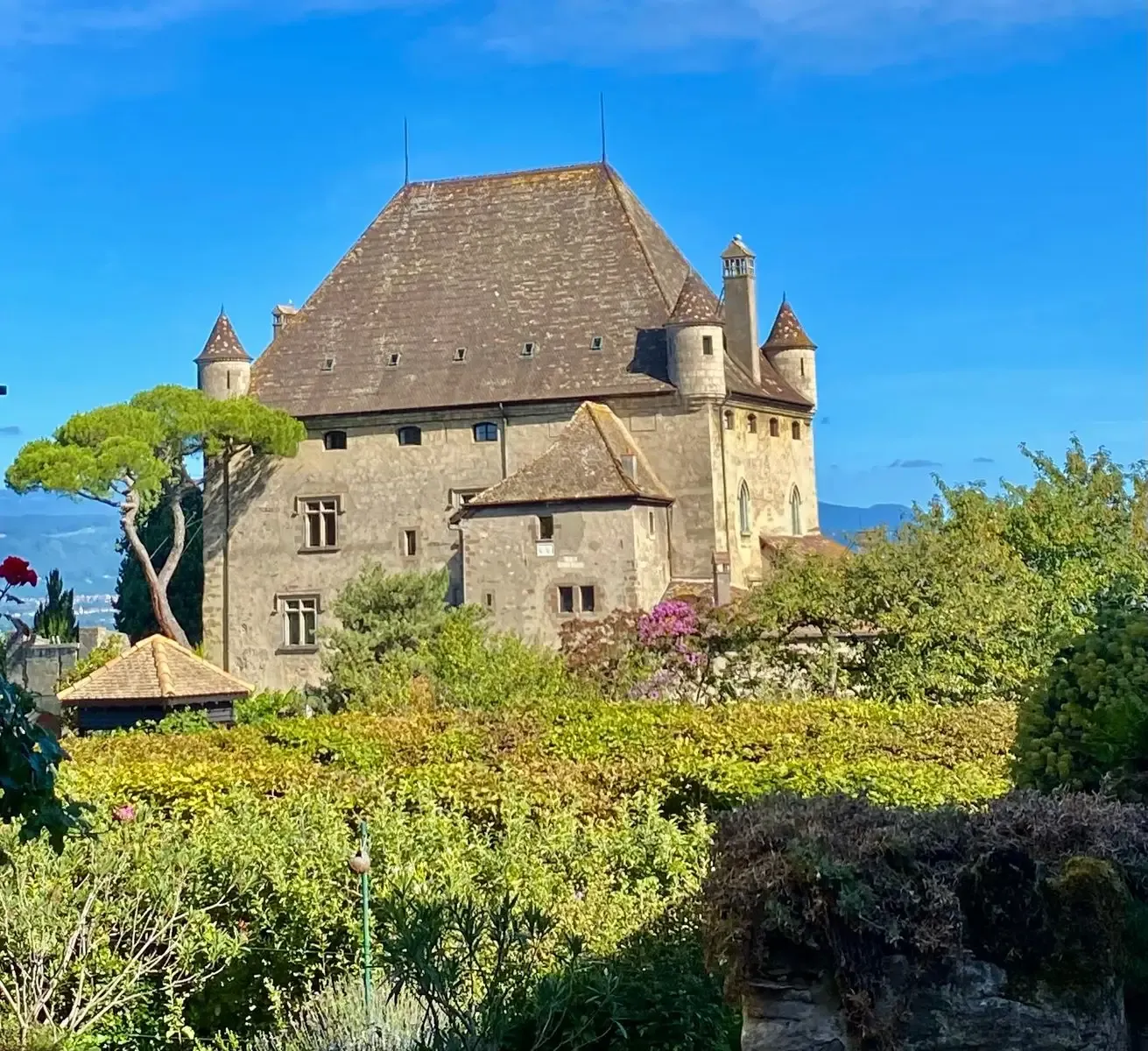
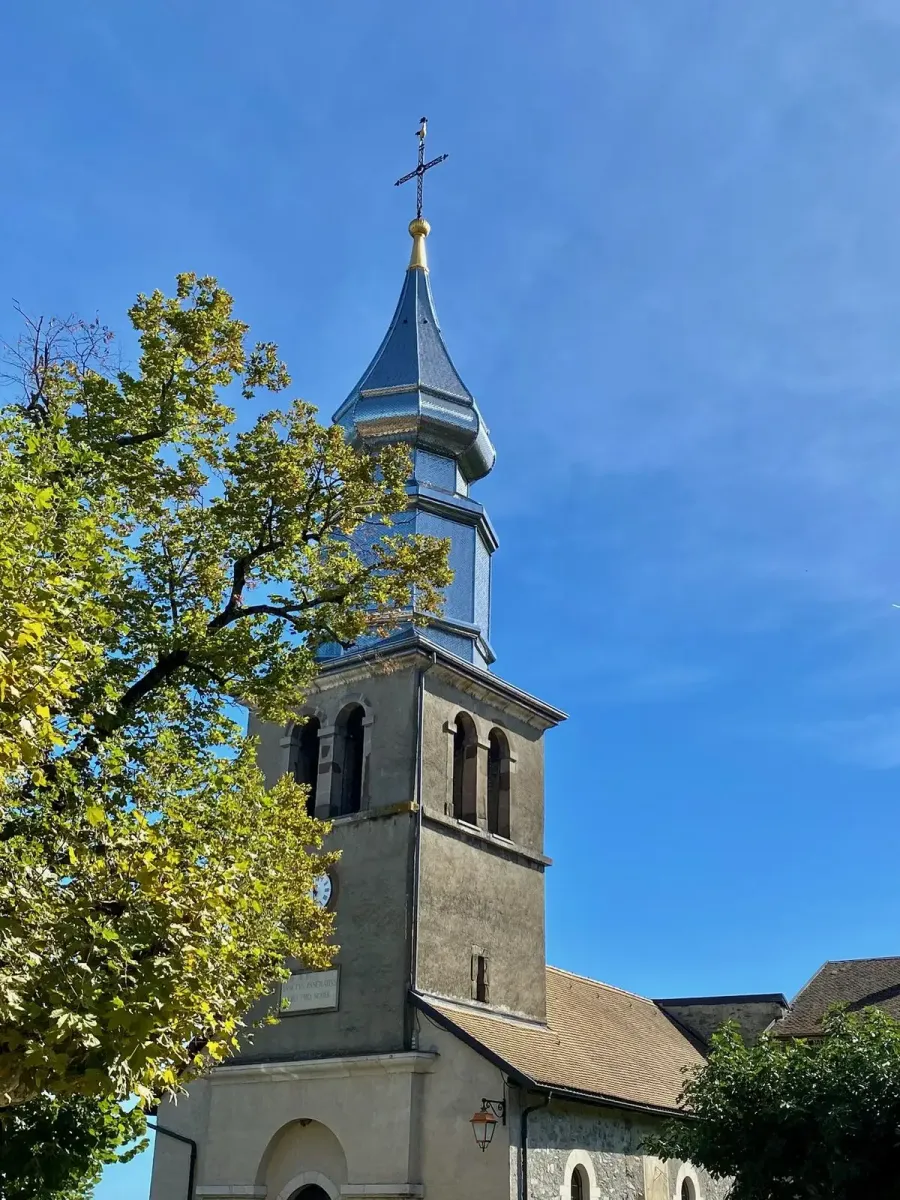
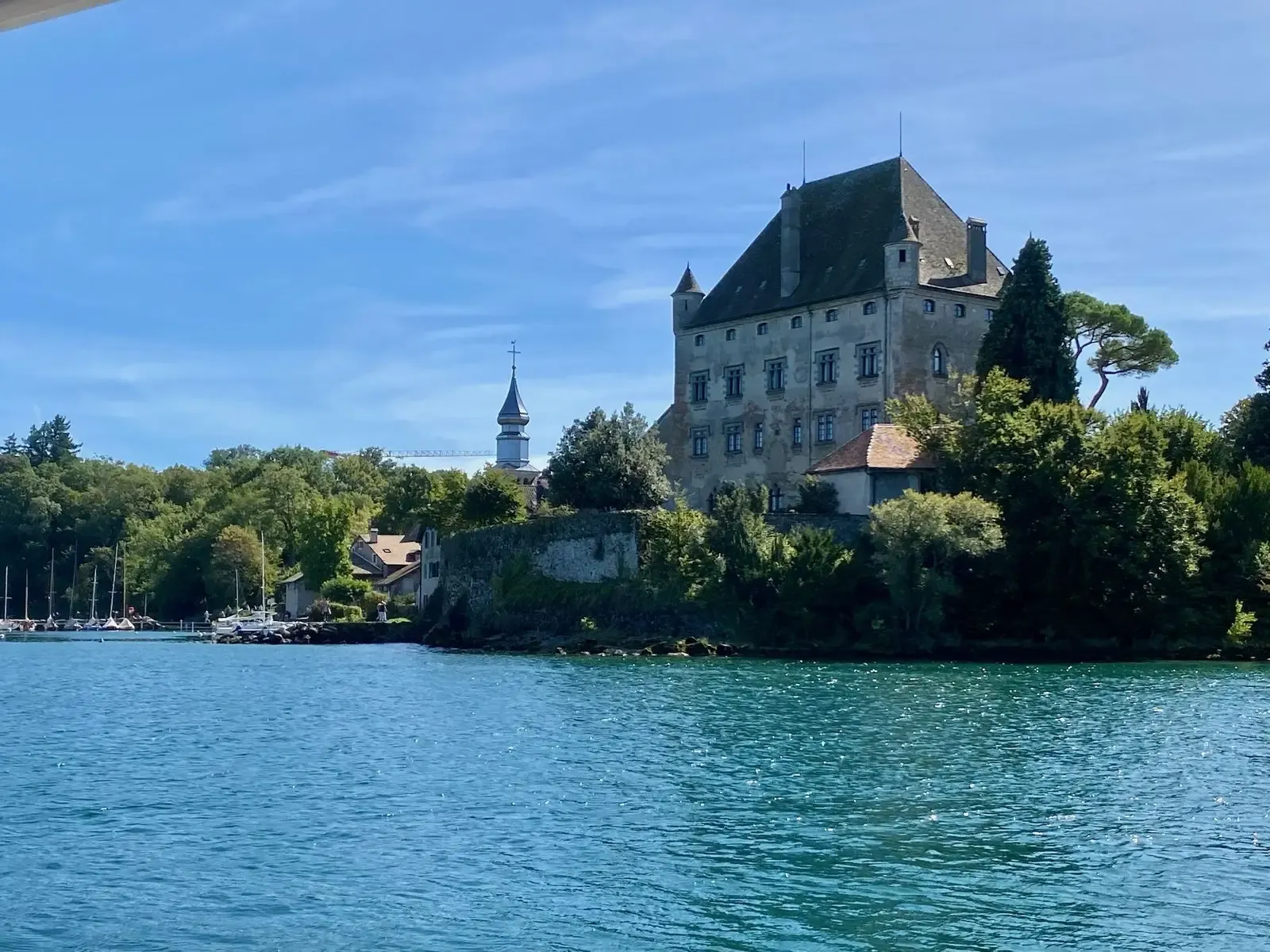
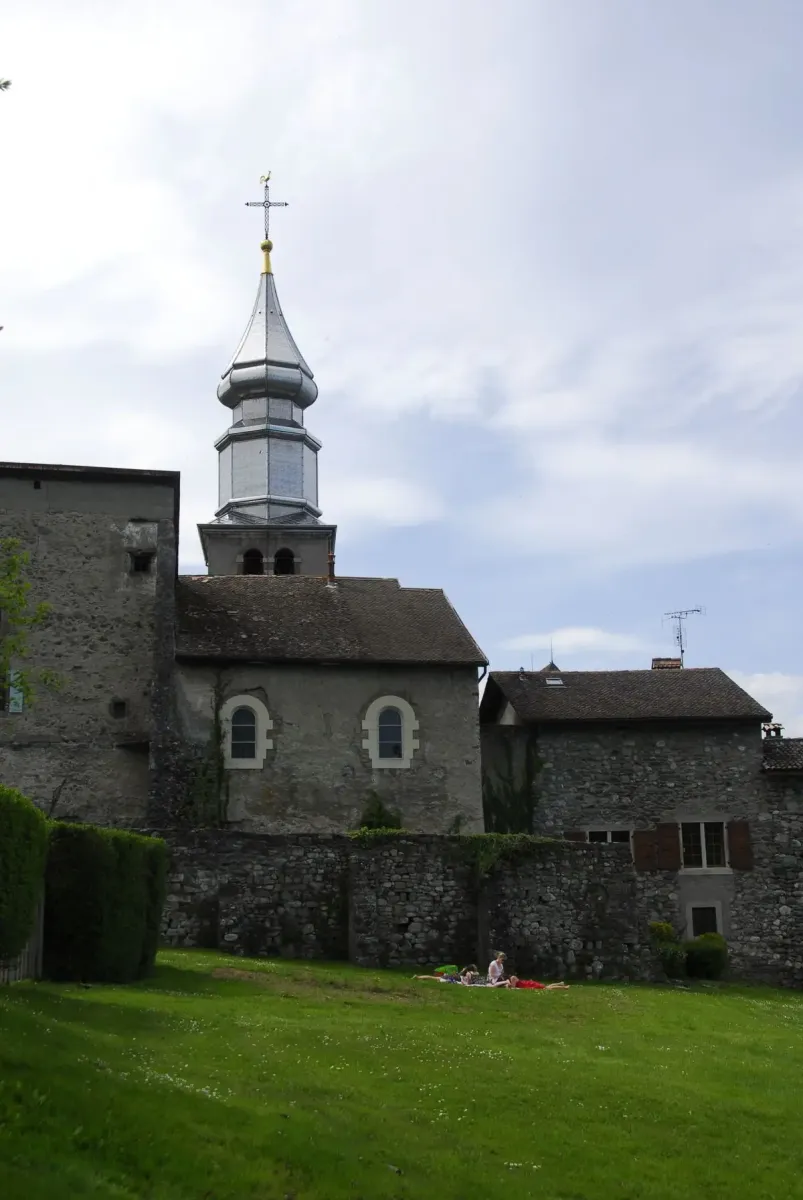
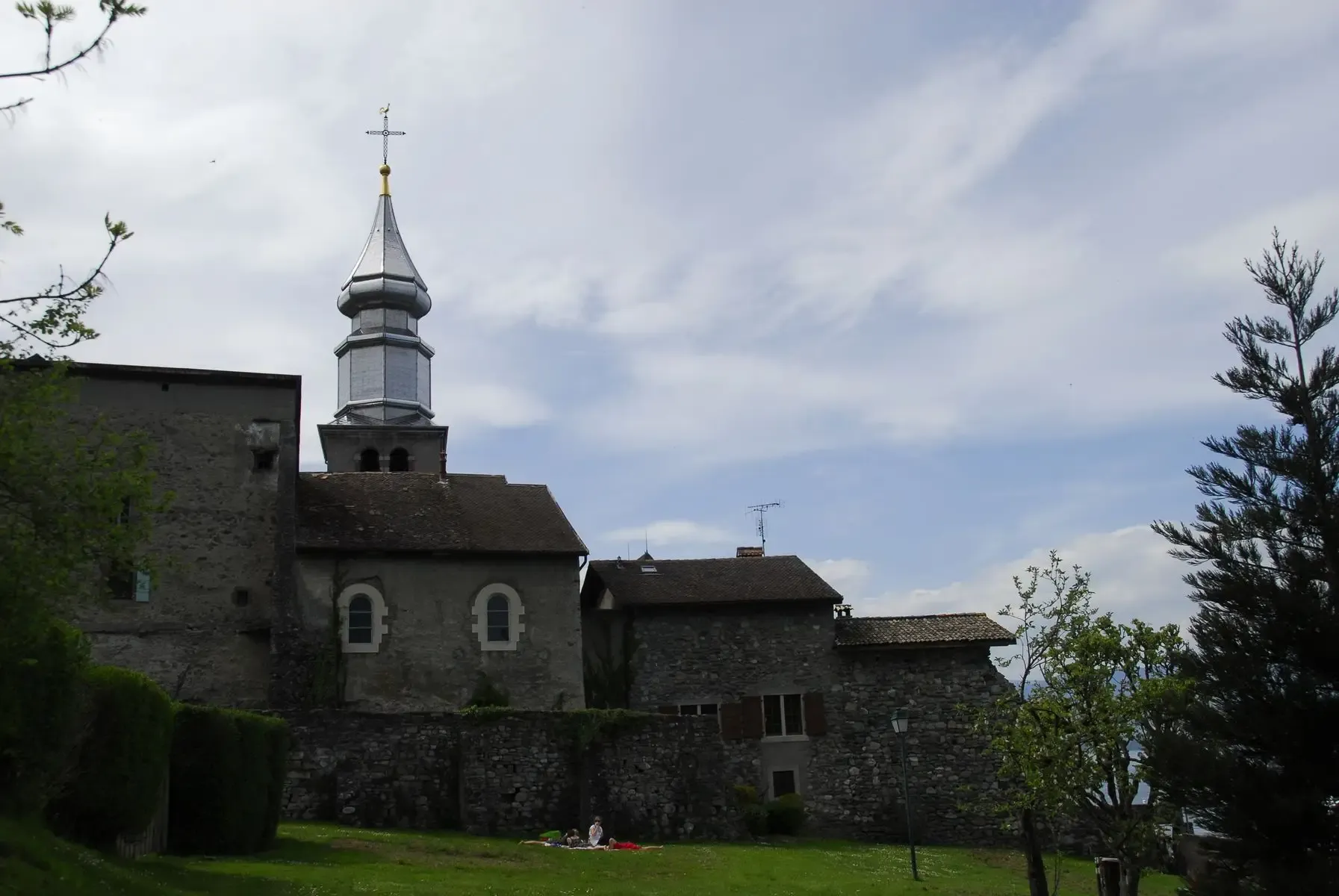
Ranked among the most beautiful villages in France, Yvoire is home to the famous Château d’Yvoire and Saint-Pancrace Church, bearing witness to the medieval heritage. A guided or self-guided tour of this fortified medieval village reveals ramparts and historic gates, such as the Porte d’Amédée, as well as an exceptional panorama from the Léman balcony.
A flowered village repeatedly awarded
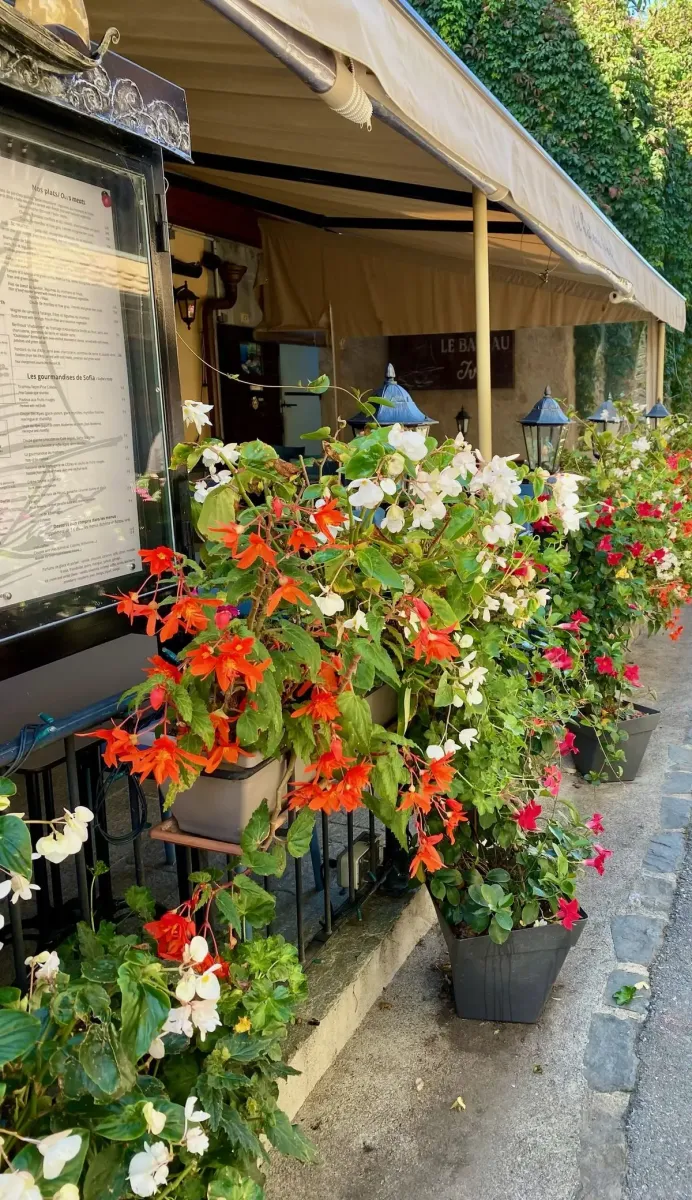
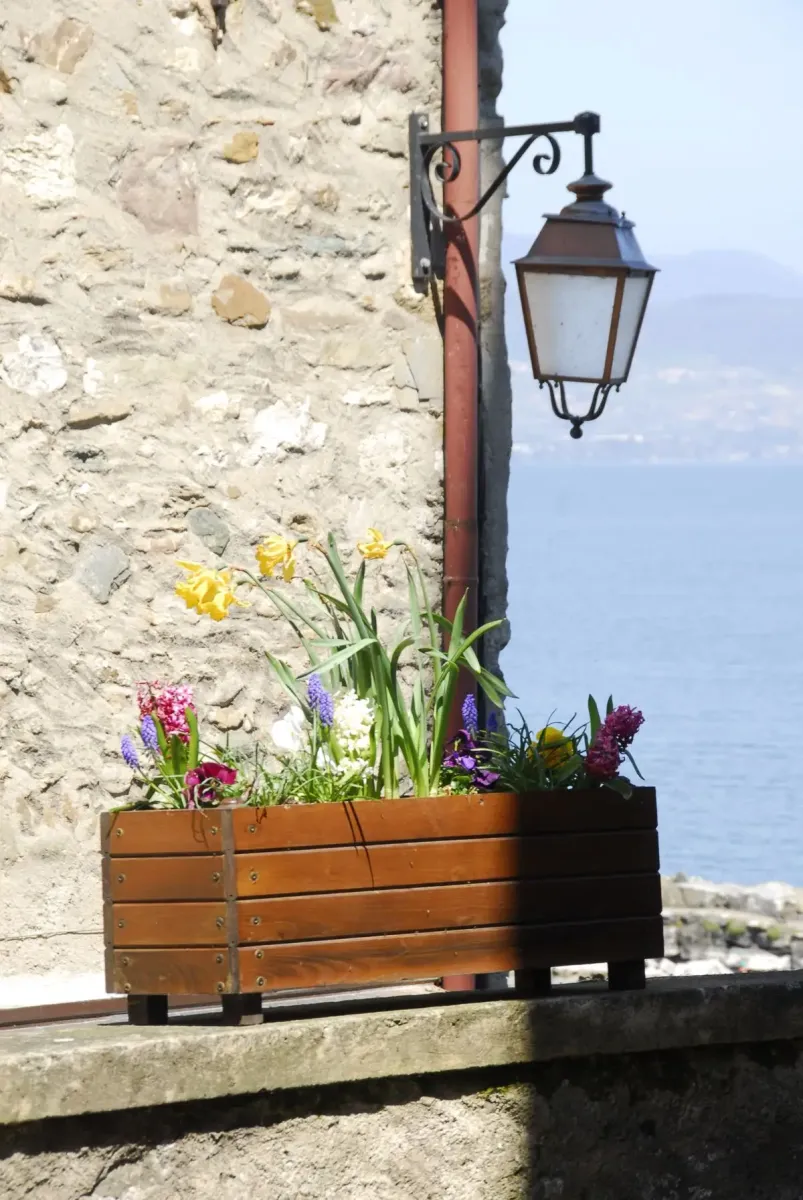
Since 1959, Yvoire has stood out for its exceptional flowering. It is ranked 4 flowers in the Competition of Flowered Towns and Villages and has received several prestigious distinctions:
- National Grand Prize for flowering since 1995.
- Silver medal at the European Flowering Competition in 2002.
- Regular maintenance and continuous commitment to beautify the village.
These efforts contribute to making Yvoire a place where nature and heritage harmoniously combine.
The Garden of Five Senses, classified as a remarkable garden
In the heart of the village, the Garden of Five Senses, a site classified as a remarkable garden, offers a sensory experience blending botany and topiary art, at the foot of the imposing Château d’Yvoire. It invites the visitor to a sensory walk through more than 1,500 varieties of plants. Inspired by medieval gardens, it offers spaces dedicated to each of the senses: touch, smell, taste, sight, and hearing. This attraction is an essential stop for anyone wishing to visit Yvoire by combining discovery and wonder.
To read: The Garden of Five Senses in Yvoire
A romantic and cultural getaway
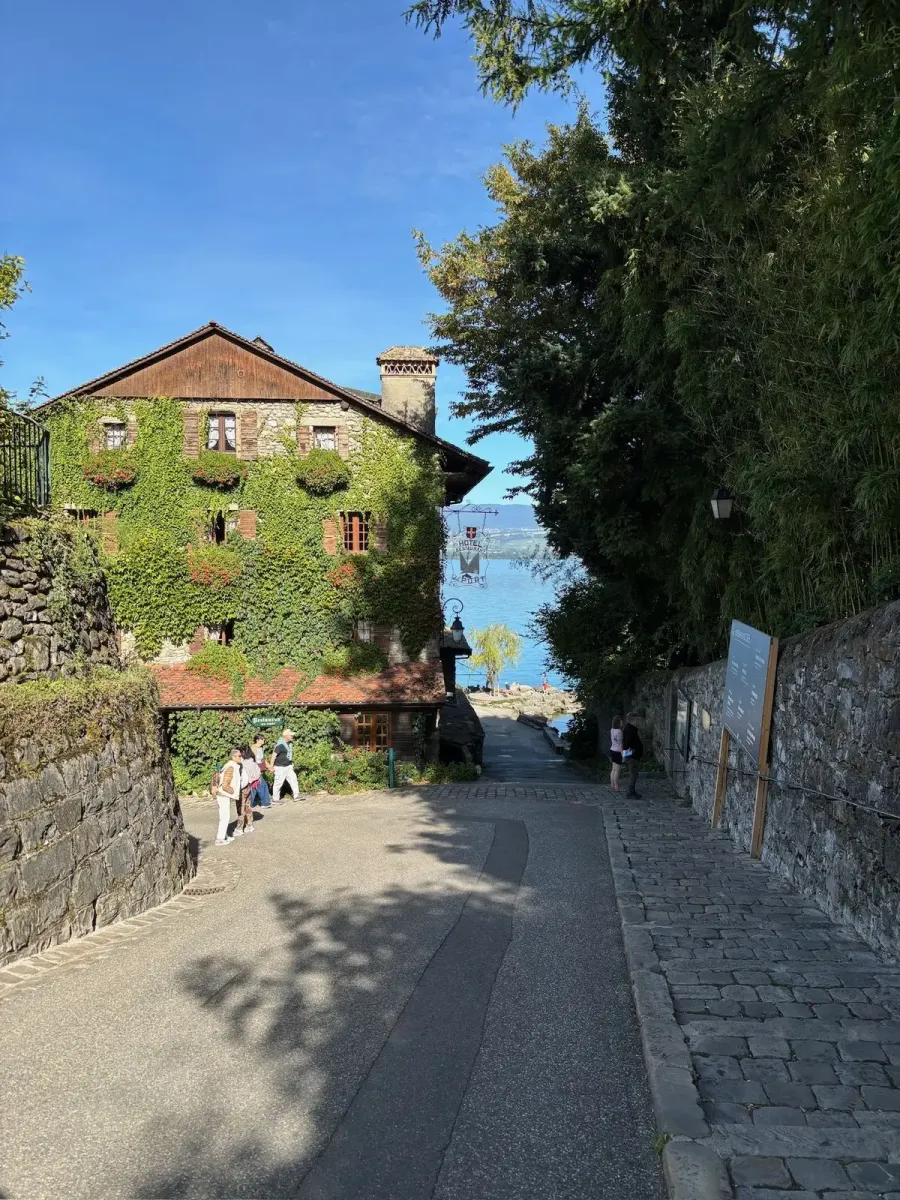
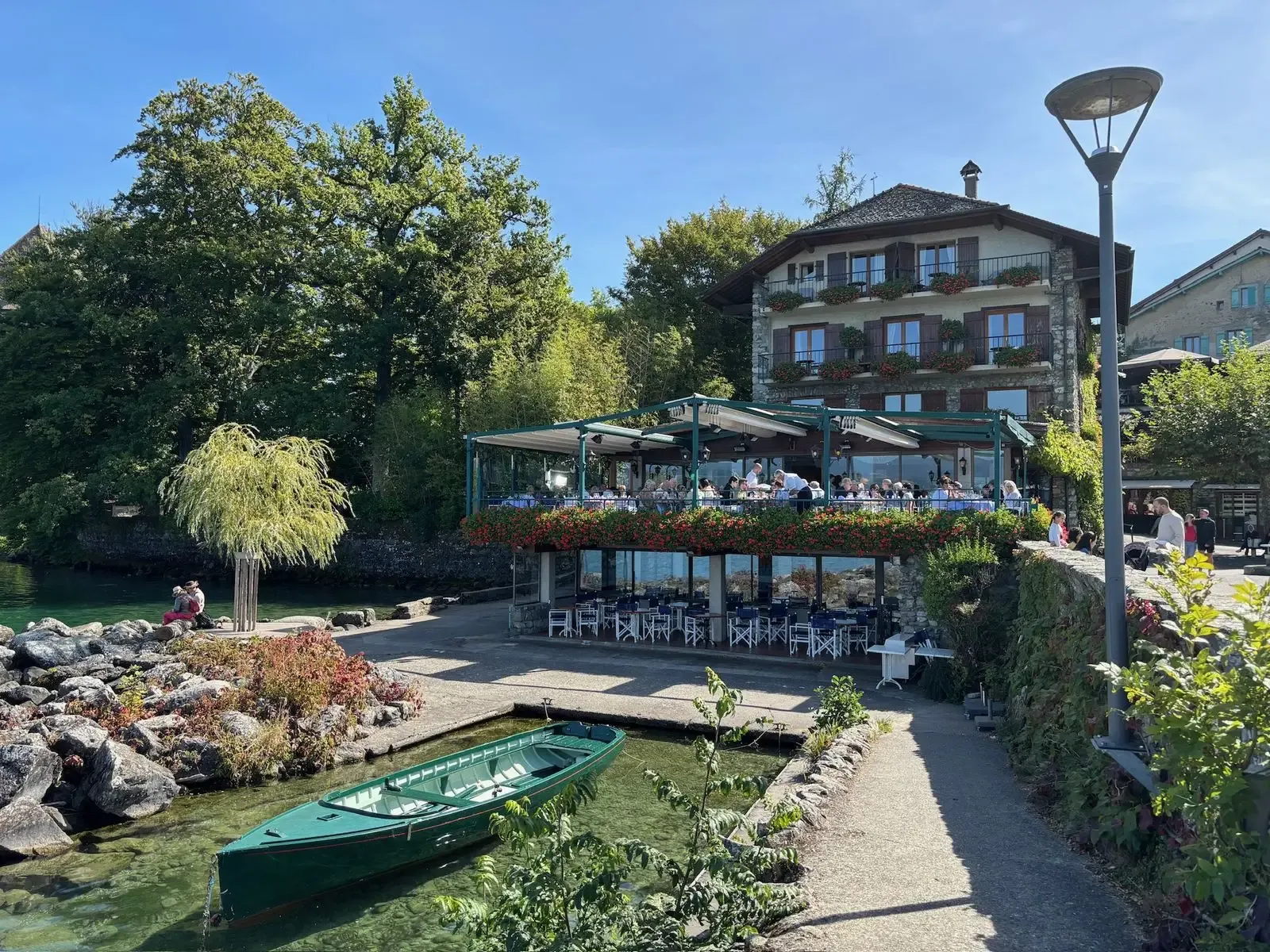
Yvoire is an ideal destination for a romantic getaway or an immersion in local history. Its cobbled alleys lined with flowered houses, its picturesque port, and its views over Lake Geneva make it an enchanting setting for an unforgettable visit. To fully enjoy the romance of the town, it is advisable to favor the low season (autumn and early spring) for visiting Yvoire.
Water activities and events not to miss
With its marina and cruises on Lake Geneva, Yvoire is a favored destination for boat enthusiasts. Moreover, cultural events, such as festivals and exhibitions, punctuate village life, making Yvoire a lively and engaging place in every season.
What to see and do in Yvoire?
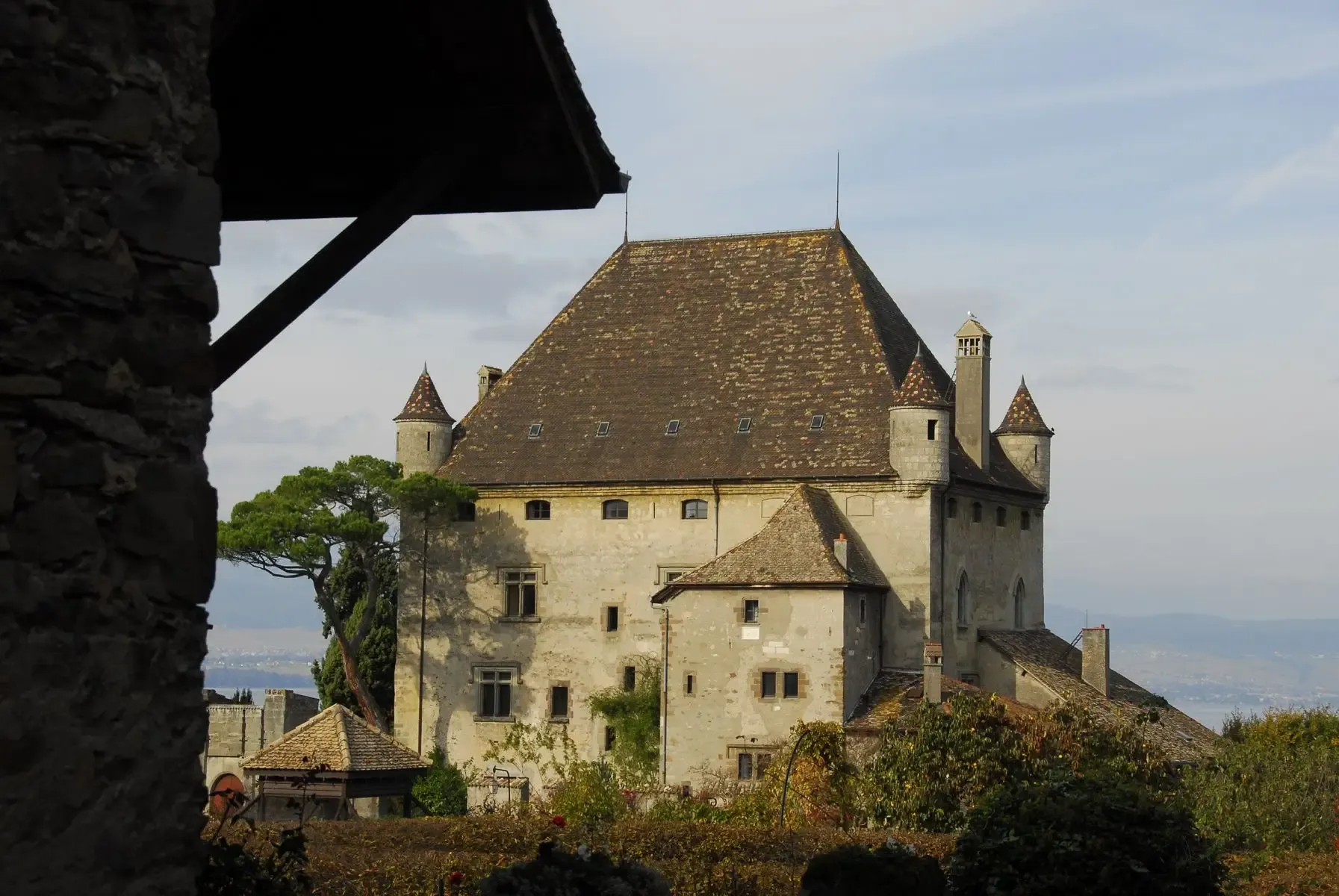
- The Château d’Yvoire: This private 14th-century castle still proudly dominates the village and the lake.
- The Garden of Five Senses: A garden inspired by medieval design offering a unique sensory experience.
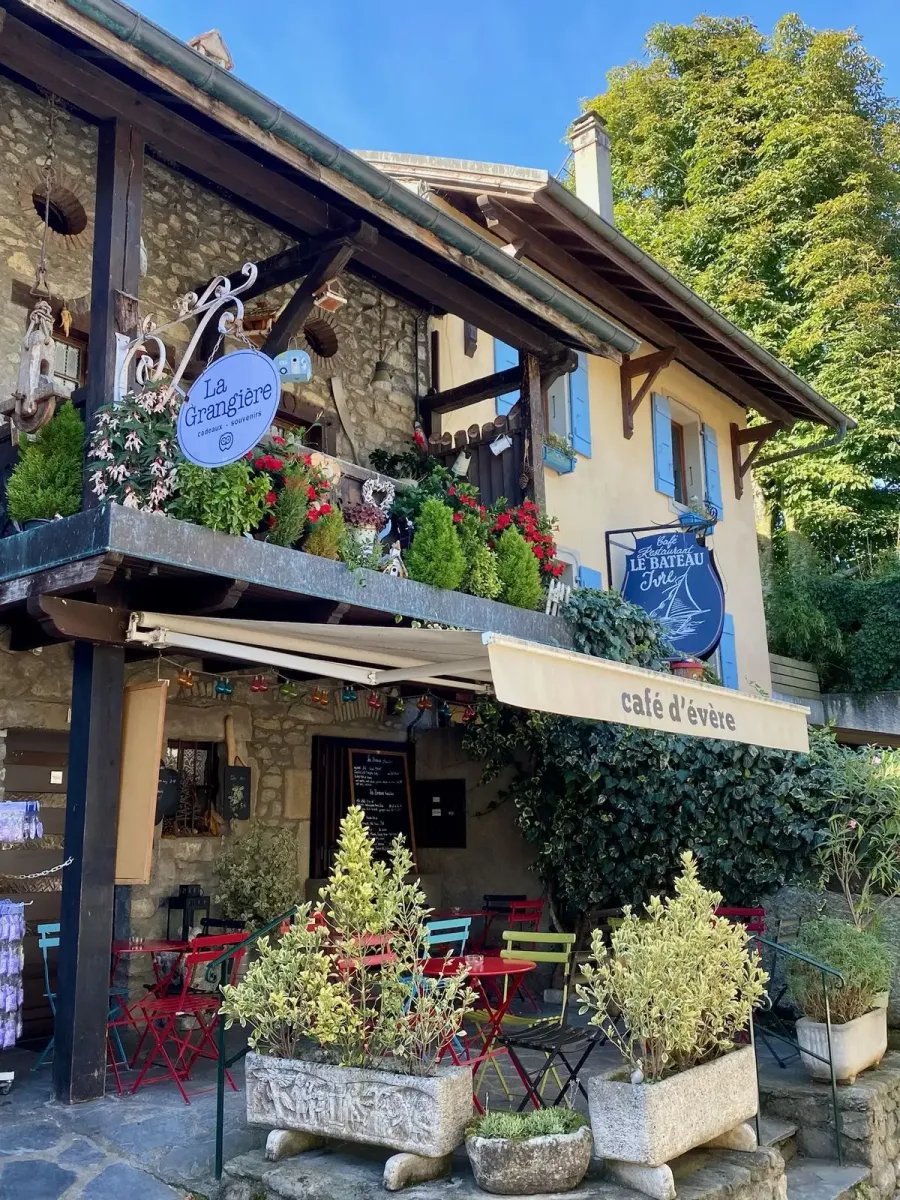
- Flowered alleys: Walk around the village and discover its artisan shops and flowered facades.
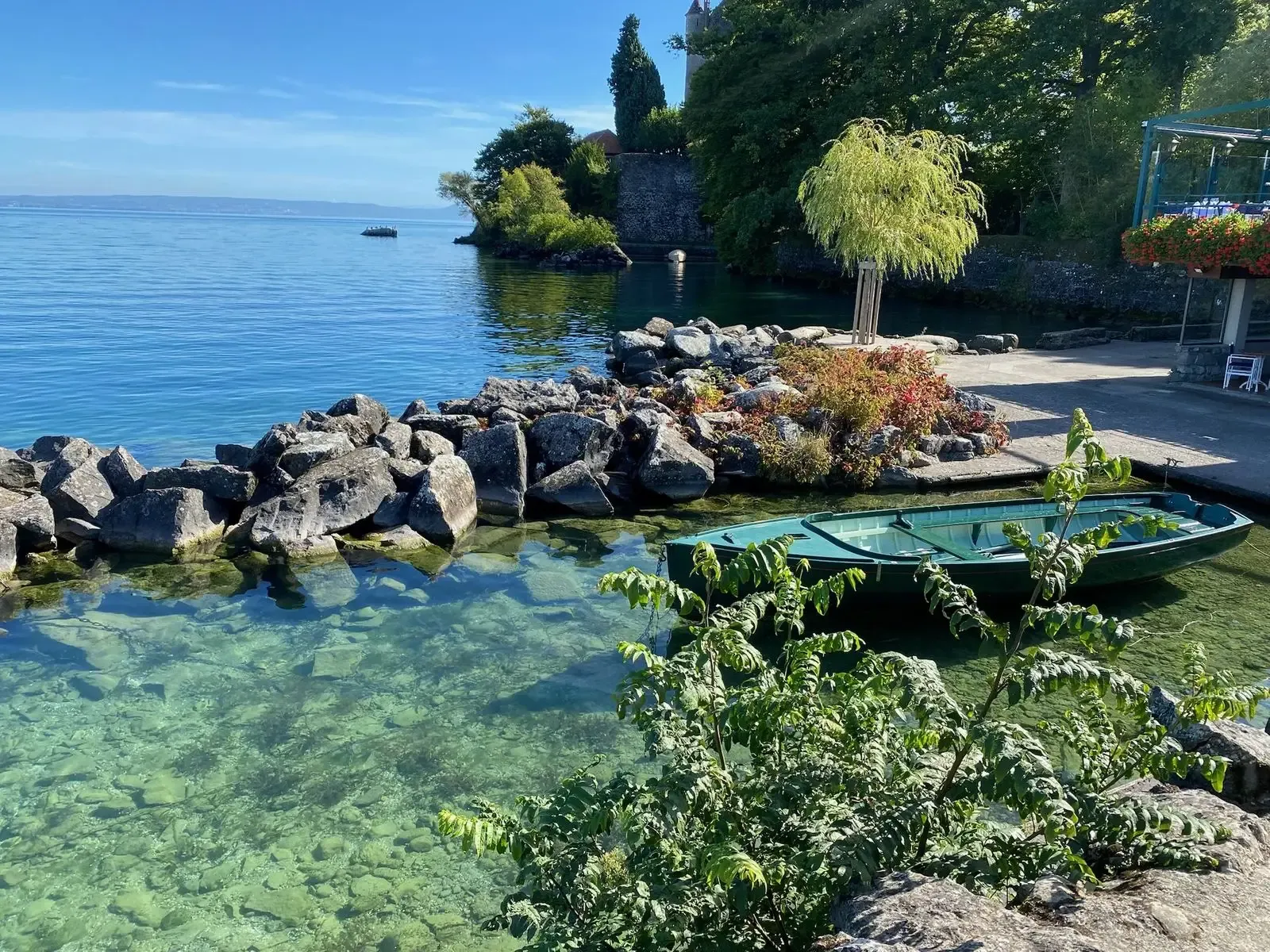
- Walks by the lake: enjoy the quays and beaches for relaxing moments.
- Lake Geneva cruises: boat connections allow access to the Swiss shores, especially Nyon and Geneva.
- Events and entertainment: Check the official town hall website (yvoire.fr) for the latest local news and events.
- Rovorée Domain – La Châtaignière: 1.5 km from the village, this natural site offers shaded trails and viewpoints over the lake.
- Local gastronomy: taste Savoyard specialties in the village’s restaurants.
Accommodation and gastronomy: Where to stay and what to eat in Yvoire?
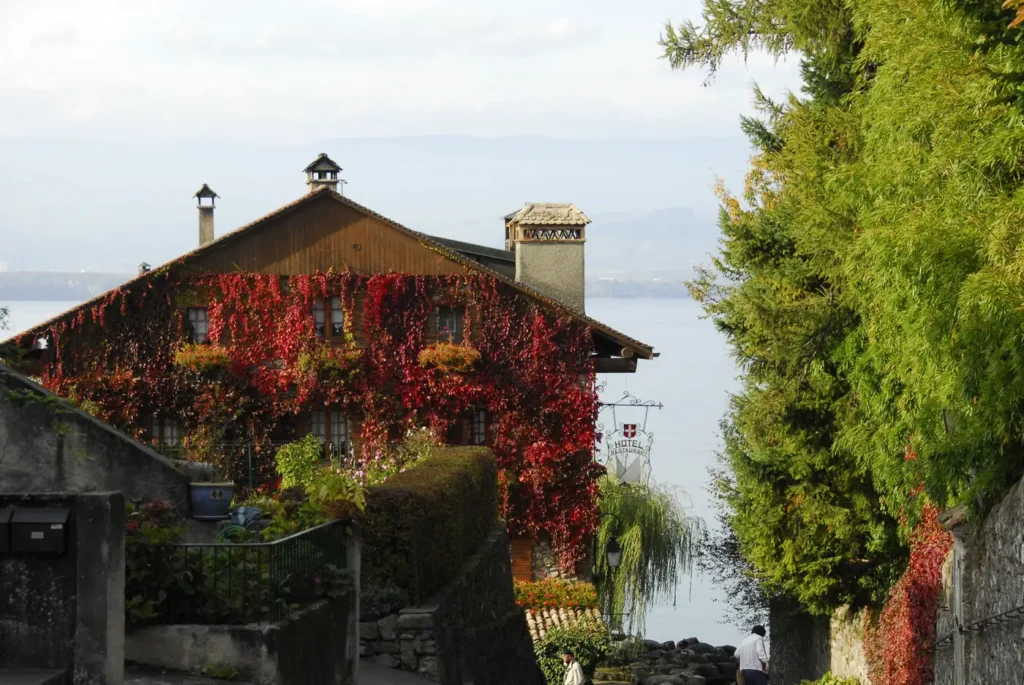
For a memorable stay, many hotels and restaurants, such as Hôtel du Port and Hôtel Restaurant le Pré de la Cure, line the village, some offering views and access to the shore of Lake Geneva. Local gastronomy is enjoyed in these establishments where Savoyard cuisine is highlighted.
Getting around Yvoire and the best times to visit Yvoire
Discovering Yvoire on foot allows one to savor the charm of its flowered alleys to the fullest. For lovers of bike rides, cycling routes are accessible. The best period for a visit combining tranquility and mild weather is between spring and autumn, when the flowering reaches its peak.
- Access: Yvoire is located about 30 minutes from Geneva and 1 hour from Annecy.
- Parking: paid parking lots are available at the entrance of the village.
- Ideal period: spring and summer to enjoy the flowering and water activities. Be aware of heavy traffic, arrive early.
- Small advice: Check the weather before visiting Yvoire, as the lakeshore can be cool even in summer.
How to prepare your trip to Yvoire?
To prepare your stay, the Yvoire Tourist Office offers practical information, accommodation, and advice. With boat schedules in direct connection from Thonon-les-Bains or Nyon, Yvoire is easily accessible. Parking lots located at the village entrance facilitate parking for those coming by car.
The final word
Yvoire remains a must-see in Haute-Savoie, combining medieval heritage, preserved nature, and a romantic setting. Whether you are passionate about history, a lover of beautiful walks, or looking for a picturesque stay, this village will not fail to charm you. Don’t wait any longer to discover this flowered and festive village, reflecting the authentic Savoyard charm.
More info: Yvoire Tourism and Yvoire Tourist Office
Last updated: 07/11/2025
Photo gallery on Yvoire
Article mis à jour le 13 August 2026