
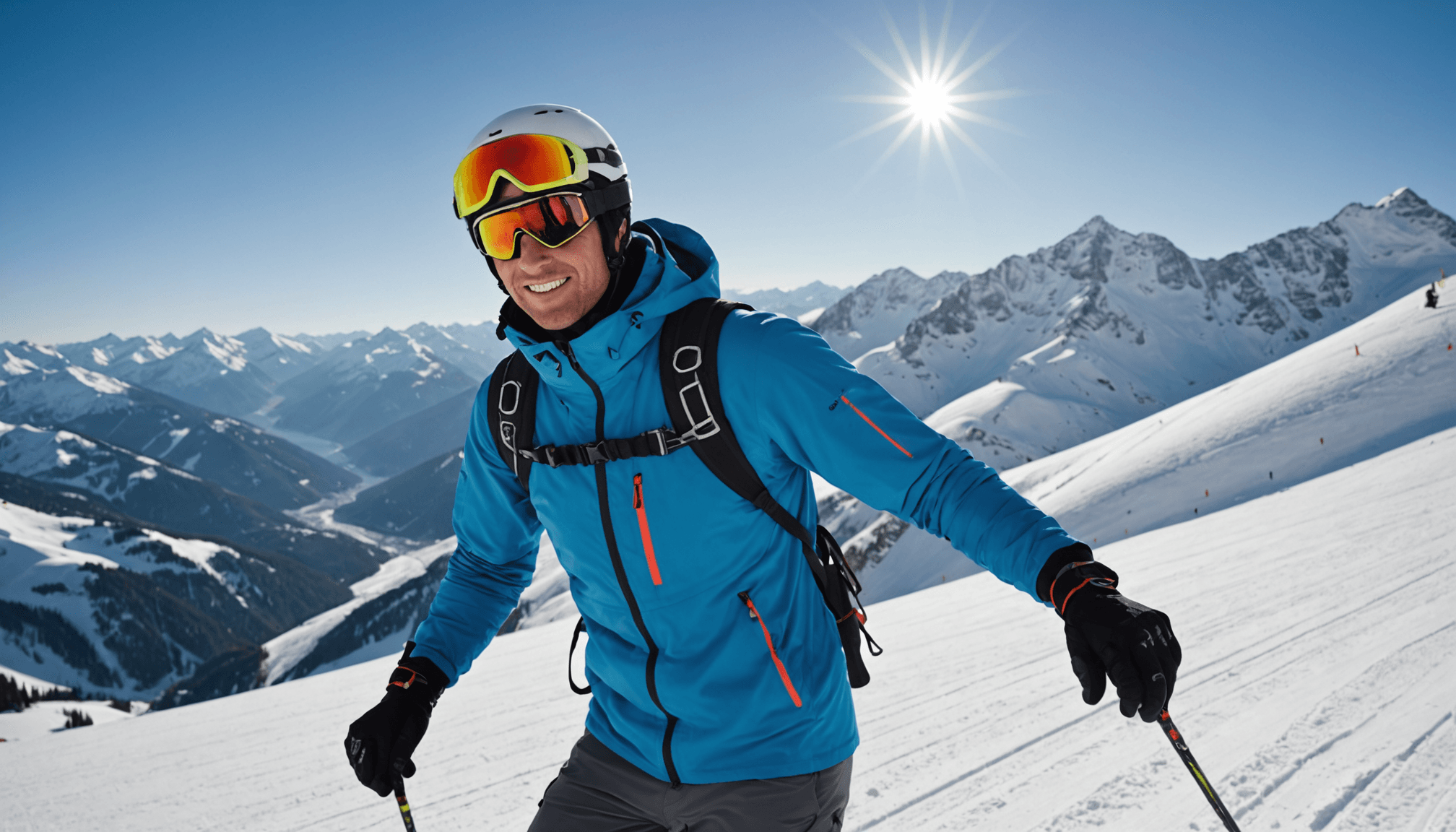
The resumption of skiing after a long period of stopping often requires caution. When you get off the first chairlift, the fresh, sharp air of January in the mountains sharpens your desire to slide, but your muscles are not yet ready for this unprecedented effort. The risk of injury is then at its highest.
The body, unaccustomed to altitude and cold, reacts differently to sudden exertion. Stiffness, loss of control, and extreme fatigue can quickly turn a first day of skiing into a source of pain and frustration.
In this context, it becomes essential to adopt a preventive posture from the very first descent. It is not about ignoring this natural enthusiasm, but rather channeling it with simple and effective movements that will considerably limit the risk of injury throughout your stay.
Prevention is based on three essential actions which follow one another to support your body, your equipment, and your technique towards a progressive and safe return to sliding. These reflexes are not only for fragile or beginner skiers; even experts who put their skis back on after a period of inactivity benefit from this measured approach.
It involves mastering physical preparation, choosing and adjusting equipment well, then adopting an appropriate behavior from the first tracks on the snow. Each of these actions is an indispensable link to avoid accidents. They are based, in 2026, on the latest recommendations from sports doctors and mountain specialists. Integrating them allows your body to respond fluidly and effectively to the demands of skiing at all times.
Starting with a physiological warm-up, optimizing your equipment, and controlling your technique and pace: here is a real strategy that will help you resume skiing calmly, protect your joints and muscles, and also fully enjoy the pleasure of the slopes. This gentle method will guarantee not only a better experience from the first descent but also a whole week of skiing without interruption or pain.
Preparing your body in advance: warm-ups and muscle strengthening to limit ski injuries
The first very common mistake is to think that stopping in front of the first slope is enough to prepare your body for effort. In reality, skiing intensely calls on specific muscles and places stress on joints. After several months of targeted inactivity, even if you practice other sports, your body is not ready. The cold increases muscle stiffness, tissues tighten, and protective reflexes are less effective. Prior physical preparation is therefore essential.
Even before putting on your skis, it is essential to perform dynamic warm-ups. Unlike static stretches, which can be ineffective or even risky when cold, repeated and progressive movements mobilize the whole body’s joints and muscles. Think of rotations of the ankles, knees, pelvis, then gentle bends. These simple movements increase blood circulation, warm the muscles, and prepare the brain for the coordination required on snow. For example, a series of squats while standing, keeping the back straight, prepares the quadriceps, which are heavily used on the descent.
Targeted muscle strengthening, done several weeks before resuming, is also a major asset. It helps better stabilize the knees, increase resistance to fatigue, and reduce the risk of sprains or muscle tears. Spend some time working on the following muscles:
- The quadriceps, which absorb impacts and control knee flexion.
- The hamstrings, for essential muscular balance between the front and back of the legs.
- The trunk muscles (abdominals and lower back), which stabilize posture and prevent dangerous twisting.
- The calves, essential for maintaining balance and propulsion.
These exercises may include squats, lunges, planks, and knee lifts, performed in moderate series to avoid premature fatigue. The fitter your body is, the more it will have an adaptive capacity to effort and the imbalances inherent in sliding. Good physical condition reduces the risk of muscle strains and greatly improves recovery after each descent.
Finally, include moderate cardio sessions in your routine to get your heart used to exertion at altitude, where oxygen is scarce. Altitude indeed requires extra work from the lungs and cardiovascular system, promoting rapid fatigue. In 2026, this preparation is a unanimously shared recommendation in medical and sports circles for a smooth return to skiing. To explore the latest tips and safety instructions in the mountains, feel free to consult reference resources, such as those offered in the ultimate guide to off-piste skiing.
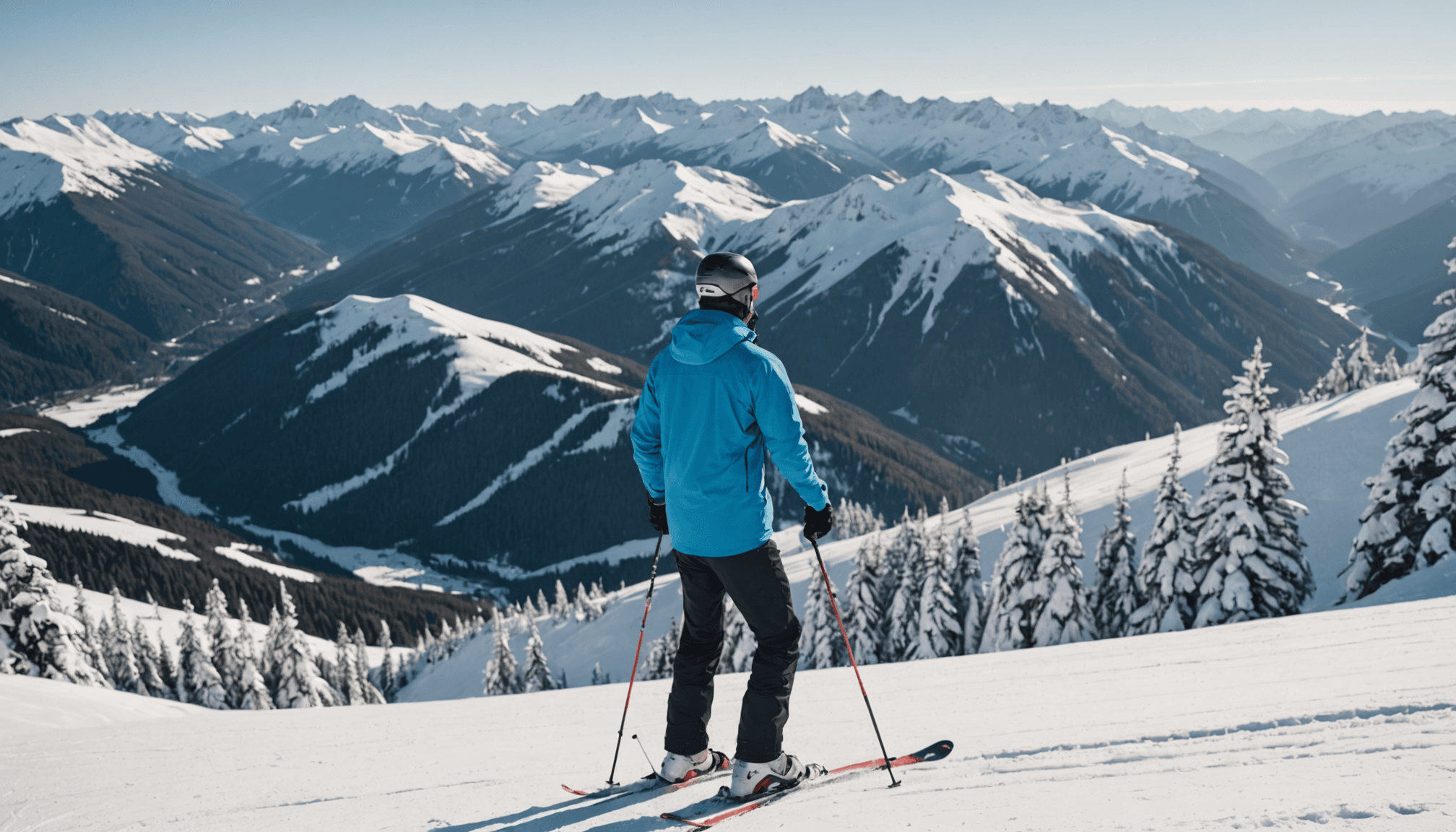
Equip yourself properly: choosing and adjusting your gear to avoid ski injuries
The second essential action revolves around equipment. In skiing, an adjustment error or an inappropriate choice can quickly cause sometimes serious injuries. Even if you are resuming skiing after several years, your gear must be perfectly adapted to your morphology, level, and type of practice.
The starting point is the choice of skis. A pair that is too long or too stiff for a skier who is resuming can cause loss of balance, lead to forced positions, and accelerate leg fatigue. To properly select your skis, you must take into account your height, weight, but also your level and expectations. Thus, shorter and more manageable skis are recommended for a gentle resumption, facilitating turns and reducing muscle fatigue. You will find detailed advice on choosing ski size according to various criteria.
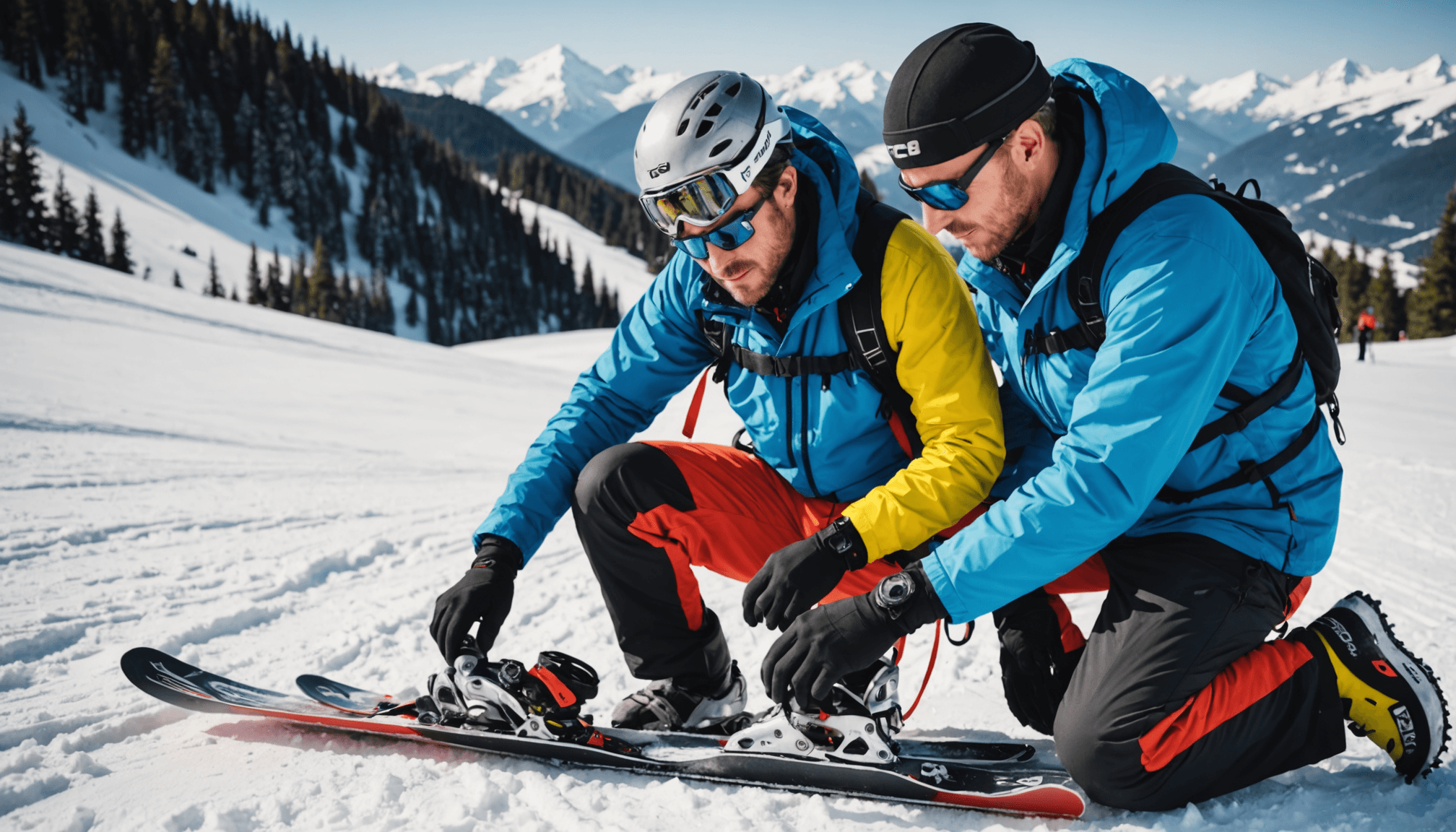
Binding adjustment is a often neglected but fundamental step. A binding that is too tight may cause trauma in case of a fall, while a binding that is too loose can accidentally release, risking loss of control. The tension must be adapted to your weight, your sliding technique, and your level. Make an appointment at the resort with a professional to check these parameters, especially when using old equipment. Some resorts now insist on this point in their safety instructions.
Ski boots, meanwhile, play a central role in injury prevention. They must ensure foot support and sufficient flexibility so as not to hinder natural mobility. When resuming, make sure they are neither too stiff nor too tight, which would limit blood circulation and cause numbness and pain. Investing in a recent pair with a good tightening system is often an immediate gain in comfort and safety.
Finally, protective equipment completes this preparation. Wearing a helmet is now almost mandatory in France, a gesture that saves many lives and prevents head injuries. Also remember to wear back protectors and knee pads if you are sensitive to falls or if you plan to try more technical slopes. These accessories absorb shocks and give you better confidence on the snow, which anticipates mistakes that could lead to injury.
In an environment where climate changes affect slope quality, perfectly adapted gear also offers better management of sliding conditions and increased safety. You can deepen the precautions to take by consulting recent articles on helmet-wearing regulations.
Adapt your technique and pace from the start: the key to avoiding skiing accidents

Finally, the third reflex concerns your sporting behavior on the snow. It is about knowing how to adjust technique and pace according to your actual condition, while respecting the terrain and other users. This action is often underestimated although it is essential for skiing several days in a row without injury.
The classic mistake is to want to regain your former level at all costs from the very first descent. However, muscle memory does not instantly return. You must start on easy slopes, often green or blue, to relearn to lean, turn, and keep balance on a slippery surface. This avoids unnecessary tensions and reduces pressure on your knees, especially the cruciate ligaments, which are very vulnerable.
In this phase, pacing management is crucial. Breaking up descents is an excellent way to allow the body to recover and avoid the buildup of muscle fatigue. You can thus include regular breaks, moments when you stop to breathe deeply and release tension in the pelvis and legs. Even if you don’t feel strong fatigue, these micro-recoveries help eliminate accumulated metabolic waste, such as lactic acid which causes cramps and soreness.
Here is a list of practical tips to properly manage your technique and pace from the resumption:
- Choose accessible slopes: rediscover your sensations on safe terrain.
- Control your speed: favor a progressive pace to avoid sudden falls.
- Maintain a balanced posture: slightly bend your knees, keep your torso upright, and look far ahead.
- Use your poles for support: to improve stability and prepare for turns.
- Stop at the first signs of fatigue: muscle dryness, shaking, or loss of balance are alerts to listen to.
Adopting this behavior lets you ski with maximum safety, limiting the risks of uncontrolled slides or severe falls. In the mountains, conditions change quickly and you should always keep some margin for improvement. Respecting your body in its current abilities is the best guarantee to fully enjoy until the last day of your stay.
To deepen your technical knowledge, discover accessible tutorials explaining the importance of good posture and reasoned effort management during sliding. These educational resources highlight the adapted strategies for returning to the slopes and perfectly illustrate the key gestures to adopt.
Secure your return to the mountains: additional advice for a week without interruption
Beyond the three key actions that structure your resumption, it is useful to complement this preparation with some specific mountain recommendations and to the current winter conditions. Cold, altitude, and accumulated fatigue impose a strict framework to follow to preserve your health and your pleasure.
One crucial aspect is hydration. Despite reduced thirst sensation at altitude, it is vital to drink water regularly. This promotes muscle recovery and prevents cramps. Prefer pure water over alcoholic or sugary drinks that dehydrate.
Also learn to recognize signs of overwork. The sensation of heavy legs, unusual pains, or balance disorders should always lead to reducing intensity or even stopping the session. Sufficient rest in the evening, with possibly some gentle stretches, helps avoid stiffness that complicates the next day’s start.
According to experts, the best method is to bet on gradual progress at every step. You can incorporate this principle into your lift pass management and your time on the slopes, by breaking up your days for example. Do not underestimate the importance of a light muscle awakening every morning before starting. The mountain climate of Haute-Savoie and the magnificent panoramas of the Mont-Blanc massif await you for a successful stay… but only if you take care.
Also be sure to respect safety instructions at the resort, such as safety distances and priority to downhill skiers. These basic rules prevent collisions and dangerous situations. For up-to-date information on local conditions and must-see events, you can regularly consult winter news.
Acquire good habits for a lasting and injury-free return
Integrating into a prevention dynamic from your arrival on the slopes is the best guarantee of a successful and pleasant week of skiing. The mountains offer you a multitude of pleasures, but safety always remains the essential prerequisite. The repetition of the three key actions – physical preparation, adapted equipment, and progressive technical and pace management – embeds in your routine the behavior that will make all the difference.
Consider each day as a step in getting back into shape and not as a competition against yourself. After your first descent, you will therefore have a better idea of your sensations, progress, and possible limits. Learning to listen to your body is a sign of sporting intelligence that optimizes both pleasure and performance.
Finally, prevention does not stop once the snow has melted. Strengthening and mobility exercises can be continued all year round. Preparing for the following season with solid foundations will save you many disappointments. For those who consider off-piste slopes, mental and physical training is even more crucial, as it involves mastering additional risks, notably avalanches. The site dedicated to avalanche risks offers precise and essential information to protect yourself effectively.
The key thus remains progression. By adopting these three fundamental actions, you give yourself the best chance to fully enjoy your mountain stay, from the very first descent to the last track in the snow.
Frequently Asked Questions
{“@context”:”https://schema.org”,”@type”:”FAQPage”,”mainEntity”:[{“@type”:”Question”,”name”:”Why is it important to do warm-ups before skiing?”,”acceptedAnswer”:{“@type”:”Answer”,”text”:”Dynamic warm-ups warm the muscles, increase blood circulation, and prepare the joints. This reduces risks of injuries such as muscle strains and facilitates the coordination necessary on the slopes.”}},{“@type”:”Question”,”name”:”How to choose the right ski size for a resumption?”,”acceptedAnswer”:{“@type”:”Answer”,”text”:”You need to take into account your height, weight, level, and skiing style. For resuming, favor shorter and more flexible skis, which are more manageable and reduce fatigue, thus facilitating your return to skiing.”}},{“@type”:”Question”,”name”:”How to manage your effort during the first day of skiing?”,”acceptedAnswer”:{“@type”:”Answer”,”text”:”Adapt your speed and technique to your actual condition. Break your descents with regular breaks to allow the body to recover and avoid excessive fatigue, a potential source of accidents.”}},{“@type”:”Question”,”name”:”What protective equipment is recommended to minimize risks?”,”acceptedAnswer”:{“@type”:”Answer”,”text”:”The helmet is now almost mandatory to prevent head injuries. Additional protections such as back protectors or knee pads can be useful depending on your sensitivity to falls and the difficulty of the slopes.”}},{“@type”:”Question”,”name”:”How to continue preparing your body after the day of skiing?”,”acceptedAnswer”:{“@type”:”Answer”,”text”:”Hydrate well, do gentle stretches, and favor adequate rest. Good muscle recovery facilitates resuming the next day and reduces the risk of soreness and injuries.”}}]}Why is it important to do warm-ups before skiing?
Dynamic warm-ups warm the muscles, increase blood circulation, and prepare the joints. This reduces risks of injuries such as muscle strains and facilitates the coordination necessary on the slopes.
How to choose the right ski size for a resumption?
You need to take into account your height, weight, level, and skiing style. For resuming, favor shorter and more flexible skis, which are more manageable and reduce fatigue, thus facilitating your return to skiing.
How to manage your effort during the first day of skiing?
Adapt your speed and technique to your actual condition. Break your descents with regular breaks to allow the body to recover and avoid excessive fatigue, a potential source of accidents.
What protective equipment is recommended to minimize risks?
The helmet is now almost mandatory to prevent head injuries. Additional protections such as back protectors or knee pads can be useful depending on your sensitivity to falls and the difficulty of the slopes.
How to continue preparing your body after the day of skiing?
Hydrate well, do gentle stretches, and favor adequate rest. Good muscle recovery facilitates resuming the next day and reduces the risk of soreness and injuries.