
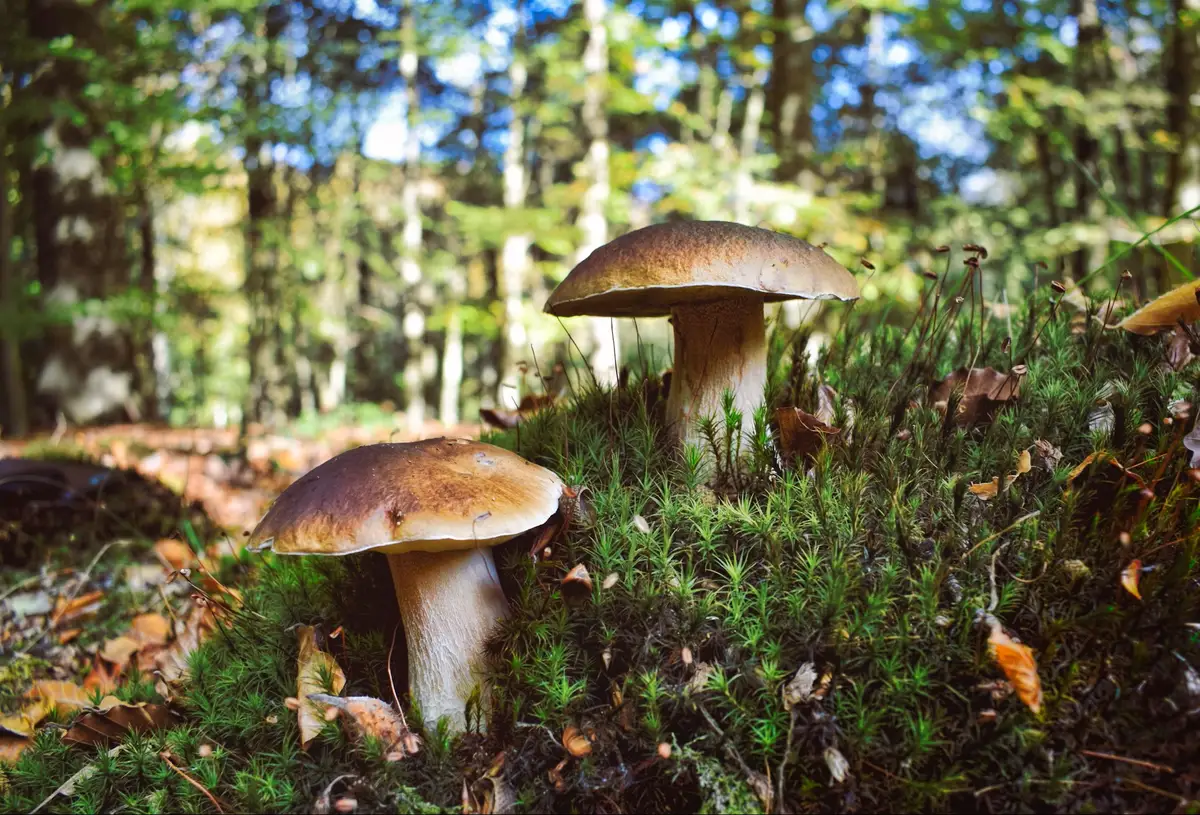
Going into the forest with a basket to collect some mushrooms is nice… as long as you don’t make mistakes or break the rules. Here are some simple tips to keep in mind.
Accurately identify mushrooms
Are you tempted to pick that pretty mushroom that looks like a porcini? Wait. It’s better to be sure. Several toxic varieties mimic edible species (such as the death cap versus Caesar’s mushroom). What matters is to observe the shape, color, smell, cap, stem, and the environment where it grows.
Do you have doubts? A pharmacist or a mycologist can help confirm the identification. This is not a matter of superstition: some toxins have no noticeable taste, others cause symptoms several hours or days later. Absolutely to be avoided, right?
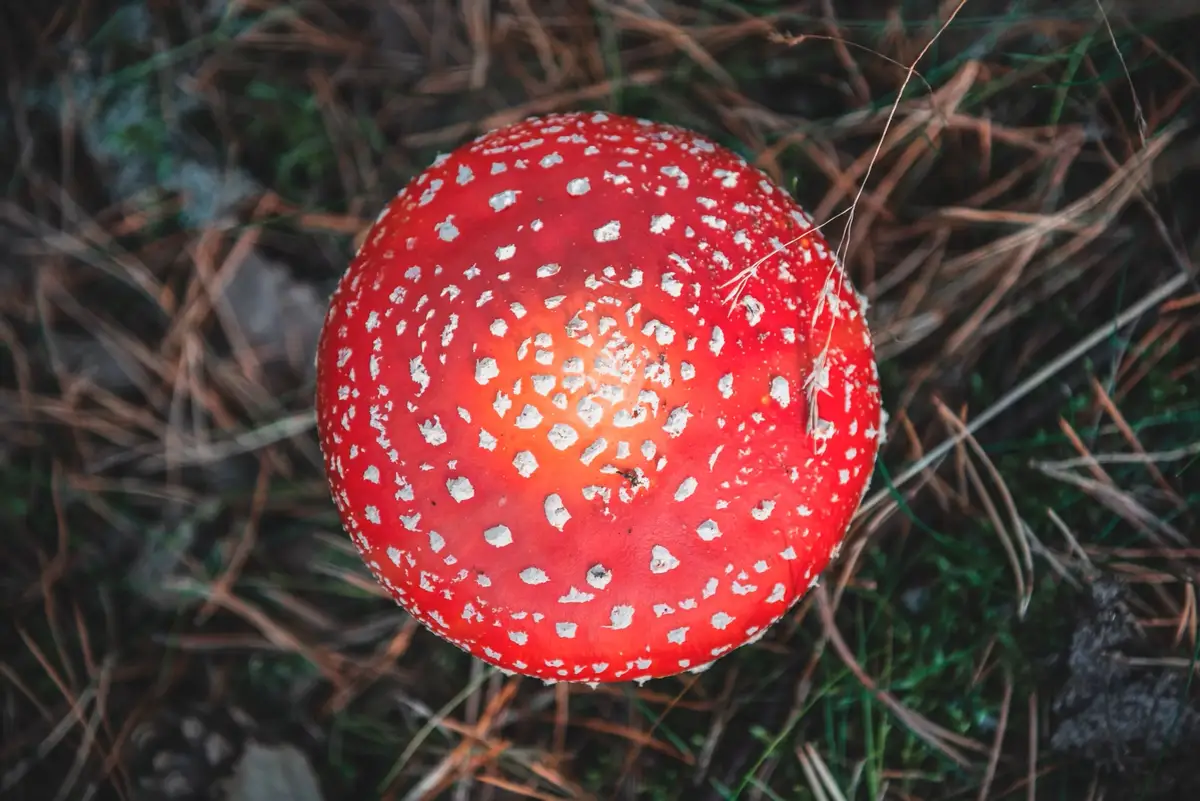
Pick with respect for the environment
Since I started picking mushrooms, I have learned not to turn over all the litter or rake the ground as if it were a field. It’s better to pick mature mushrooms one by one, leaving the young ones to grow.
A knife is useful, but picking manually without damaging the ground also works — especially if there are few roots to remove. The goal is that the mycelium remains intact and that the mushrooms return the following year.
Some good habits to adopt:
- leave small mushrooms and those that are damaged in place;
- pick specimens in good condition and at full length (stem and cap);
- cover the small hole left by picking with some soil to protect regrowth.
Learn about local regulations

Did you think the forest is freely accessible? Not always. In France, mushrooms are part of the soil and belong to the owner. Going to pick without permission, even in woods that are not explicitly forbidden, can fall under theft.
On private properties, a simple sign is not necessary to prohibit picking; it’s better to ask if it is possible to collect some.
In state-owned forests (managed by the State), family picking is often tolerated, but some departments impose a quota, for example 5 liters per person per day. Beyond that, fines can rise up to €750, or even €45,000 and several years in prison in cases of abuse or deliberate damage.
Prepare your outing methodically
Don’t go into the forest empty-handed. Here’s what’s reasonable to bring:
- a wicker basket or a ventilated box (avoid plastic, which causes quick molding);
- an illustrated guide to identify mushrooms in situ, or better, a reliable app;
- a photo of your harvest taken before cooking: useful in case of poisoning to identify what was actually eaten.
And if you pick near a road or a factory, better avoid it: mushrooms easily absorb pollutants.
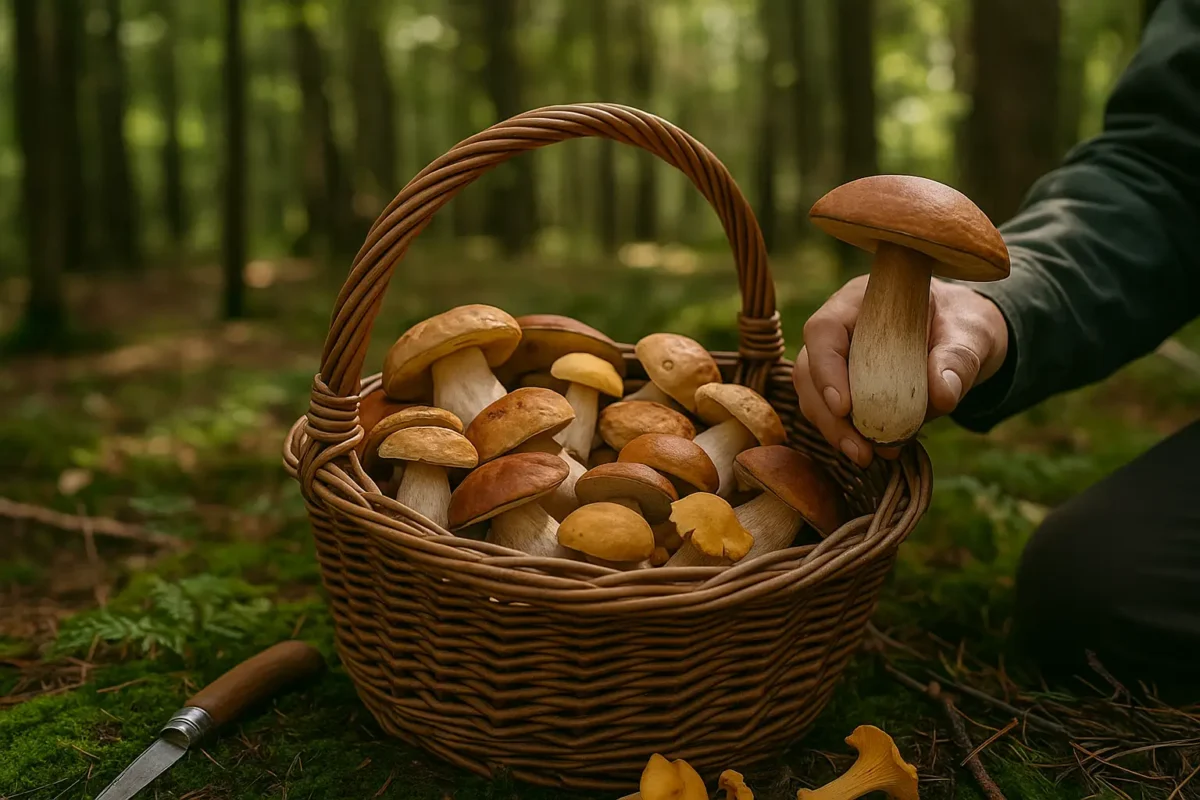
Some real-life scenarios
Last year, I picked a pretty meadow mushroom. It looked too much like another one my grandfather picked as a child. I showed it to a pharmacist. Verdict: it had been contaminated by an invisible insect. It reminded me that even familiar mushrooms deserve taking the time to check them.
And then, once I exceeded… unknowingly… the allowed quota in a communal wood. Fortunately, a kind forest ranger explained it to me and gave me a small flyer with the allowed quantities. I ended up coming back with much less confidence — but more respect for the rules.
Checklist before leaving
- Have I correctly identified the species?
- Am I picking while respecting the soil and the young mushrooms?
- Do I have the right to be here? And am I respecting the authorized volumes?
- Is my container suitable for preserving the mushrooms?
You’re leaving better prepared, right?
Wild mushroom picking can bring beautiful walks, good little dishes, a real connection with nature. If you go with a bit of method, respect for the environment, and without ignoring regulations, you’ll come back with memories and mushrooms, not troubles.
How to clean after picking
Once back home, the work is not finished. Freshly picked mushrooms often carry soil, pine needles, or little creatures. Cleaning them properly prevents unpleasant surprises when cooking.
Start by removing the base of the stem if it’s too dirty. Use a small knife or a soft brush to remove debris. No need to rinse your mushrooms under prolonged water flow: they soak up moisture and lose their texture. A simple lightly damp cloth is enough.
For some varieties like chanterelles, a quick rinse may be necessary to eliminate sand grains. Then let them dry on a clean cloth before cooking.
In summary, the rule is simple: remove soil and impurities without soaking the mushroom. You will fully enjoy their flavor and they will keep better in the refrigerator.