The Mont-Blanc Massif: an Alpine paradise
The Mont-Blanc massif is one of the most iconic mountain ranges in the Alps, stretching about 40 kilometers and occupying a strategic position at the border between France, Italy, and Switzerland. With its breathtaking landscapes, this massif hosts majestic peaks, impressive glaciers, and lush valleys. Mont-Blanc, reaching 4,809 meters, is the highest point in Western Europe and attracts thousands of visitors every year, whether mountaineers, hikers, or simply nature lovers.
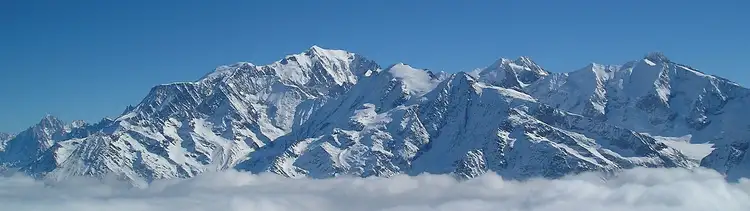
The geological diversity of this massif, combined with an alpine climate, creates unique ecosystems, ranging from coniferous forests at the base of the slopes to high-altitude meadows, passing through sparkling glaciers. The massif is also listed as a UNESCO World Heritage site, attesting to its natural and cultural value.
Access to the Mont-Blanc massif
The Mont-Blanc massif is easily accessible from several starting points:
- Chamonix : Located about 15 km from the Swiss border, Chamonix is the main town for accessing the massif. It is well served by public transport, notably by the Chamonix valley train, which connects the town to Saint-Gervais and the Montenvers station to access the Mer de Glace. Bus lines also connect Chamonix to neighboring towns.
- Saint-Gervais-les-Bains : This spa resort is an excellent access point to the massif, especially to reach the Mont Blanc cable car which goes up to the Nid d’Aigle. Saint-Gervais is accessible by train and bus from Geneva, Annecy, and Chamonix.
- Les Houches : Located a few kilometers from Chamonix, this ski resort is also a good access point to explore the massif, notably via the Bellevue cable car.
- Courmayeur (Italy) : For those who prefer access via Italy, Courmayeur offers another perspective of the massif and is accessible from Chamonix through the Mont-Blanc tunnel.
Main peaks
It would be too long, even impossible, to list all the peaks of the Mont Blanc massif, but here are the 5 main ones:
- Mont-Blanc (4,809 m) : The king of mountains, a legendary ascent for mountaineers. Its conquest requires good physical and technical preparation. The normal route via the Goûter is the most used, despite an extremely dangerous Goûter couloir due to frequent rockfalls, and it is essential to be well informed about conditions before setting out.
- Aiguille du Midi (3,842 m) : Accessible by cable car from Chamonix, it is an exceptional panoramic viewpoint over Mont-Blanc and the surrounding Alps. Visitors can also experience the “Step into the Void,” an attraction offering vertiginous views.
- Aiguille Verte (4,122 m) : Known for its technical side, it is prized by experienced mountaineers and offers unique climbing routes. Its ascent is a challenge appreciated by seasoned climbers.
- Dôme du Goûter (4,304 m) : Often used as an access point for the ascent of Mont-Blanc via the normal route. The Goûter refuge is a favored rest spot for mountaineers.
- Aiguille du Chardonnet (3,352 m) : Located on the Franco-Swiss border, it is famous for its spectacular north faces and difficult climbing routes. The ascent of the Aiguille du Chardonnet offers interesting technical challenges.
Possible activities
The Mont-Blanc massif offers a multitude of activities suitable for all levels and all seasons:
In winter:
- Alpine skiing : The resorts of Chamonix, Les Houches and Courmayeur offer varied slopes ranging from the easiest to the most technical, with ski areas suited to families and experienced skiers. Les Houches, for example, is famous for its wide slopes and views of Mont-Blanc.
- Backcountry skiing : Marked routes allow exploration of virgin slopes and preserved landscapes in the massif. The Mont-Blanc ski circuit is a several-day adventure crossing incredible landscapes.
- Snowshoeing : Numerous trails are accessible to discover the beauty of snowy landscapes in complete tranquility. Snowshoe walks allow immersion in the winter nature.
- Cross-country skiing : Cross-country ski trails are available in the surrounding valleys, notably at La Flégère and Les Houches, ideal for enthusiasts of gentle gliding.
- Winter mountaineering : Provided you are very experienced, well prepared, and equipped, winter mountaineering is possible in this massif. However, this practice is reserved for truly experienced individuals.
In summer:
- Hiking : Hundreds of kilometers of marked trails allow you to explore alpine pastures, glaciers, and alpine panoramas. The Tour du Mont-Blanc is one of the most famous circuits, attracting hikers from around the world.
- Climbing : The massif is an ideal playground for climbers of all levels, with climbing routes for beginners as well as experts. Climbing schools offer courses for those wishing to learn.
- Mountain biking : Trails are set up for mountain biking enthusiasts, offering exciting descents and breathtaking views. The Chamonix valley is particularly appreciated for its varied courses.
- Paragliding : Fly above the Alps for an unforgettable experience and a unique perspective on the massif. Paragliding schools offer introductory flights to discover the mountain from the sky.
- Mountaineering : The Mont-Blanc massif, particularly the Chamonix valley, is the world capital of mountaineering. The number and diversity of peaks play a major role of course, but the guides and mountaineers from the Chamonix valley have greatly contributed to the development of this practice. Here too, even if it is somewhat more accessible than winter mountaineering, this practice requires extensive knowledge and it is necessary for less experienced people to use the services of a high mountain guide. The valley’s guide offices can provide information on this. See their contact details at the end of this article.
Must-see places to visit
- Chamonix-Mont-Blanc : This charming village is the starting point for many activities and offers a typical mountain atmosphere, with shops, restaurants, and cafés. Don’t miss visiting Chamonix’s church and strolling through its cobbled streets.
- Aiguille du Midi Cable Car : Ascend to 3,842 meters to admire breathtaking panoramas and explore various viewpoints. The view of the Mont-Blanc glacier is stunning.
- Mer de Glace : The largest glacier in France, accessible by the Montenvers train. A walk through the glacier and a visit to the ice cave are must-dos, offering a unique immersion into the glacial world.
- Chéserys Lakes : These beautiful lakes are perfect for a hike, offering spectacular views of Mont-Blanc in the background. It is a popular spot for picnics and photography.
- Goûter Refuge : A mandatory stop for mountaineers en route to Mont-Blanc, but also an ideal place to enjoy a meal with a view of the massif. This refuge is the highest in Europe and offers high-altitude accommodation.
Other useful information for holidaymakers
- Season : The best period to visit the massif depends on the desired activities. For skiing, winter (December to April) is ideal, while for hiking, the period from June to September is recommended.
- Access : Chamonix is easily reachable by car, train, or bus from Geneva. Several parking areas are available in the town, but it is advisable to use public transport during the high season to avoid congestion.
- Accommodation : Many hotels, refuges, and chalets offer a variety of accommodation options, ranging from mountain inns to luxury, allowing everyone to find their happiness. Reservations are recommended, especially in season.
- Dining : Chamonix and its surroundings abound with restaurants offering Savoyard specialties, such as fondue, raclette, and tartiflette. Don’t miss tasting the local products, including cheeses and cured meats.
Mountaineer’s advice
Before embarking on the ascent of a peak or a high mountain hike, it is crucial to prepare properly. Here are some essential tips:
- Prepare yourself physically : Altitude and conditions can be challenging. Train before your departure by practicing endurance activities such as hiking or jogging.
- Equip yourself properly : Invest in suitable clothing (waterproof and windproof layers), sturdy hiking boots, and safety equipment (ropes, harnesses, etc.). A good backpack with water, snacks, a first aid kit, and a map is also essential.
- Check conditions : Consult weather reports and trail information before leaving. Conditions can change rapidly in the mountains, so it is important to be well informed.
- Don’t hesitate to call on a guide : If you are new to mountaineering or mountain hiking, an experienced guide can help you make the most of your experience safely. They can also provide valuable information about local wildlife and flora.
The Mont-Blanc massif is a must-visit destination for mountain lovers, offering grandiose landscapes, varied activities, and a rich alpine culture. Whether you are seeking adventure or simply wish to admire the beauty of the Alps, you will find your happiness here.
Useful addresses in the Mont Blanc massif
Tourist office
- Chamonix: 85 Pl. du Triangle de l’Amitié – 74400 Chamonix-Mont-Blanc – Tel.: +33 (0)4 50 53 00 24
- Argentière: 24 rte du Village – 74400 Argentière – Tel.: +33 (0)4 50 54 02 14
- Saint Gervais: Maison de Saint-Gervais – 43 Rue du Mont Blanc, 74170 Saint-Gervais-les-Bains – Tel.: +33 (0)4 50 47 76 08
Guides and mountain leaders offices
- Chamonix: Maison de la montagne – 190 place de l’église – 74400 Chamonix – Tel: +33 (0)4 50 53 00 88
- Argentière: 24 Route du village – 74400 Argentière – Tel.: +33 (0)7 71 17 54 03
- Saint Gervais: 43 Rue du Mont Blanc – 74170 Saint-Gervais-les-Bains – Tel.: +33 (0)4 50 47 76 55