
Known as the “Pearl of the Alps” or the “Venice of the Alps”, Lake Annecy is a natural gem in the heart of the Auvergne-Rhône-Alpes region in France. This lake, which covers 27 km², is nestled among majestic mountains, offering an unparalleled panoramic view.
This place of relaxation and adventure measures 14.6 kilometers long and 3.2 kilometers at its widest, with a depth reaching up to 80 meters. Its crystalline water, among the purest in France, is fed by eight waterways. Lake Annecy lies at the epicenter of the historic town of Annecy, dating from the Middle Ages, in the Haute-Savoie department.
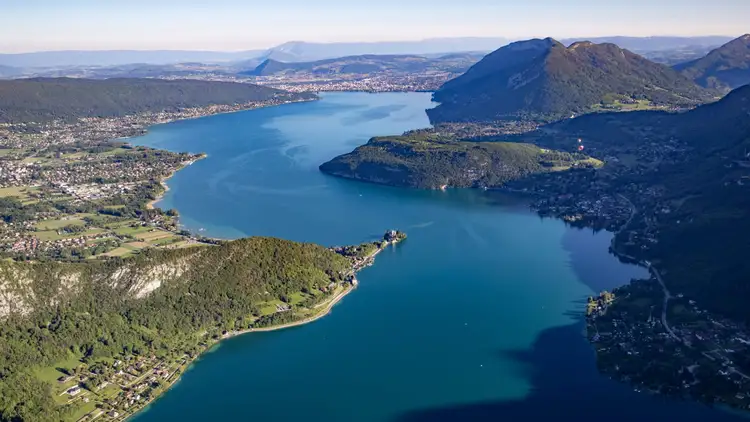
The old town of Annecy charms with its canals and cobbled streets, while the lake is lined with picturesque villages like Talloires and Menthon-Saint-Bernard, promising a rich holiday experience in nature, culture, and leisure. We will discover the wonders of Lake Annecy, its activities, cultural life, and culinary delights.
General overview of Lake Annecy
Geographical location and access
Lake Annecy, a jewel of the Auvergne-Rhône-Alpes region in France, is nestled in the Haute-Savoie department. It is located about 30 kilometers northeast of Chambéry and 25 kilometers from Lake Bourget, near Aix-les-Bains, while situated roughly 30 kilometers south of Geneva and Lake Geneva.
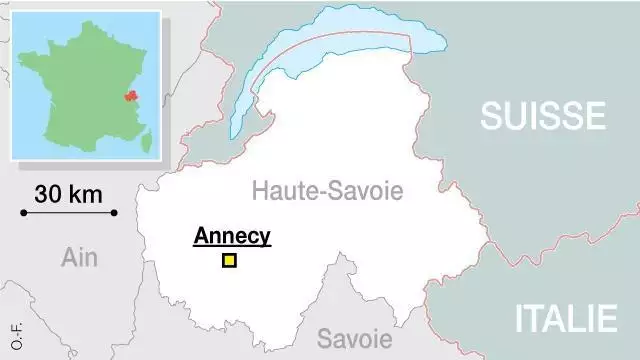
The town of Annecy, situated on the lake’s edge, is easily accessible by various roads, including the A41 motorway which connects Grenoble, Geneva, Lyon, and Chamonix. The lake is also near several impressive mountain ranges, such as the Prealps of the Bauges massif to the south and the Bornes massif to the east, enriching its exceptional geographical setting.
Brief history of the lake
Lake Annecy originated during the Glacial Age, forming after the Würm glaciation some 17,000 to 15,000 years before our era. The glaciers of this Quaternary period sculpted the depression that now contains the lake, and their retreat shaped its distinctive form.
Throughout history, the lake spanned a larger surface area and was at a higher level, reaching as far as Faverges to the south and flowing through the passage of La Balme to the north. The capture of its waters by a torrent following the lower course of the Fier caused a decrease in its level, shaping the lake as we know it today.
Physical and ecological characteristics
Lake Annecy stands out for its impressive physical characteristics. It stretches 14.6 kilometers long and its width varies between 800 meters and 3.35 kilometers.
With an area of approximately 26.5 square kilometers and a maximum depth of 82 meters, the lake has an average depth of 41.5 meters. It is fed by eight mountain streams, ensuring the purity and clarity of its water.
The lake’s watershed, covering around 251 square kilometers, contains between 1.123 and 1.234 million cubic meters of water. Renowned for its rich ecosystem, the lake shelters a diversity of fauna and flora, thus constituting a biodiversity haven.
Natural wonders of Lake Annecy
Water purity and environmental management
Recognized for its exceptional purity, Lake Annecy is among the cleanest lakes in Europe. This purity is the result of a long-standing commitment to environmental management. The Intercommunal Syndicate of Lake Annecy (SILA), established in 1957, was instrumental in installing wastewater collection systems and treatment plants, directing these waters towards the Fier rather than directly into the lake.
These measures restored the original water quality, which now serves as the drinking water source for more than 150,000 residents of the region. An annual scientific monitoring, established in 1966, continuously oversees the water quality, including analysis of nutrient levels, oxygen concentration, and plankton evolution, with comprehensive assessments every six years to evaluate the overall state of the lake.
Fauna and flora around the lake
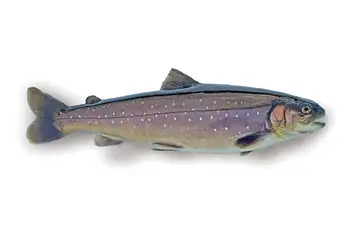
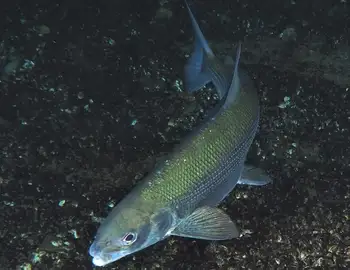
Thanks to a stable and well-preserved ecosystem, Lake Annecy is home to a rich diversity of fauna and flora. The aquatic fauna includes species such as the féra and the Arctic char, which depend on water quality and the presence of plankton and algae.
The shores and surrounding wetlands provide habitats for a variety of birds, amphibians, and invertebrates. Both coastal and submerged meadows, as well as invertebrates at the lake bottom, play a key role in the biodiversity of this lacustrine ecosystem.
Nature reserves and protected areas
Around Lake Annecy, several protected areas and nature reserves have been established to preserve the natural beauty and biodiversity of the region. These zones, located along the lake and its shores, are managed to maintain ecological balance and protect endemic species.
The Reserve of the End of the Lake
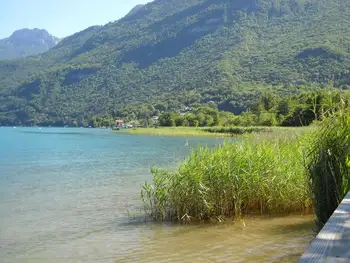
The Reserve of the End of the Lake is one of the few spaces still preserved along the edge of Lake Annecy. This natural reserve is a wetland crossed by two watercourses, Eau Morte and Ire, which feed Lake Annecy. This marshy area, located to the south of the lake, is an exceptional habitat. Wet forests, reed beds, wet meadows, alkaline peat bogs make up this ecosystem and offer a diversity conducive to the establishment of many animal or plant species, common, rare, or sensitive.
The Roc de Chère Nature Reserve
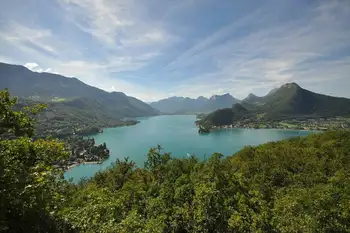
The Roc de Chère Nature Reserve occupies part of a small mountainous forest massif that juts out into Lake Annecy, between Menthon-Saint-Bernard and Talloires. It offers beautiful viewpoints over the lake and surrounding mountains, making it ideal for lovely walks and.
Covering an area of 68 hectares, this reserve created in 1977 holds a great diversity of fauna: small forest mammals, birds, amphibians, reptiles, and insects. Two types of flora coexist at Roc de Chère: one montane (rhododendron, clubmoss…) and the other southern (Montpellier maples, boxwood…).
SILA plays an active role in restoring reed beds and protecting natural spaces, promoting soft mobility and eco-friendly activities.
What to do at Lake Annecy? Activities and leisure

Water sports and aquatic activities
Lake Annecy is a true paradise for fans of nautical and aquatic activities, offering options for all tastes and skill levels. Among the water sports, sailing, kayaking, windsurfing, and water skiing stand out for their popularity.
It is also possible to rent pedal boats or motorboats for an independent exploration of the lake. Attention, navigation on Lake Annecy is regulated (speed is limited near the shores, certain zones are completely prohibited…) and many controls are carried out by the National Gendarmerie boat. It is therefore important to get information about the navigation regulations on Lake Annecy.
Enthusiasts of scuba diving and snorkeling will be delighted by the richness of the lake’s underwater fauna and flora, which shelters species such as pike, trout, and Arctic char. Fishing is another popular activity, with permits available for sessions lasting a day or more.
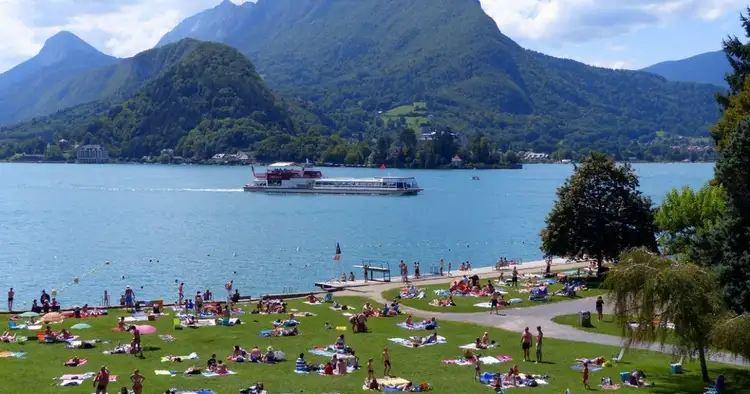
The developed beaches around the lake, notably at Menthon-Saint-Bernard, Sevrier, and Saint-Jorioz, offer ideal spaces for swimming, beach volleyball, and fun on slides and diving boards. These beaches, equipped with playgrounds and deck chairs, provide a family-friendly and convivial setting.
See also: the beaches of Lake Annecy
Hiking and walks around the lake
For land activity enthusiasts, Lake Annecy is surrounded by various hiking and walking trails.
The GR de Pays du Tour de Lac d’Annecy, marked in red and yellow, allows you to circumnavigate the lake in 5 days, offering exceptional panoramic views of the lake and nearby mountains. It is also possible to opt for shorter stages to explore villages and nature reserves along the way. Viewpoints, such as that of the Forclaz Pass and Mont Veyrier, offer spectacular panoramas of the lake and the surrounding peaks.
The hike to Mont Veyrier, lasting about 5 hours round trip, is highly recommended for its breathtaking views over Annecy and the Grand Lake.
📌 Also to read :
- The most beautiful viewpoints over Lake Annecy
- Must-do hikes around Lake Annecy
- The Lake Annecy bike tour
Cultural and historical visits
Lake Annecy is also distinguished by its rich cultural and historical heritage. The old town of Annecy, nicknamed the “Little Venice of the Alps” because of its canals and cobbled streets, is a must-see.
The Annecy Castle Museum, the former residence of the Duchy, is now a regional and naturalist museum, offering an immersion into the region’s history and culture. The castles of Menthon-Saint-Bernard and Duingt are significant historical attractions, offering guided tours and exhibitions on local history. The pile-dwelling sites, UNESCO World Heritage sites, notably in Sevrier, reveal remains of prehistoric lakeside dwellings.
Cruises and omnibus services on the lake invite visitors to discover the various ports and lakeside villages such as Talloires and Saint-Jorioz, while appreciating the beauty of the lake and its surroundings from the water.
Cultural and event life around the lake
The Annecy International Animation Film Festival
The Annecy International Animation Film Festival, created in 1960, is considered one of the major cultural events in the region. Held every year at the beginning of June, it is recognized as the world reference for animated cinema. This festival attracts thousands of enthusiasts from all over the world, creating an atmosphere both warm and international for celebrating this art.
The festivities include film screenings in competition in various cinemas in the town, as well as open-air sessions on the Pâquier, offering a magnificent view of the lake and mountains. The festival is also marked by conferences, masterclasses with renowned directors, and the MIFA (International Animation Film Market), a key meeting place for producers and distributors.
The Lake Annecy Festival and its fireworks
Every August, the Lake Annecy Festival lights up the town. This event celebrates the splendor of the lake and its importance to the local community. The highlight of the show is undoubtedly the grand fireworks display, which offers spectators a breathtaking spectacle over the lake.
The fireworks are accompanied by music and various animations along the shores, contributing to a festive and friendly atmosphere.
Other festivities and local traditions
The Annecy region is rich in festivities and local traditions, beyond the International Animation Film Festival and the Lake Festival. The Lake Annecy marathon, for example, is a sporting event that gathers runners from all backgrounds.
Nearby villages, such as Talloires and Menthon-Saint-Bernard, come alive with village festivals offering concerts, local product tastings, and craft exhibitions. Annecy itself hosts numerous cultural events throughout the year, including concerts, art exhibitions, and music festivals, enriching the cultural life of the region for both visitors and residents.
Gastronomy and culinary specialties
Restaurants with lake views
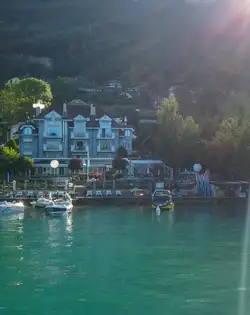
The picturesque Lake Annecy region is full of restaurants offering a breathtaking view of the lake and mountain panorama. Among them, L’Auberge du Lac in Veyrier-du-Lac stands out with its terrace offering a splendid view of the lake.
Le Bistrot du Port in Sevrier is another popular establishment, boasting a charming wooden terrace by the water, where guests can enjoy the magnificent view of the lake and mountains. Le Comptoir du Lac, located in the Hôtel Clos Marcel in Duingt, offers an elegant and relaxed atmosphere with large bay windows for an incredible view of Lake Annecy. Le Balcon du Lac, at the Col de la Forclaz in Talloires-Montmin, boasts an exceptional panoramic view, making this restaurant ideal for appreciating the beauty of the landscape while enjoying traditional dishes or Savoyard specialties.
Local products and Savoyard specialties
Gastronomy around Lake Annecy is deeply rooted in Savoyard culinary traditions.
Local establishments highlight local products and Savoyard specialties. Le Restaurant Jean Sulpice, awarded two Michelin stars, offers refined cuisine celebrating nature and the seasons, emphasizing products from the Savoyard terroir.
Menus include local ingredients such as crayfish, tarragon, féra, and Beaufort cheese. Le Balcon du Lac and La Ferme de la Forclaz serve Savoyard specialties like tartiflette, crozets, and diots, in a traditional and authentic setting. Cheeses (such as Reblochon and Beaufort), cured meats, and seasonal fruits and vegetables enrich many menus, offering visitors an authentic and delicious culinary experience.
Discover some traditional Haute-Savoie recipes:
Visitor tips
Best times to visit
Lake Annecy is an attractive destination throughout the year, but some periods are more recommended than others.
To avoid crowds and enjoy pleasant weather, it is advisable to visit Lake Annecy during the spring months (April to June) and autumn (September to October). These periods offer ideal conditions for outdoor activities, with mild temperatures and nature in full bloom or fiery colors. For winter sports enthusiasts such as skiing, sledding, or snowshoeing, a winter visit is also recommended.
However, avoid the months of July and August if you prefer to escape large crowds and summer heat.
Accommodation and lodging
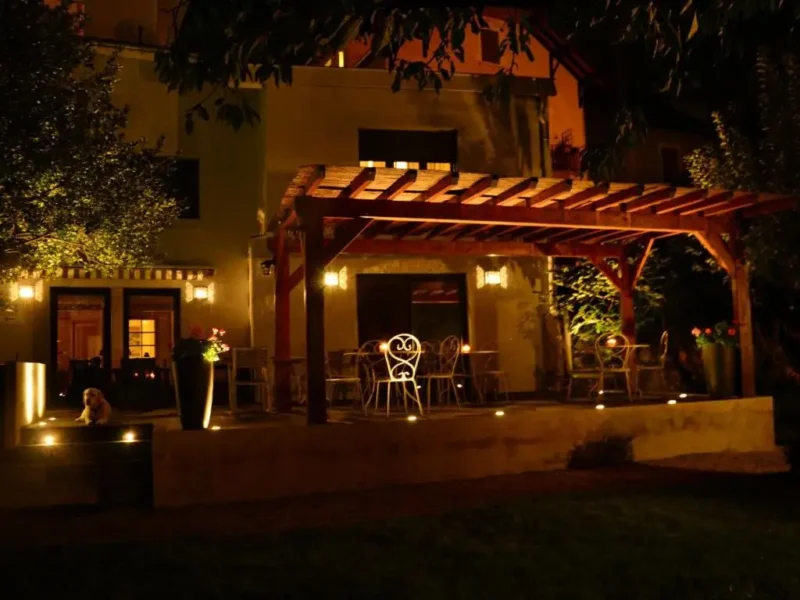
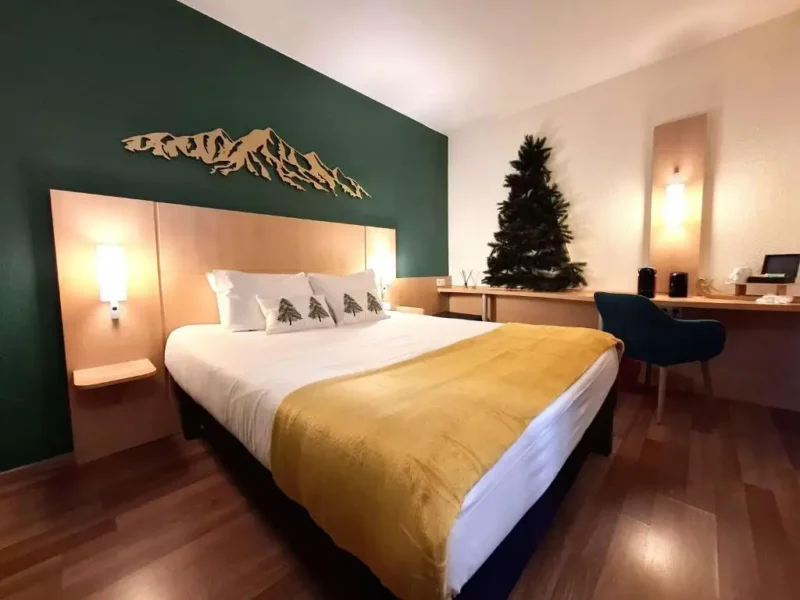
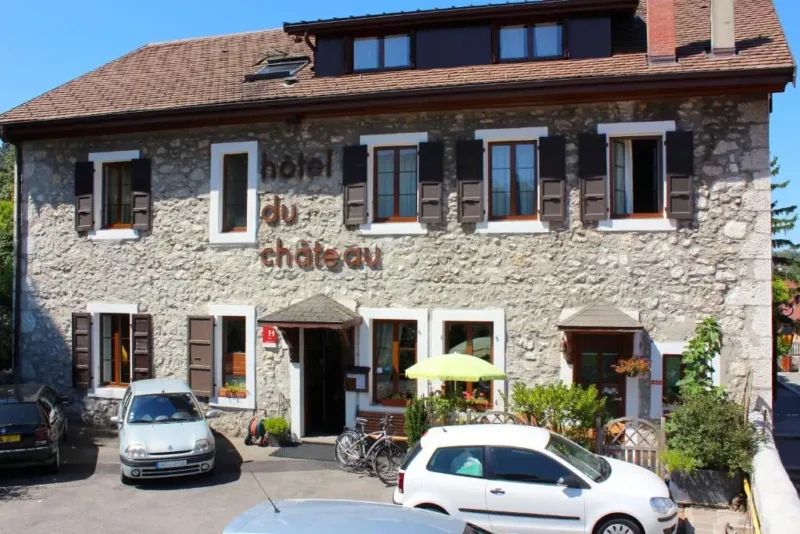
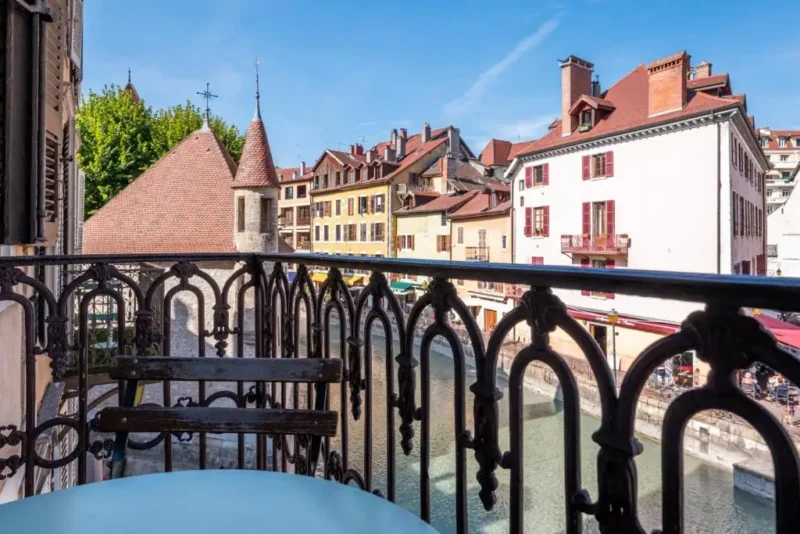
The Lake Annecy region offers a variety of accommodations for all budgets and preferences. In the old town of Annecy, you will find historic hotels and charming bed and breakfasts, located in the picturesque streets of the “Little Venice of the Alps.” For a more luxurious stay, palaces and 5-star hotels such as the Palace of Menthon-Saint-Bernard are available, combining charm and comfort.
The villages around the lake, such as Talloires, Menthon-Saint-Bernard, and Sevrier, also offer cottages, apartments, and holiday homes for longer stays or family visits.
Transportation and getting around the lake
To get around Lake Annecy, soft mobility is highly recommended. The town and its surroundings have many cycle paths and greenways, allowing for a pleasant and safe bike tour around the lake. The greenway offers an unbeatable panoramic view of the mountains and lake.
The old town of Annecy is easily accessible on foot, allowing discovery of its canals, gardens, and historical monuments. Equipped footbridges, like the one between Annecy-le-Vieux and Veyrier-du-Lac, facilitate pedestrian movement while offering beautiful views of the lake. For those who prefer motorized transport, bus and shuttle services are available, notably the Mobil'été service, which facilitates summer travel in the Lake Annecy region.
Lake Annecy throughout the seasons
Final word
Lake Annecy is a unique destination combining natural beauty, cultural richness, and a variety of activities.
This "Pearl of the Alps" captivates with its panoramic landscapes, crystalline waters, and ecologically preserved environment. Whether you are passionate about water sports, hiking, fond of cultural visits, or simply seeking a stay to relax, Lake Annecy meets all expectations.
Don’t miss the chance to discover the picturesque villages, restaurants with breathtaking lake views, and cultural and sporting events that bring the region to life all year round. So, why wait?
Plan your trip to Lake Annecy now and let yourself be enchanted by this wonder of the Alps.
📌 Also to read:
- The most beautiful viewpoints over Lake Annecy
- Must-do hikes around Lake Annecy
- What to visit in Annecy?
- The Lake Annecy bike tour
- The beaches of Lake Annecy
Frequently asked questions about Lake Annecy
It is indeed possible to swim in Lake Annecy. There are several beaches all around the lake. For more details, you can consult this article: the beaches of Lake Annecy
The main place to see the fireworks on Lake Annecy is the Paquier. It is also possible, by walking a little (or even a lot), to climb on surrounding summits to have an overlooking viewpoint: Mont Veyrier, the Semnoz, Crêt de Châtillon or Crêt de l'Aigle.
The lake tour is about 43 km. On foot, expect a full day of walking to complete the tour, although in my opinion this is not the best way to discover the lake.
In summer the lake suffers from its popularity and is overcrowded. Prefer spring or autumn for a quieter visit.
It all depends on personal taste, there are many very beautiful villages around the lake. Personally, my choice goes to the village of Talloires.
Yes, it is quite possible. Count one to two hours depending on traffic, and more if you stop, of course.
Yes, there is even a (partial) cycling route that circles the lake, see our full article: The Lake Annecy bike tour
Article mis à jour le 4 March 2026