Nestled between lakes and peaks, Haute-Savoie attracts thousands of visitors every year seeking authenticity. In response to this enthusiasm, several villages have invested in chalet renovation to enhance their heritage and strengthen their tourist appeal. More than a trend, it is a genuine lever for local development.
Chalet renovation in Haute-Savoie: a return to roots
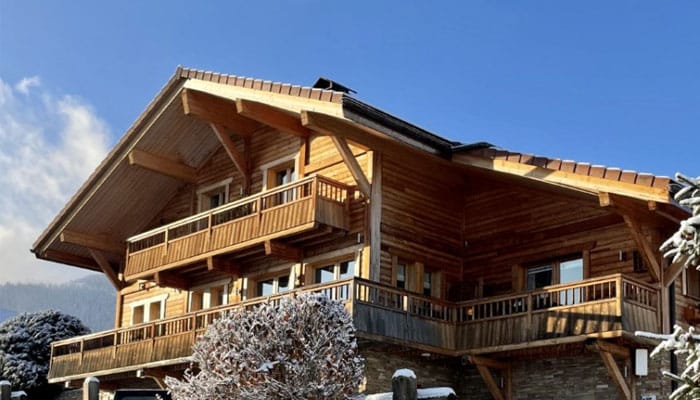
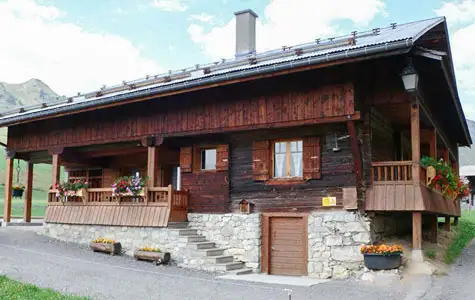
The traditional Savoyard chalet is a strong symbol of Alpine identity. With its wooden facades, shingle roofs, and architecture designed to withstand harsh winters, it represents a mountain way of life. Today, Haute-Savoie chalet renovation allows to preserve this heritage while adapting it to current needs: high-performance insulation, sustainable energy management, landscape integration… This transformation attracts tourists more sensitive to accommodation quality and the authenticity of the setting.
Three villages where chalet renovation changes the tourist dynamic
Sixt-Fer-à-Cheval: authenticity serving renewal
Ranked among the “Most Beautiful Villages of France,” Sixt-Fer-à-Cheval is experiencing growth thanks to the renovation of old chalets into guesthouses or bed and breakfasts. These carefully managed projects offer visitors a total immersion in mountain charm. Result: increased attendance, strengthened local economic fabric, and sustainable enhancement of built heritage.
Abondance: architectural tradition and local dynamism
Renowned for its abbey and cheese, Abondance benefits from programs encouraging chalet renovation respecting local architecture. This renewal attracts tourists interested in heritage and traditions. Local craftsmen, producers, and accommodation providers also benefit, creating a virtuous circle around responsible tourism.
Manigod: high-end in the heart of old wood
Just steps from La Clusaz, Manigod is becoming a reference for high-end chalet renovation in Haute-Savoie. Owners combine noble materials, contemporary design, and the charm of aged wood. This upgrade attracts a premium clientele seeking discreet luxury integrated into the mountain environment.
An economic and ecological dynamic

Chalet renovation in Haute-Savoie stimulates the local economy: carpenters, masons, electricians, architects, and decorators find a sustainable source of activity in these projects. Moreover, by rehabilitating existing buildings rather than constructing new ones, this approach fits into a logic of preserving the environment and Alpine landscape.
Why is chalet renovation so strategic for tourism?
Because it meets several major visitor expectations:
- Staying in typical and cozy accommodations
- Enjoying modern comfort without distorting the places
- Participating in a form of responsible and rooted tourism
- Discovering a territory through its architecture, materials, history
Tourism enhancement post-renovation: a major asset in Haute-Savoie
Renovating a chalet in Haute-Savoie is not limited to improving comfort or reducing energy consumption. It is also a powerful lever for touristic enhancement in a region where the demand for authentic, ecological, and high-end accommodation is growing rapidly.
Creating a high-end and differentiating offer
Chalets renovated tastefully and intelligently can easily be positioned in the premium segment of seasonal rentals. Adding sought-after amenities (spa, sauna, designer fireplace, panoramic terrace, hotel-quality bedding) allows achieving significantly higher rental rates, especially in winter season or during summer periods at the resort.
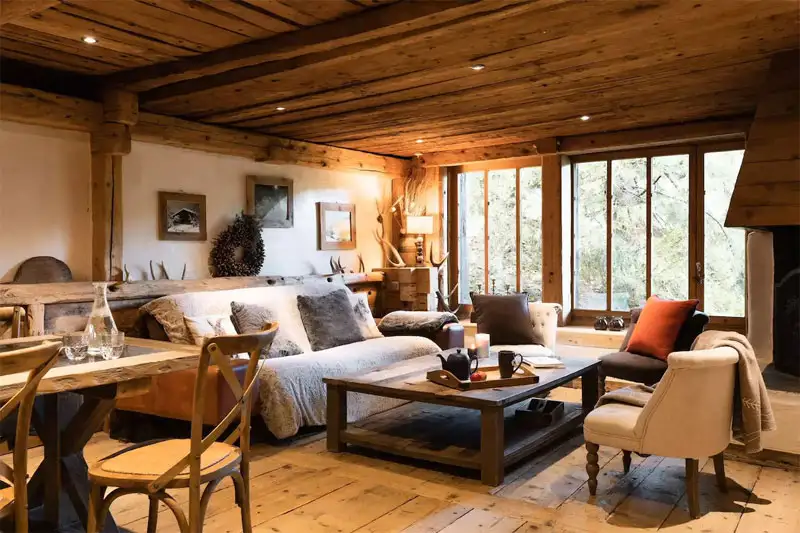
Platforms like Airbnb Luxe, Booking Premium or specialized agencies in Alpine charm stays particularly emphasize:
- traditional architecture combined with contemporary fittings,
- noble materials (old wood, natural stone, polished concrete),
- renovation with low environmental impact (BBC label, solar water heater, pellet stove…),
- and carefully crafted decoration evoking the mountain lifestyle.
Towards sustainable and ethical tourism
Energy or heritage renovation of a chalet also fits into a trend of more responsible tourism. Visitors are increasingly sensitive to accommodations with low energy consumption, certified or committed to environmental approaches (waste sorting, local products, etc.).
This constitutes a real competitive advantage on platforms where travelers can filter by ecological or ethical criteria. Moreover, it opens the door to new international clients attentive to the ecological footprint of their stays.
Profitability and heritage enhancement
Touristic enhancement of a renovated chalet allows not only a better rental profitability but also a capital gain on resale, especially in attractive municipalities such as Chamonix, Samoëns, Les Gets, or Morzine.
For example, a deeply renovated chalet, eligible for the “performant renovation” label, can see its value increase by 20 to 40% depending on location, surface area, and amenities.
The final word
Chalet renovation in Haute-Savoie is much more than a simple aesthetic choice: it is a vector of the future for Alpine villages. By preserving their soul while opening them to new tourist uses, municipalities like Sixt-Fer-à-Cheval, Abondance, or Manigod set an example. At the crossroads of cultural, economic, and ecological challenges, the renovated chalet becomes a pillar of tomorrow’s tourism.