Introduction to the Lakes of Haute-Savoie
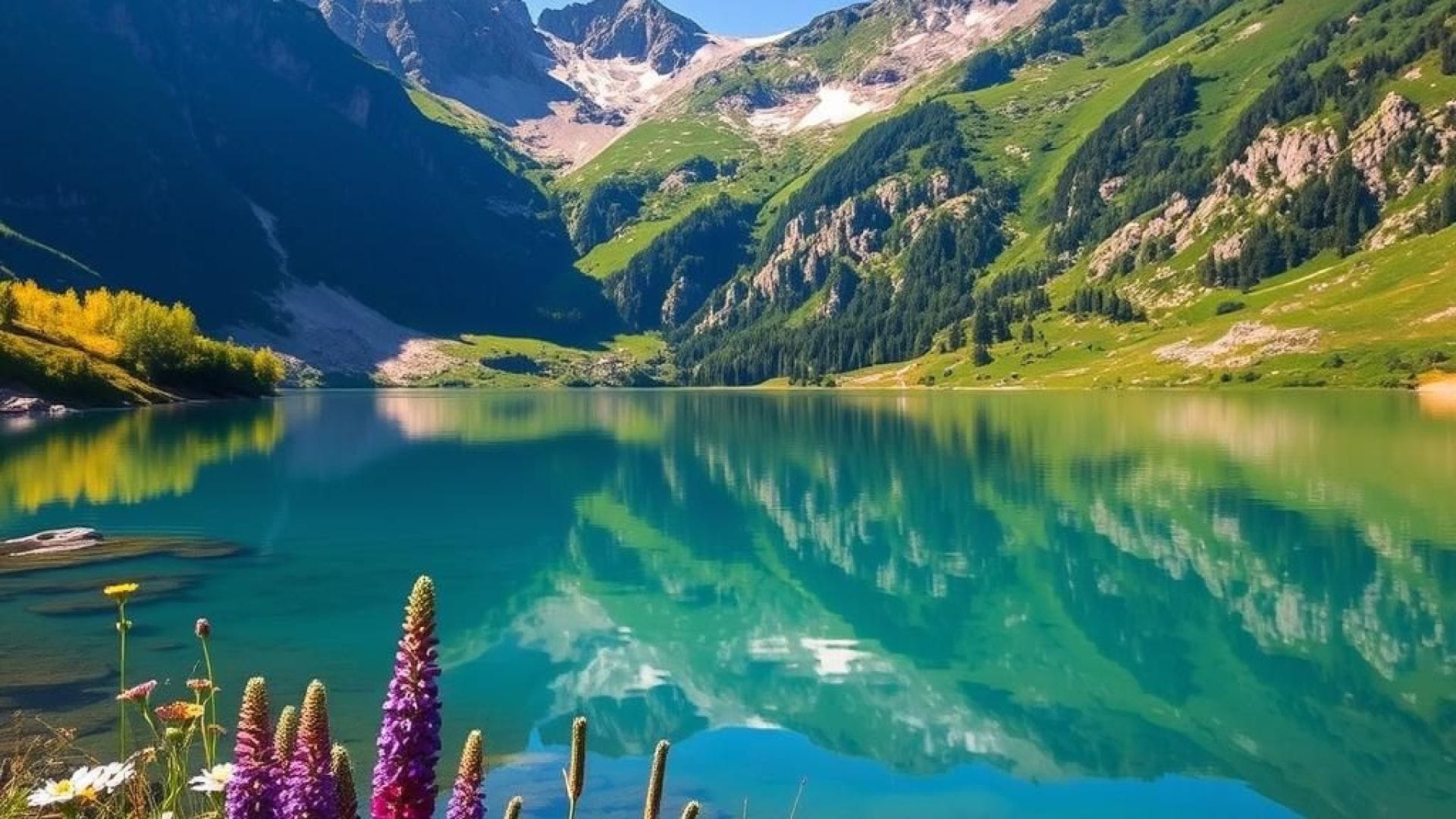
The lakes of Haute-Savoie, nestled in the heart of the French Alps, are natural jewels that attract numerous visitors each year. These bodies of water, surrounded by majestic mountains, offer breathtaking landscapes and harbor a rich and diverse biodiversity. Lakes such as Lake Annecy and Lake Léman are not only places of relaxation and leisure, but also fragile ecosystems requiring special attention.
Haute-Savoie is renowned for its high-altitude lakes, which are essential freshwater reservoirs for the region. These lakes play a crucial role in regulating the local climate and provide drinking water to many communities. However, their preservation is an ongoing challenge due to increasing environmental and human pressures.
Geography and Characteristics of the Lakes
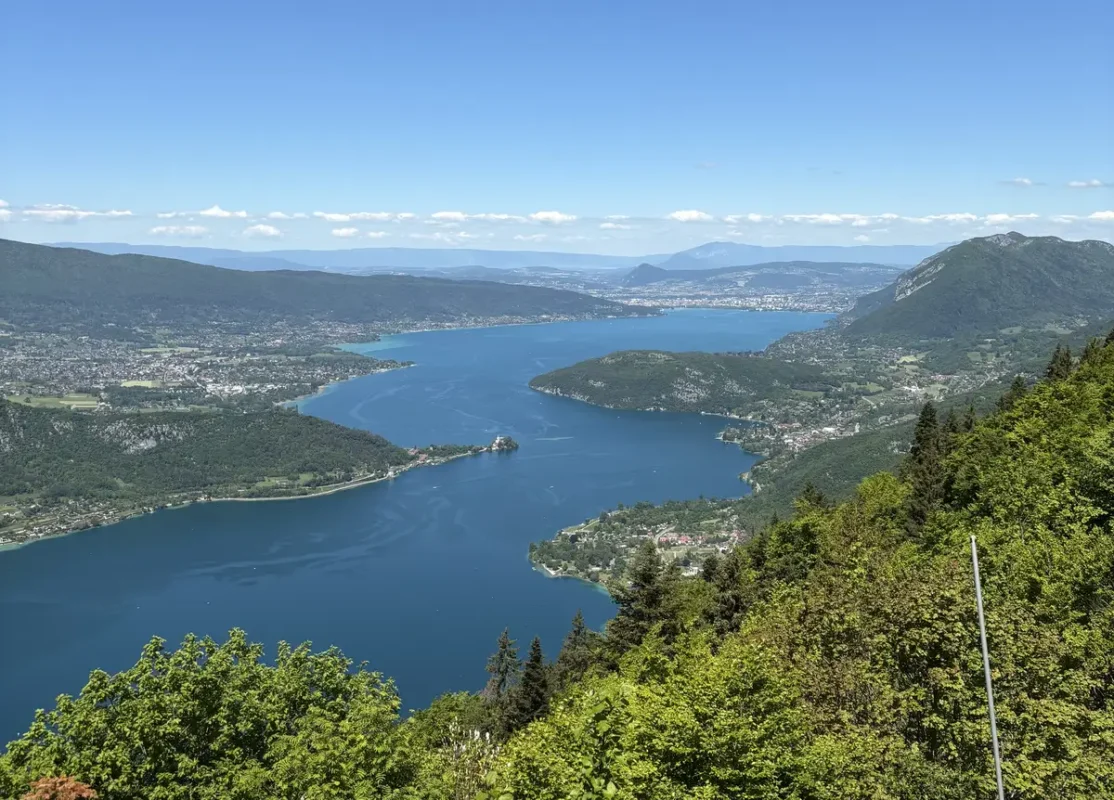
The lakes of Haute-Savoie stand out for their geographical diversity and unique characteristics. Lake Léman, for example, is one of the largest lakes in Western Europe, shared between France and Switzerland. It is known for its impressive depth and crystal-clear waters. Lake Annecy, meanwhile, is often considered the purest lake in Europe, thanks to rigorous conservation efforts.
These lakes are fed by rivers and mountain springs, which give them exceptionally pure water. They are surrounded by forests, alpine meadows, and picturesque villages, creating an idyllic setting for nature lovers. The lakes of Haute-Savoie are also habitats for many animal and plant species, some of which are endemic to the region.
Ecological Importance of the Lakes
The lakes of Haute-Savoie play a crucial ecological role as aquatic ecosystems. They serve as refuges for a multitude of species, including fish, migratory birds, and aquatic plants. These lakes are also indicators of the environmental health of the region, as they quickly respond to climatic changes and human pressures.
Moreover, the lakes contribute to regulating the water cycle and maintaining local biodiversity. They provide essential ecosystem services such as water filtration, regulation of local temperatures, and support for aquatic life. Preserving these lakes is therefore essential to ensure the ecological sustainability of the region.
History of Lake Conservation
Conservation of the lakes of Haute-Savoie has a long history, marked by concerted efforts to protect these precious natural resources. Since the beginning of the 20th century, initiatives have been implemented to reduce pollution and preserve water quality. These efforts have been reinforced by strict environmental regulations and awareness programs.
Over the decades, collaboration between local authorities, environmental organizations, and communities has enabled the implementation of effective management strategies. These efforts have led to significant improvements in water quality and protection of natural habitats. However, lake conservation remains a constant challenge in the face of new environmental threats.
Threats Facing the Lakes
Pollution and Environmental Impacts
Pollution is one of the main threats facing the lakes of Haute-Savoie. Industrial discharges, domestic wastewater, and agricultural chemicals contribute to the degradation of water quality. This pollution affects not only aquatic fauna and flora but also human health and local economic activities.
The environmental impacts of pollution are multiple, ranging from harmful algae blooms to a decline in biodiversity. Efforts for depollution and waste management are therefore essential to protect these fragile ecosystems. Initiatives such as the Veille Eau platform provide crucial information to monitor water quality evolution and raise public awareness about environmental issues.
Climate Change and Its Effects
Climate change represents another major threat to the lakes of Haute-Savoie. Rising temperatures and variations in precipitation directly affect the water level and temperature of the lakes. These changes can cause disruptions in aquatic ecosystems, affecting species reproduction and food resource availability.
The effects of climate change also manifest as an increase in the frequency and intensity of extreme weather events, such as storms and droughts. These phenomena can have devastating consequences on the lakes and their surroundings, requiring adaptation and resilience measures to mitigate their impacts.
Tourist Pressure and Urbanization
Tourist pressure and growing urbanization constitute additional challenges for the preservation of the lakes of Haute-Savoie. The influx of visitors during the summer season leads to increased pollution, water consumption, and waste production. Moreover, urban development around the lakes can cause destruction of natural habitats and fragmentation of ecosystems.
To face these challenges, it is crucial to implement sustainable tourism and urbanization management strategies. This includes promoting environmentally friendly practices, raising visitor awareness, and implementing sustainable development policies. The preservation of the lakes of Haute-Savoie depends on our ability to reconcile economic development and environmental protection.
Preservation and Management Strategies

Local and Regional Initiatives
Local and regional initiatives play a key role in the preservation of the lakes of Haute-Savoie. Ecological restoration projects, such as reforestation of the banks and creation of protected areas, contribute to the conservation of natural habitats. These initiatives are often supported by partnerships between local authorities, environmental associations, and economic stakeholders.
Moreover, monitoring and research programs are put in place to track water quality and biodiversity evolution. These efforts help identify emerging threats and implement appropriate management measures. Collaboration among the different actors is essential to ensure the success of these initiatives and guarantee the sustainability of the lakes.
Role of Public Policies
Public policies play a determining role in protecting the lakes of Haute-Savoie. Strict regulations concerning water quality, waste management, and protection of natural habitats are implemented to prevent degradation of aquatic ecosystems. These policies are often accompanied by funding programs to support conservation initiatives.
Public authorities also work on developing integrated water resource management plans, which consider the needs of different users while preserving the environment. These plans aim to promote sustainable use of water resources and strengthen ecosystem resilience in the face of climate change.
Environmental Awareness and Education
Environmental awareness and education are essential tools for the preservation of the lakes of Haute-Savoie. Communication campaigns and educational programs are implemented to inform the public about the importance of the lakes and the threats they face. These initiatives aim to encourage responsible behaviors and promote a culture of sustainability.
Schools, associations, and leisure centers play a crucial role in educating young generations. Educational activities, such as guided tours and practical workshops, enable children to discover the natural riches of the lakes and understand the importance of their preservation. By raising public awareness, we can contribute to protecting the lakes for future generations.