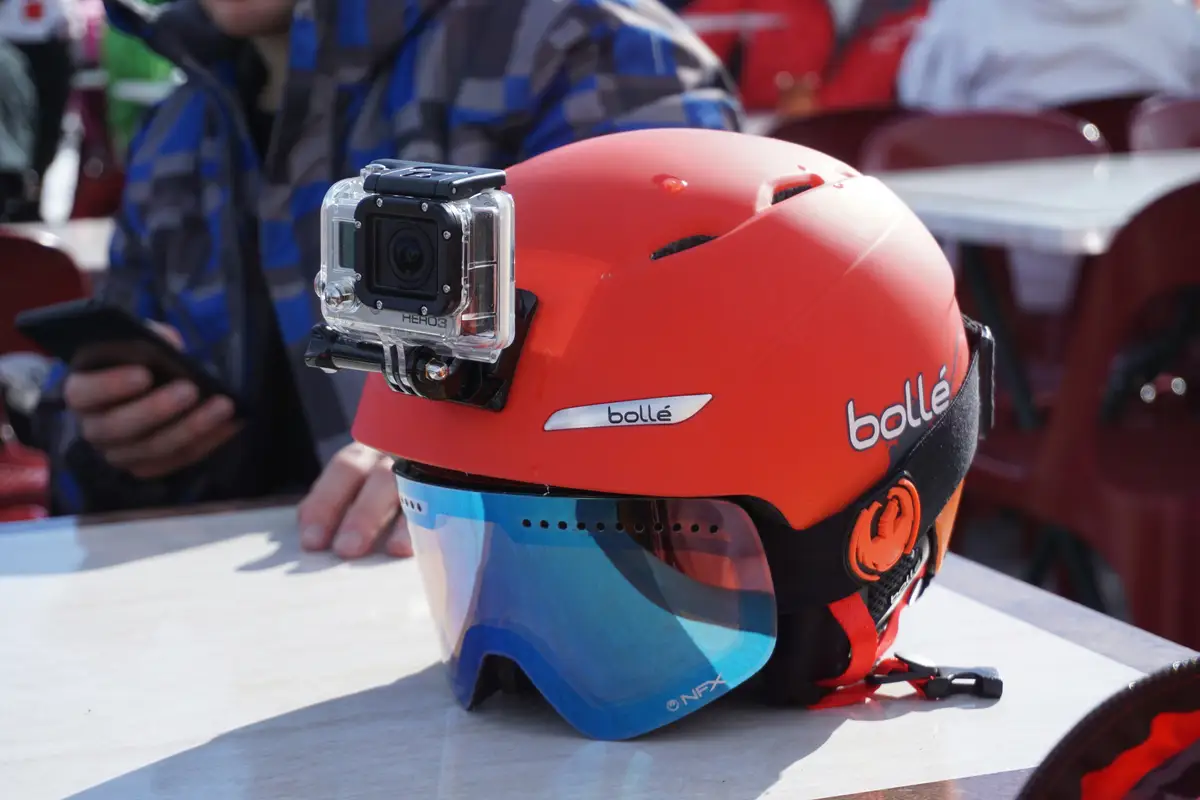
On snowy slopes, ski helmets are becoming more and more common. Once reserved for competitors or cautious skiers, they have now become an almost essential accessory. And for good reason: helmets save lives.
Why skiing with a helmet has become essential
Every winter, rescue services at French ski resorts respond to hundreds of sliding accidents. The head being one of the most vulnerable areas during a fall, wearing a helmet significantly reduces the severity of head injuries.
Light, well-ventilated, sometimes equipped with headphones or an integrated visor, the modern helmet is no longer restrictive. It effectively protects without hindering the enjoyment of skiing. Parents have understood this well: more and more children wear them spontaneously, imitating the champions they see on television.
In Italy, the helmet is already mandatory
Since 2022, Italy took a decisive step: wearing a helmet became mandatory for all skiers and snowboarders under 18. This measure, adopted after several serious accidents, applies in all Italian resorts. In case of non-compliance, offenders face a fine that can go up to 150 euros.
This regulation made Italy one of the strictest European countries regarding safety on the slopes, joining Austria and Croatia, which also require helmets for minors.
Since November 1, 2025, wearing a helmet is now mandatory for all skiers and snowboarders in Italy, regardless of their age. This even concerns all sliding disciplines practiced on marked slopes: alpine skiing, snowboarding, telemark skiing, or sledding.
And in France? A future obligation?
In France, no national law currently requires wearing a ski helmet, neither for adults nor for children. Authorities rather focus on prevention and awareness. Many resorts carry out safety campaigns encouraging skiers to equip themselves, and some ski schools require helmets for the youngest during group lessons.
However, the debate resurfaces every year, especially after high-profile accidents. Several voices—doctors, instructors, mountain associations—advocate for a requirement similar to Italy’s, at least for children and teenagers. For now, no legislation is under consideration, but the trend is clear: behaviors are evolving. More than 80% of French skiers already wear helmets, according to France Montagnes. In other words, the habit is establishing itself naturally.
Towards an implicit obligation?
Even without legal constraint, social pressure and official recommendations make wearing a helmet almost indispensable. Brands have made it an argument of comfort and style, while parents no longer imagine letting their children go down a slope without protection.
In short, ski helmets are not yet mandatory in France, but they are strongly recommended – and could well become so in the medium term if regulations follow evolving practices.
Meanwhile, it’s better to consider it not as a constraint, but as a discreet insurance to fully enjoy the mountains… safely.
In summary:
- Mandatory in Italy for everyone, minors and adults, since November 1, 2025
- Recommended but not mandatory in France
- Greatly reduces the risk of head trauma
- Worn today by the majority of skiers
Also to read: