
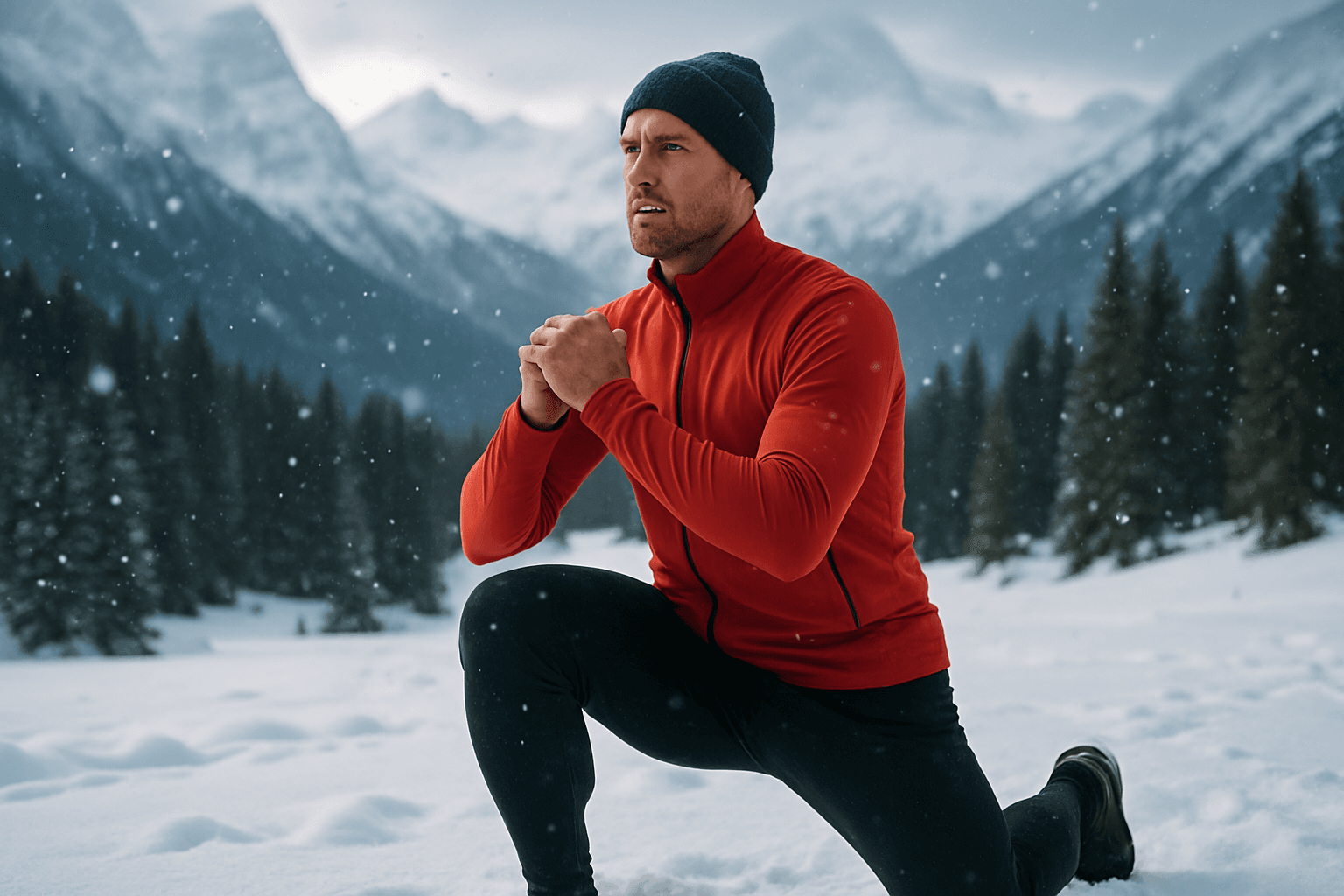
Whether you are a beginner or an experienced skier, a good physical preparation is essential to fully enjoy your mountain vacation. Not only does it improve your performance on the slopes, but it also significantly reduces the risk of injury. Here is a complete guide to effectively prepare yourself before your next winter sports trip.
Why prepare physically before winter sports?
Winter sports intensely challenge your body, especially your legs and cardiovascular system. A full day on the slopes can be exhausting, especially at altitude and in cold weather. Good physical condition will allow you to:
- Significantly reduce the risk of injuries
- Fully enjoy your ski days without excessive fatigue
- Progress faster in your technique
- Recover more effectively between active days
When to start your preparation?
Ideally, you should start your physical preparation 6 to 8 weeks before your departure. If the season is approaching quickly, don’t get discouraged! Even 4 weeks of regular training can make a noticeable difference. Remember that “a little” is always better than “nothing at all”.
The three pillars of good preparation

1. Cardiovascular endurance
Altitude and cold put extra demand on your cardiovascular system. Good cardio will allow you to last all day without exhaustion.
Recommended activities:
- Running (30 minutes, 2 to 3 times per week)
- Cycling or stationary bike
- Swimming
- Rollerblading (great for simulating ski movements)
- Cardio fitness classes (zumba, cycling, HIIT)
2. Muscular strengthening
Skiing and snowboarding particularly engage the lower limbs and require good core stability.
Muscle groups to target:
- Quadriceps (front of the thighs)
- Hamstrings (back of the thighs)
- Glutes
- Adductors
- Abdominal and lumbar muscles
3. Flexibility and proprioception
Joint flexibility (ankles, knees, hips) and good balance are essential to prevent falls and improve your technique.
Specific exercise program (10 minutes per day)
Here are 6 fundamental exercises to practice regularly to prepare your body for winter sports:
1. Squats
Standing, feet shoulder-width apart, lower yourself as if to sit on an invisible chair, keeping your back straight and knees aligned with your feet. Rise back up by contracting your glutes.
Dosage: 3 sets of 15 repetitions
2. Wall sit
Back against a wall, lower yourself until your legs form a 90° angle. Hold the position while contracting your abdominal muscles.
Dosage: 4 sets of 30 seconds, gradually increasing up to 1 minute
3. Alternating forward lunges
Standing, step forward with one leg and bend your knees to form a right angle, ensuring the back knee does not touch the ground. Return to the starting position and alternate.
Dosage: 2 sets of 12 repetitions for each leg
4. Speed skater
Jump laterally from one foot to the other, maintaining a brief balance on each leg upon landing. This movement replicates the weight transfers in skiing.
Dosage: 2 sets of 15 repetitions for each leg
5. Side lunges
Standing, spread one leg to the side while bending the knee, keep the other leg straight. Hold for a few seconds then return to the starting position.
Dosage: 2 sets of 12 repetitions for each leg
6. Plank
In a forearm plank position, keep your body perfectly aligned while contracting your abdominal muscles.
Dosage: 3 sets of 30 seconds, gradually increasing the duration
Recommended complementary sports
Rollerblading
This activity is the closest to ski movements. It engages the same muscle groups while developing balance and cardiovascular fitness. Moreover, it is a fun activity you can do with family.
Pilates
This method strengthens deep muscles, improves posture, and develops balance. Pilates core exercises are particularly beneficial for preventing back injuries, which are common in skiing.
Fitness
Group classes like step, zumba, or cycling are excellent for developing your cardiovascular endurance, essential to last a whole day at altitude.
Tips for your time on the slopes
- Warm up before each ski day (5-10 minutes)
- Hydrate regularly, even if you don’t feel thirsty (mountain air quickly dehydrates)
- Adapt your practice to your level and physical condition
- Start gradually: don’t launch into difficult slopes on the first day
- Stretch after each day to facilitate recovery
Specific preparation depending on your level
For beginners
Focus on strengthening deep and lumbar muscles to better manage falls that are part of learning. Also work on your balance with proprioception exercises.
For intermediate skiers
Good physical preparation will help you overcome a technical plateau by giving you more control and confidence. Emphasize leg strengthening and endurance training.
For advanced skiers
To fully enjoy powder snow and difficult slopes, opt for a comprehensive program combining endurance, strength, and flexibility. Your physical condition will allow you to chain runs without excessive fatigue.
To conclude
Physical preparation is not reserved for elite athletes. A few weeks of regular exercises before your winter sports trip will make a considerable difference in your enjoyment on the slopes and will significantly reduce the risk of injuries.
Don’t wait until the last moment! As of November 12, 2025, there is still time to prepare for the upcoming winter season. Start your preparation today and you will fully enjoy your next mountain vacation.