
How to eat well for a day of skiing?
Alpine skiing requires a lot of vigilance and concentration. During your stay, you will accumulate skiing sessions over several days. In addition to physical activity, altitude increases energy needs. The dry mountain air also causes dehydration. This amplifies the accumulation of waste released during certain efforts, such as the schuss, for example. All these reasons mean that you need to make sure to drink regularly and provide the energy your body needs.
In the mountains, it is important to adapt to the climate and altitude, but you must also adopt a balanced diet, along with physical preparation suited to skiing, especially when practicing such a sport.
For this, we recommend that you:
- CONSUME a good portion of starches if you ski for several hours in a row. Starches should be the basis of your diet.
- MAINTAIN a normal protein intake (150 g of poultry, dried vegetables, potatoes) with 4 dairy servings a day, especially if you are not a great athlete.
- SELECT fat intake: favor olive and rapeseed oils (at least two tablespoons per day), and oilseeds, to maintain your cartilage and keep your immune defenses strong. Contrary to popular belief, oil is not bad for health, quite the opposite. But on the condition of choosing the right ones, and always without excess.
BEFORE EXERCISE:
If there is one very important meal in your day, it is indeed breakfast. It must be hearty but balanced. It must provide the energy needed to last all day: at least ¼ of the daily calories.
Typical breakfast:
- A fruit or fruit juice, preferably fresh.
- Cereals: bread, rusks, gingerbread, cereal bars.
- A sweet product: honey or compote or jam.
- A dairy product.
- A source of protein (egg, bacon, ham).
DURING EXERCISE:
To perform well all day, it is necessary to eat regularly in small amounts, so do not hesitate to have an energy drink with you as well as some dietary or energy bars; you will have plenty of time to enjoy them on the ski lifts.
LUNCH:
As much as possible, avoid the usual sausage/fries or equivalent offered by all mountain snacks. Prefer a light meal to stay in good shape in the afternoon. A meal that is too heavy will require a lot of effort for digestion and you will have less energy to devote to skiing.
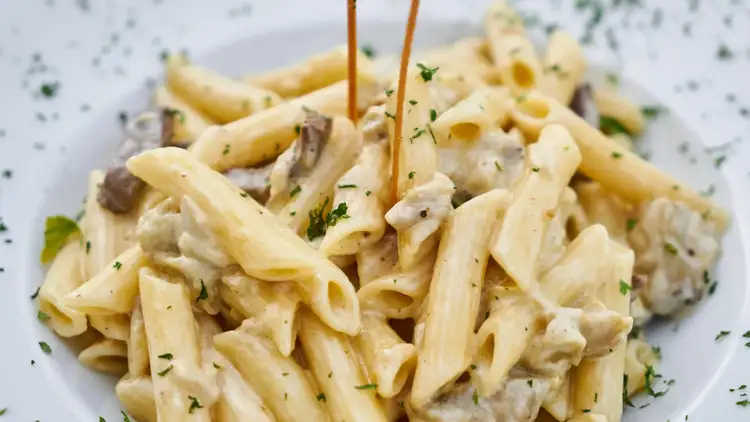
A composed salad or a soup, rice or pasta, as well as a dairy product and a dessert will make an ideal meal for a full afternoon of skiing in great shape.
AFTER EXERCISE:
It is necessary to replenish your energy and water reserves, as your body loses a lot of water during exercise.
- It is highly recommended to drink sparkling water (bicarbonate) or normally mineralized water to facilitate elimination.
- Favor a diet rich in carbohydrate foods (energy bars, dietary biscuits, etc.).
A typical supper to aid recovery:
- Starches (rice, pasta, semolina, etc.). If these were not the base of the lunchtime meal, increase the quantity.
- Raw vegetables, soup or salad, with a small amount of fat.
- A protein: ham, egg, poultry, fish.
- A sweet product: compote or sorbet or a piece of tart.