
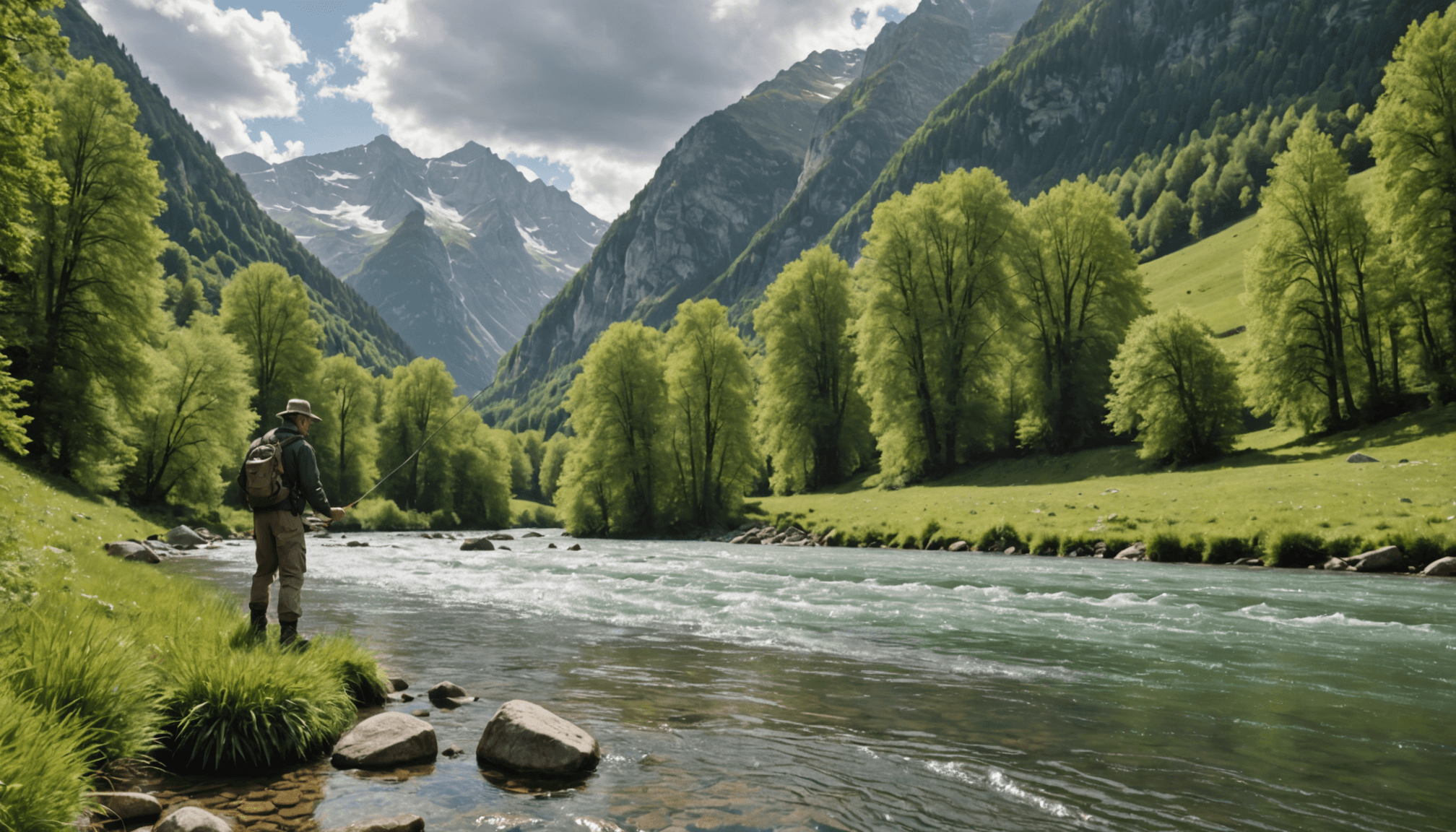
In Haute-Savoie, the arrival of spring also marks the return of trout fishing season, a popular activity that attracts both amateurs and enthusiasts. This mountainous territory, rich in rivers, streams, and lakes, offers an exceptional setting for fishing, where nature often remains preserved. Between the breathtaking landscapes of the Lake Annecy and the swift waters of the Rhône or small Alpine tributaries, every angler can find a suitable spot to tempt the trout.
However, a successful outing requires good knowledge of the regulations in force, suitable equipment, and techniques adapted to local conditions. From managing opening periods to tips for locating fish, this guide offers essential elements to optimize your trips and fully enjoy the fishing resources of the region.
Opening period for trout fishing in Haute-Savoie: a calendar to respect
Trout fishing in Haute-Savoie is regulated by specific dates that may vary depending on the water category and targeted species. In general, the season for first-category waters, where notably brown trout and brook trout are found, starts on March 14 and extends until October 11. This period corresponds to when the fish are most active outside of spawning, which increases the chances of catch while respecting their life cycle.
Rivers, streams and Alpine tributaries alternate their specificities: some mountain lakes, such as Mines d’Or or Lac Vert, open fishing from April 4 to October 11, while other bodies of water, such as Lake Annecy, have a slightly longer calendar, with an opening as early as January 31 and closing on October 18. Second-category waters, often calmer and wider, sometimes propose different durations, such as for rainbow trout which can be fished from January 1 to December 31 in certain selected lakes and rivers.
It is crucial to take into account local variations that exist. For example, fishing in the Illettes Lake in Sallanches, classified as second category, is authorized during two periods of the year: from January 1 to June 30, then from September 1 to December 31, which can confuse novices. Likewise, some border areas with Switzerland limit or prohibit fishing of certain species to preserve ecological balance.
Thus, before each outing, consulting the local regulations is essential. Prefectural decrees, available online or from fishing federations, specify precisely the opening dates, authorized species, and protected zones. Respecting these rules ensures both the sustainability of fish populations and the quality of the natural environment.
| Type of watercourse | Main species | Opening period |
|---|---|---|
| 1st category waters (rivers and streams) | Brown trout, Brook trout, Grayling | March 14 – October 11 (with variations) |
| 2nd category waters (calm lakes and rivers) | Rainbow trout, Pike, Zander | January 1 – December 31 for some lakes |
| Mountain lakes (e.g. Mines d’Or, Vert) | Lake trout, Arctic char | April 4 – October 11 |
To read: Opening dates 2026 on the Haute-Savoie fishing federation website
This variety of ecosystems and calendars requires careful preparation to make the most of the favorable periods and act in respect of the environment.
Recommended equipment for trout fishing in Haute-Savoie: gear and their use
For effective and enjoyable practice, choosing equipment adapted to fishing in Haute-Savoie is essential. The selection will obviously depend on the locations – fast river or calm lake – but also on the techniques planned.
The fishing rod is the first element to consider. In rivers, a light or medium rod between 2 and 3 meters long will be ideal for precise casting and delicate fishing, especially with the toc technique or using live baiting with minnows. For the lake, a slightly more robust rod may be preferable, especially if you target large trout or use heavier lures.
The matching reel must offer a progressive drag to avoid breaking the line during fights with vigorous fish. As for the line, a nylon or fluorocarbon of small diameter (between 14 and 18/100) ensures discretion and strength. Fluorocarbon has the advantage of being less visible in the clear mountain water.
Regarding baits, trout fishing in Haute-Savoie often favors:
- Earthworms, natural and very attractive, especially in rivers.
- Artificial flies for fly-fishing enthusiasts.
- Small forage fish (minnows) for live bait fishing or manipulated minnow fishing.
- Soft lures and spoons, very effective in lakes and large rivers.
The choice of hook should be consistent with the size of the bait and the expected size of the trout. Simple hooks in sizes 12 to 16 generally work well. Some anglers prefer to use barbless hooks to facilitate the release of catches.
Among useful accessories, there are:
- A fine-mesh landing net to avoid damaging the fish.
- A strong and flexible leader to limit breakages.
- A well-organized fly box or lure box to vary techniques depending on conditions.
- Fine pliers for quick and easy hook removal.
Depending on experience, some also prefer to equip their rod with a strike detector, especially on lakes, to increase their success. For trout fishing in cold and often clear waters, the gear must be chosen with care: a good balance between lightness and robustness promotes comfort and success.
Trout fishing techniques suited to Haute-Savoie waters: practical advice and observations

Several methods are commonly used to fish trout in the varied environments of Haute-Savoie, each adapted to the specific conditions you will encounter.
Main techniques to master
Toc fishing is particularly effective in mountain rivers. It consists of naturally drifting a bait (worm, small fish) in the current, controlling the line tension to detect the bite. This technique requires a lot of attention and good reading of currents to position the bait near trout hiding spots.
Fishing with a manipulated minnow uses a small lively fish attached to a special rig. It is ideal in lakes or deep rivers where trout actively hunt. Casting and retrieving imitates a wounded small fish, attracting trout during natural lure periods.
Fly fishing remains one of the noblest techniques, very popular in Haute-Savoie. It requires learning to master casting, delicate presentation of the artificial fly, and understanding trout behavior.
Choosing the right times and conditions
Trout are more active during cool hours, usually early in the morning and late afternoon. On overcast or slightly rainy days, they come out more to feed, which increases catch chances. High heat and intense sun tend to make them more wary and push them towards depths or shaded areas.
Understanding the environment and trout behavior
Observing currents is fundamental: trout often prefer areas where the current slows down, near rocks or in pools. They also position themselves downstream of obstacles to hunt efficiently without spending too much energy. Food upwellings, the presence of insects or small fish are valuable clues for choosing the best spot.
Adopting a discreet approach, avoiding shadows or sudden noises on the water, greatly improves results. A careful angler enjoys not only a better experience but also helps preserve the fragile balance of these environments.
To enrich your experience in Haute-Savoie, the natural and cultural heritage also offers many attractions. Do not hesitate to discover the lakes of Haute-Savoie and their specificities, or visit some emblematic villages around Lake Geneva, as described in this charming medieval village by the lake, to complement your fishing outings with a dose of history and scenic beauty.
{“@context”:”https://schema.org”,”@type”:”FAQPage”,”mainEntity”:[{“@type”:”Question”,”name”:”When to open trout fishing in Haute-Savoie?”,”acceptedAnswer”:{“@type”:”Answer”,”text”:”The official opening period varies according to zones, but generally it starts around March 14 in first category waters and can extend until October 11. Some lakes and rivers have different calendars, so it is advisable to check the local regulations before each outing.”}},{“@type”:”Question”,”name”:”What equipment to favor for mountain trout fishing?”,”acceptedAnswer”:{“@type”:”Answer”,”text”:”A light rod of 2 to 3 meters for rivers, a reel with progressive drag, and a nylon or fluorocarbon line of small diameter are recommended. The use of earthworms, artificial flies or manipulated minnows will depend on conditions and locations.”}},{“@type”:”Question”,”name”:”What are the best trout fishing techniques in Haute-Savoie?”,”acceptedAnswer”:{“@type”:”Answer”,”text”:”Toc and manipulated minnow fishing are very effective in rivers and lakes respectively. Fly fishing remains a noble method requiring technique and patience, particularly adapted to clear and cold mountain waters.”}},{“@type”:”Question”,”name”:”How to respect the environment during fishing trips?”,”acceptedAnswer”:{“@type”:”Answer”,”text”:”It is essential to adopt a responsible approach: respect closure periods, practice the release of fragile fish, leave no waste, and observe local regulations to help preserve Haute-Savoie’s aquatic richness.”}}]}When to open trout fishing in Haute-Savoie?
The official opening period varies according to zones, but generally it starts around March 14 in first category waters and can extend until October 11. Some lakes and rivers have different calendars, so it is advisable to check the local regulations before each outing.
What equipment to favor for mountain trout fishing?
A light rod of 2 to 3 meters for rivers, a reel with progressive drag, and a nylon or fluorocarbon line of small diameter are recommended. The use of earthworms, artificial flies or manipulated minnows will depend on conditions and locations.
What are the best trout fishing techniques in Haute-Savoie?
Toc and manipulated minnow fishing are very effective in rivers and lakes respectively. Fly fishing remains a noble method requiring technique and patience, particularly adapted to clear and cold mountain waters.
How to respect the environment during fishing trips?
It is essential to adopt a responsible approach: respect closure periods, practice the release of fragile fish, leave no waste, and observe local regulations to help preserve Haute-Savoie’s aquatic richness.