
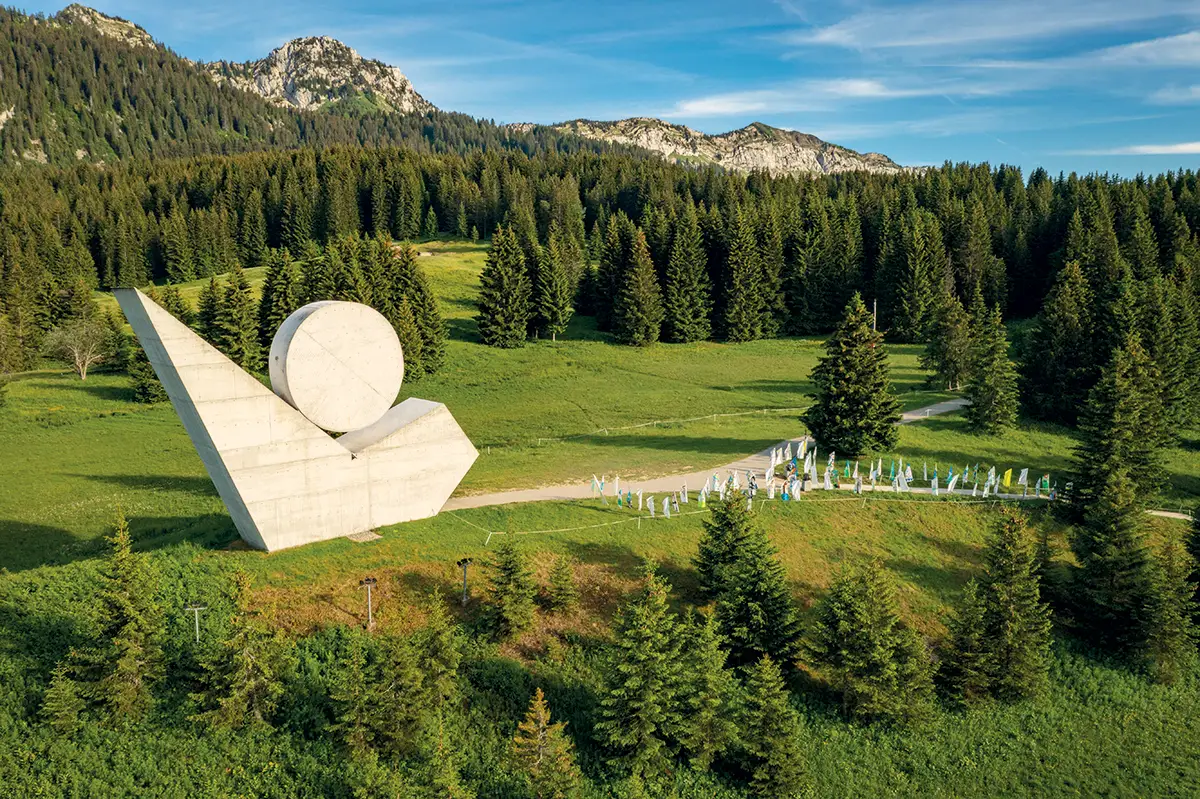
At the heart of Haute-Savoie, the Plateau des Glières today attracts hikers for its alpine pastures and magnificent panoramas. Yet, behind this postcard-perfect setting lies a tragic chapter of French history that everyone should know.
A natural setting of striking beauty
Located at nearly 1,450 meters of altitude, between the Bornes massif and that of the Aravis, the Plateau des Glières is a natural site that captivates with its tranquility. In summer, the vast pastures open onto a horizon of Alpine peaks. In winter, a thick layer of snow covers the area, attracting Nordic skiers and snowshoe enthusiasts.
The charm of the plateau lies in its isolation. Accessible by a winding mountain road, it offers visitors a timeless atmosphere, far from the bustle of the valleys. But this apparent calm must not overshadow the weight of history that inhabits every corner.
A major site of the Resistance
In 1944, the Plateau des Glières became a nerve center of the French Resistance. Hundreds of maquisards gathered there to receive Allied arms parachute drops and prepare actions against the Nazi occupier. Their courage, despite extremely harsh living conditions, has left a lasting memory.
In March of that same year, the plateau was surrounded by German and Vichy troops. The fighting was intense and cost the lives of many resistants. This peaceful landscape then became the scene of a tragedy, that of men and women who chose to fight for freedom, at the price of their existence.
The Glières Memorial
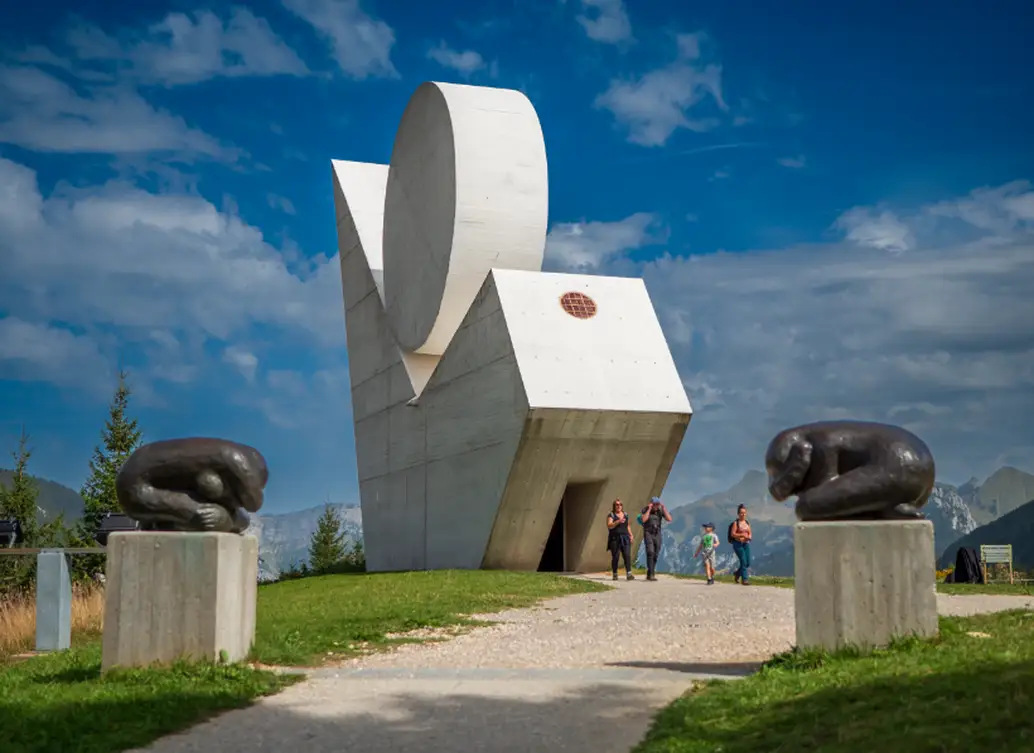
To not forget, a large monument was erected in 1973 on the plateau. The work of the artist Émile Gilioli, this massive and white abstract sculpture soars towards the sky as a symbol of hope and resistance. It reminds visitors that this place is not only a recreational area but also a sanctuary of memory.
A hike between nature and memory

Visiting the Plateau des Glières means walking through splendid landscapes while following in the footsteps of the resistants. Numerous marked trails allow you to discover the alpine pastures, forests, and panoramas of Mont Blanc. But each walk takes on a different dimension when you know what was played out here.
- A historical route allows you to follow the traces of the maquis and understand the events of 1944.
- Educational panels line the paths and explain the organization of the resistants.
- In summer, guided tours provide an emotional insight into the daily life of the maquisards.
Personal impression of the author
During my last visit, I chose to set out early in the morning. The plateau was still wrapped in a light mist, and silence reigned almost absolute. Approaching the memorial, I felt a deep emotion, as if time had stopped. This contrast between the serenity of the landscape and the gravity of its history moved me. Walking these paths means accepting to confront memory but also to appreciate the value of the freedom we enjoy today. Visiting this plateau in autumn is also enchanting, with the golden colors of the surrounding forests.
A place not to be forgotten
The Plateau des Glières is not just a destination for nature lovers. It is a site that combines beauty and memory, inviting everyone to reflect on the price of freedom. In this majestic setting, the tragic history of 1944 still resonates. Coming here means not only enjoying a unique environment but also paying tribute to those who fought so that we can walk today in peace.